
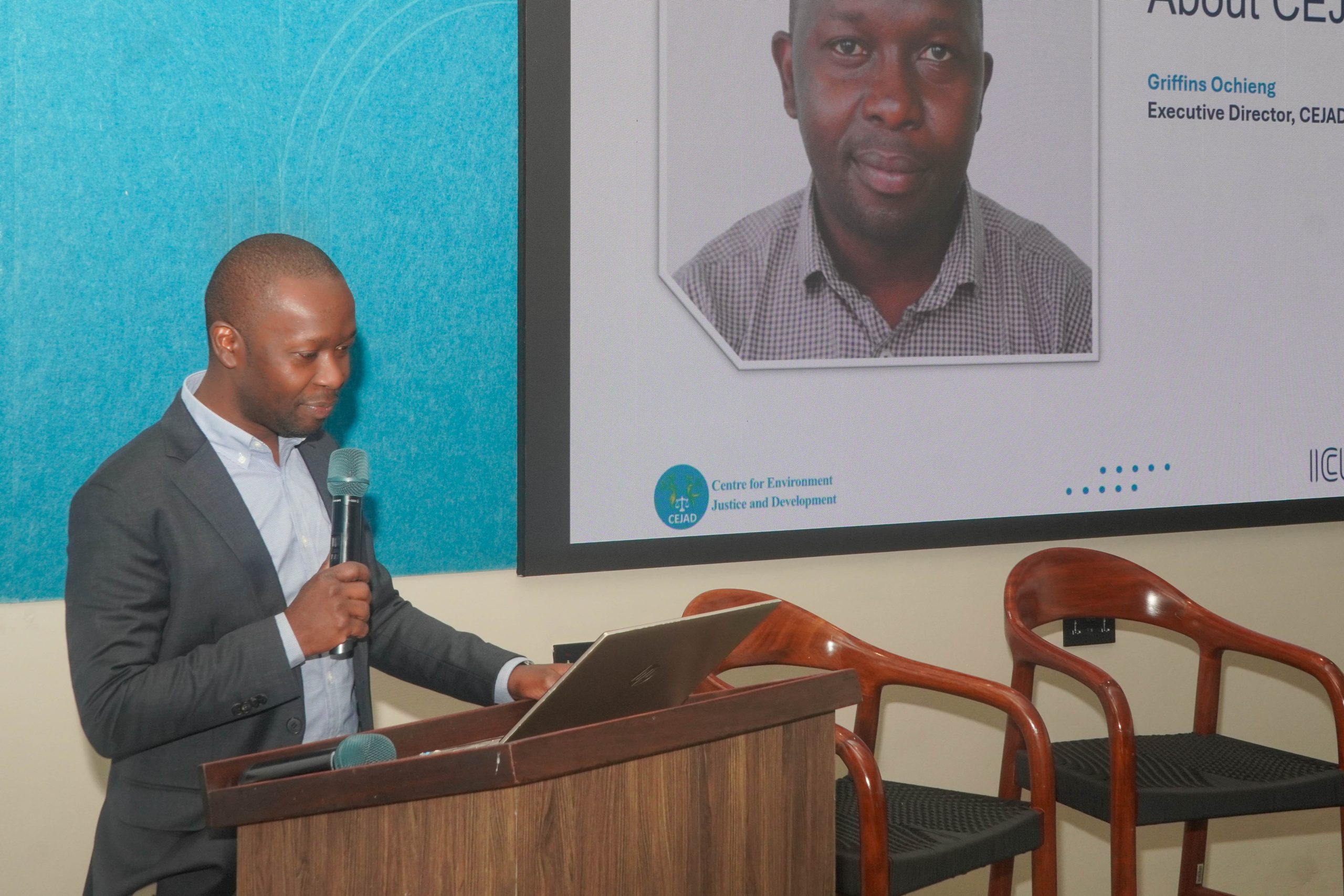
CEJAD Executive Director Griffins Ochieng speaking during the high-level conference
By Peace Muthoka
Nairobi, May 7, 2026 — The Centre for Environment Justice and Development in partnership with the Swedish International Centre for Local Democracy and the Embassy of Sweden in Kenya, has led a renewed push to transform Kenya’s waste sector by placing waste pickers at the heart of policy and practice during a three-day high-level conference held in Nairobi from May 4 to 6.
The conference, themed Sustainable Solid Waste Governance and Local Democracy Systems, brought together government officials, county representatives, civil society, and international partners to chart a path toward inclusive, accountable, and sustainable waste management systems.
The forum focused on tackling plastic pollution, strengthening Extended Producer Responsibility (EPR), and enhancing the role of counties in delivering effective waste services.
As Kenya faces rapid urbanization and rising waste volumes, pressure continues to mount on county governments tasked with managing waste. Yet, even as systems strain, thousands of waste pickers quietly sustain recycling efforts across the country, often without recognition or support.
Molu Wato, Director of Waste Management and Pollution Control who opened the conference on behalf of the Principal Secretary for Environment, Festus Ng’eno,emphasized the urgency of the moment, noting that waste, particularly plastic pollution, is no longer just an environmental concern.
“Plastic pollution is a public health issue, an economic challenge, and a governance concern,” he said. “This calls for a shift towards a circular economy where waste is minimized and materials are reused.”
He stressed that while Kenya has made progress through policies such as the Sustainable Waste Management Act and EPR regulations, real impact will depend on implementation, especially at the county level where waste management is a devolved function.
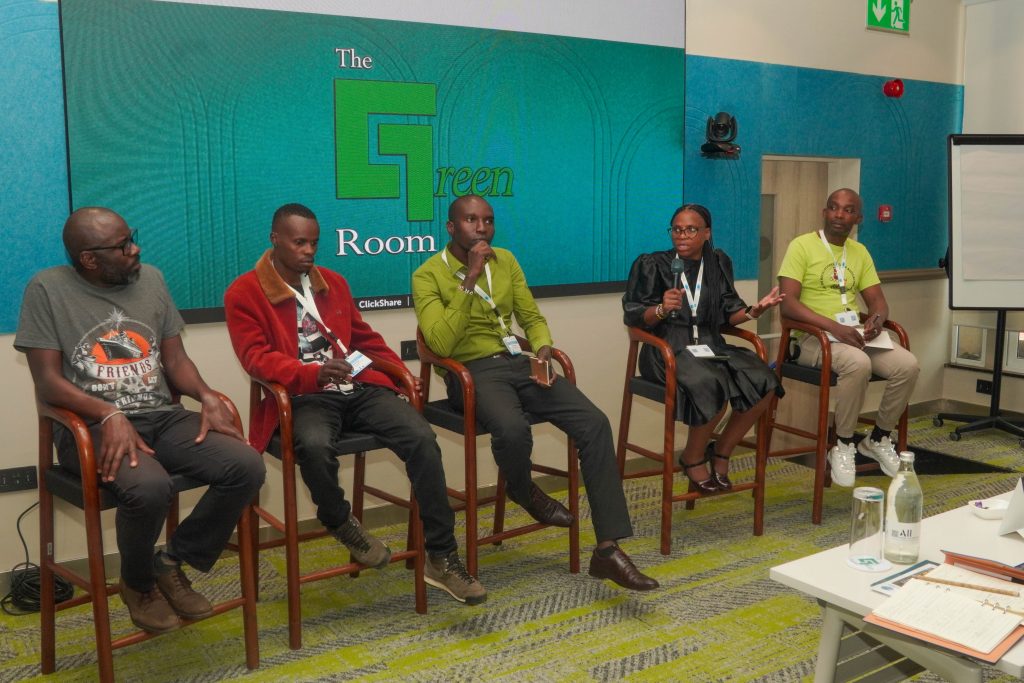
The conference repeatedly returned to one central theme: inclusion. Speakers highlighted that waste pickers are not peripheral actors but essential players in Kenya’s waste ecosystem.
“Across Kenya, waste pickers contribute significantly to recycling and environmental protection, yet they remain excluded from formal systems,” he said. “We must ensure a just transition that recognizes their role and secures their livelihoods.”
For CEJAD Executive Director Griffins Ochieng, the gathering marked a critical step toward bridging the gap between policy and practice.
“We have spent three days discussing how to promote waste picker integration within county systems,” he said. “Counties now better understand their obligations under national laws and the EPR framework, as well as the role each stakeholder must play.”
He added that the conference helped demystify how EPR shifts responsibility from consumers to producers, ensuring that companies take accountability for the lifecycle of their products.
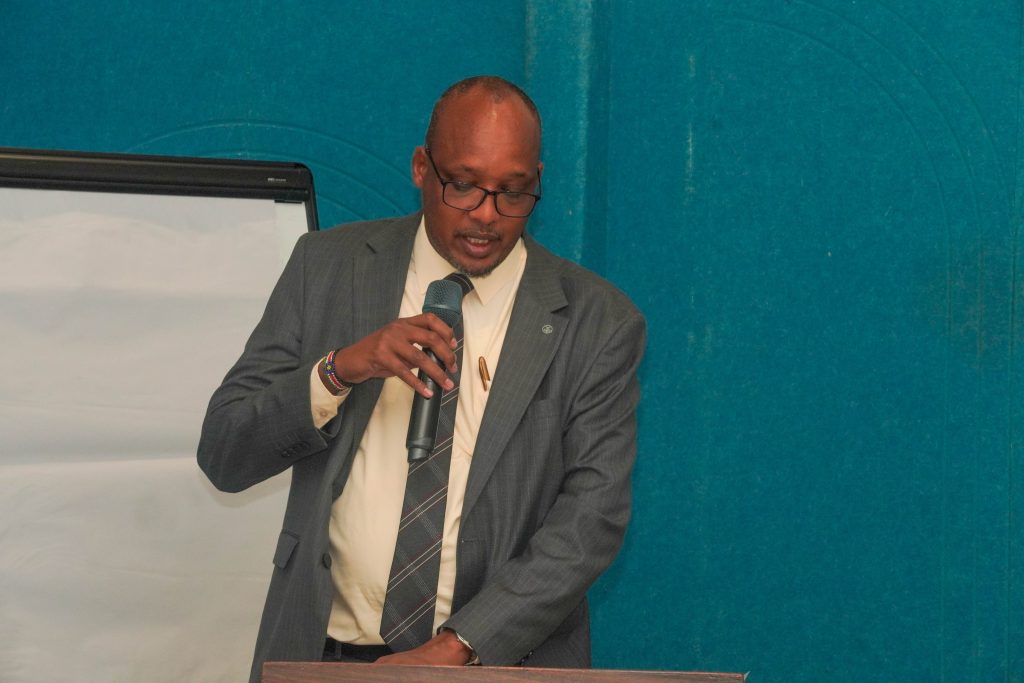
Beyond policy discussions, the forum also showcased practical solutions. Participants explored innovations such as waste segregation at source, zero-waste models, and organic waste conversion using technologies like black soldier fly farming.
At the grassroots level, waste pickers shared real challenges and opportunities. Gisora Nyambuti-Brang, who represents over 48,000 members, said the conference opened new doors for engagement with county governments.
“This was a great opportunity to sit with county officials and identify where policies are not aligning with realities on the ground,” he said. “We are now more confident about engaging them and ensuring waste pickers are part of the system.”
He noted that many waste pickers struggle with formal requirements such as tax registration and digital invoicing, which limits their ability to benefit from EPR payments.
“It is time we help our members formalize so they can be paid directly and fairly,” he added.
International partners also underscored the importance of collaboration. Maria Jose Zapata said the conference aimed to strengthen knowledge and partnerships between counties and global actors.
“Sustainable waste management is not just technical; it is about local democracy,” she said. “When communities are included in decision-making, systems become more responsive and resilient.”
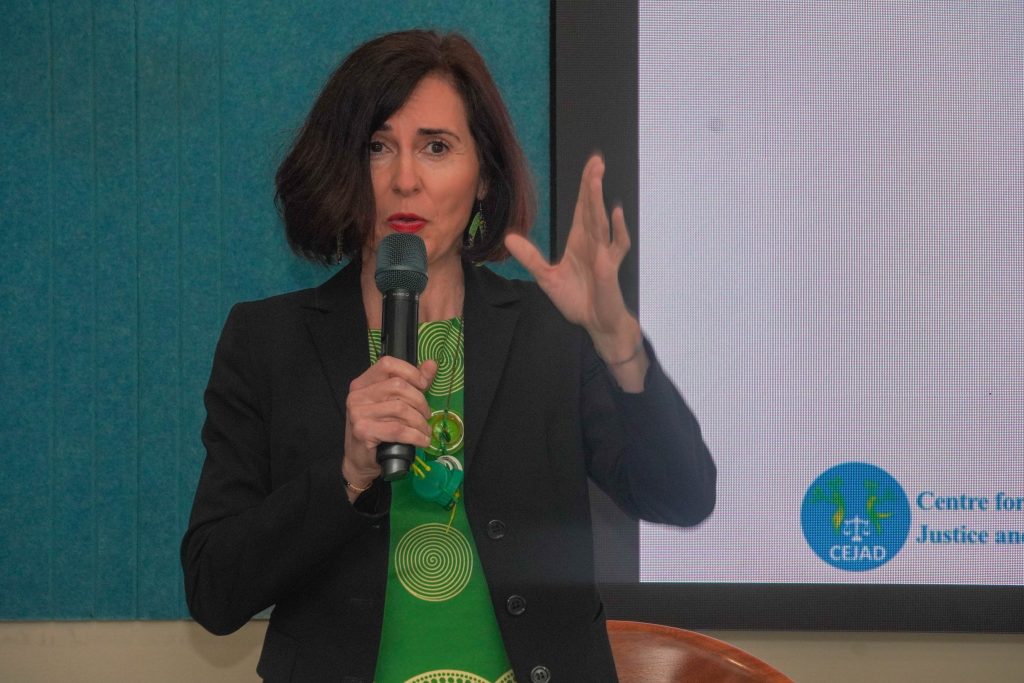
She added that waste pickers are central to the entire system. “If they stopped working, cities would struggle to function. Yet they are still not fully integrated into formal frameworks.”
The conference further highlighted the need for stronger collaboration between national and county governments, private sector players, civil society, and research institutions.
Participants called for the full implementation of EPR to ensure producers take responsibility for the waste they generate, alongside increased investment in public awareness and education.
They also emphasized the importance of participatory platforms such as community dialogue forums, which allow citizens and grassroots actors to co-create solutions.
More importantly, stakeholders agreed that no system can succeed if it leaves behind those already doing the work.
With renewed commitment and shared responsibility, CEJAD and its partners now hope the momentum generated will translate into real change on the ground—where waste pickers are no longer invisible, but recognized as key drivers of Kenya’s circular economy.