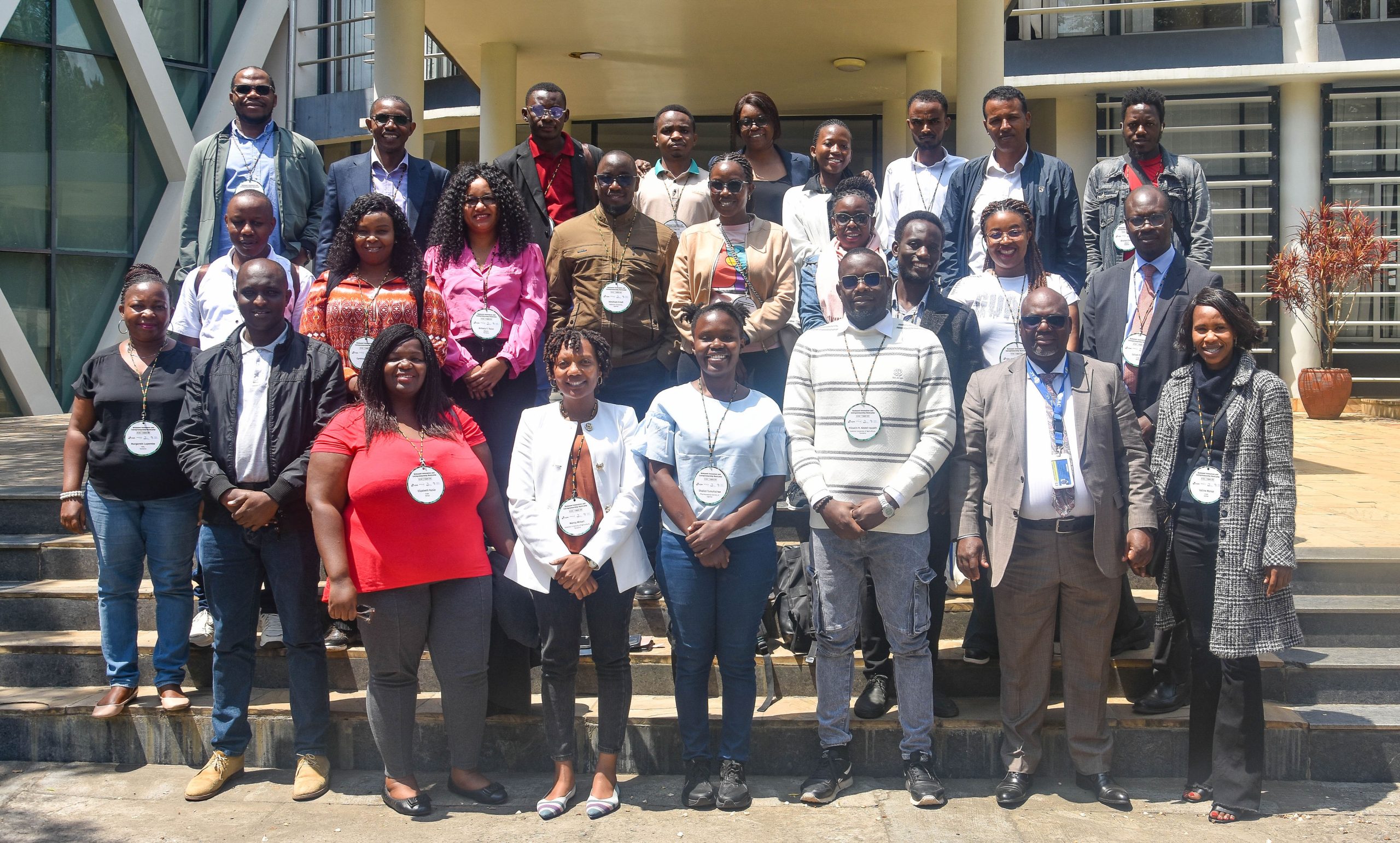
Group photo taken in East Africa Community in Arusha, Tanzania, during their field visits to expose them to the triple hexil model of innovation involving academia, industry and policy.
By Peace Muthoka .
Nairobi, Kenya – August 8, 2025 When scientists step out of their labs and into boardrooms, innovation finds a new path one rooted in local solutions, driven by research, and aimed at real-world impact. That transformation was on full display on August 7, as the curtain closed on the Biobased Innovation and Entrepreneurship Bootcamp (BIEB), a high-impact initiative led by BioInnovate Africa and implemented by the International Centre of Insect Physiology and Ecology (icipe), in partnership with the Regional Scholarship and Innovation Fund (Rsif).
Held over 10 intensive days, the bootcamp brought together 20 researchers from 10 African countries among them Kenya, Tanzania, Uganda, Rwanda, Ethiopia, Ghana, Malawi, Chad, Burundi, and the DRC. Their mission: to refine scientific breakthroughs into investable ventures capable of powering Africa’s bioeconomy.
“The idea is to bridge research and industry,” explained Julius Ecuru, Principal Scientist and Manager at icipe, speaking during a media briefing after the pitch event. “These scientists are not just generating knowledge they’re building businesses and creating jobs. This is the transformation Africa needs.”
Among the standout voices was Mercy Mmari, a food and nutrition scientist from Tanzania’s Sokoine University of Agriculture. Her innovation a line of nutritious burger patties crafted from indigenous knowledge was shaped by feedback from potential customers and insights from business mentors.
“At first, it was a shock,” Mmari admitted. “As scientists, we’re used to working behind the scenes. But here, we had to speak the language of customers and investors. It completely changed how I see my work.”
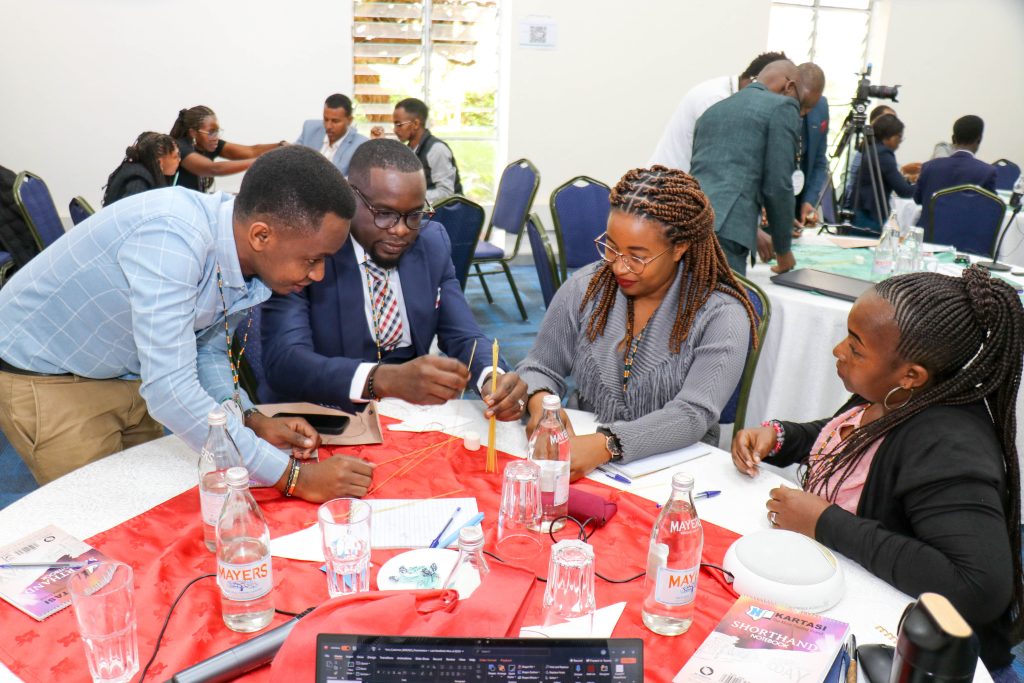
Throughout the bootcamp, participants engaged with policy experts, regulators, and private sector leaders. Visits to the East African Community Secretariat and top companies such as A-to-Z Group offered rare exposure to the real-world challenges and opportunities surrounding product development and commercialization.
While the pitch event did not declare immediate winners, Ecuru revealed that a panel of judges will later select five to seven of the most promising ventures for continued mentorship and support. These final selections will be based on refined proposals submitted after the event.
Notably, five of the bootcampers are PhD scholars from Rsif, a program that funds cutting-edge, solution-focused research across Africa. Their participation highlighted the importance of combining advanced education with entrepreneurial thinking to address local and regional development needs.
For most participants, the bootcamp experience went beyond competition. “Even if I’m not among those selected, what I’ve gained here is invaluable,” said Mmari. “The knowledge, the networks, and the exposure have prepared me to take my innovation to the next level and beyond.”
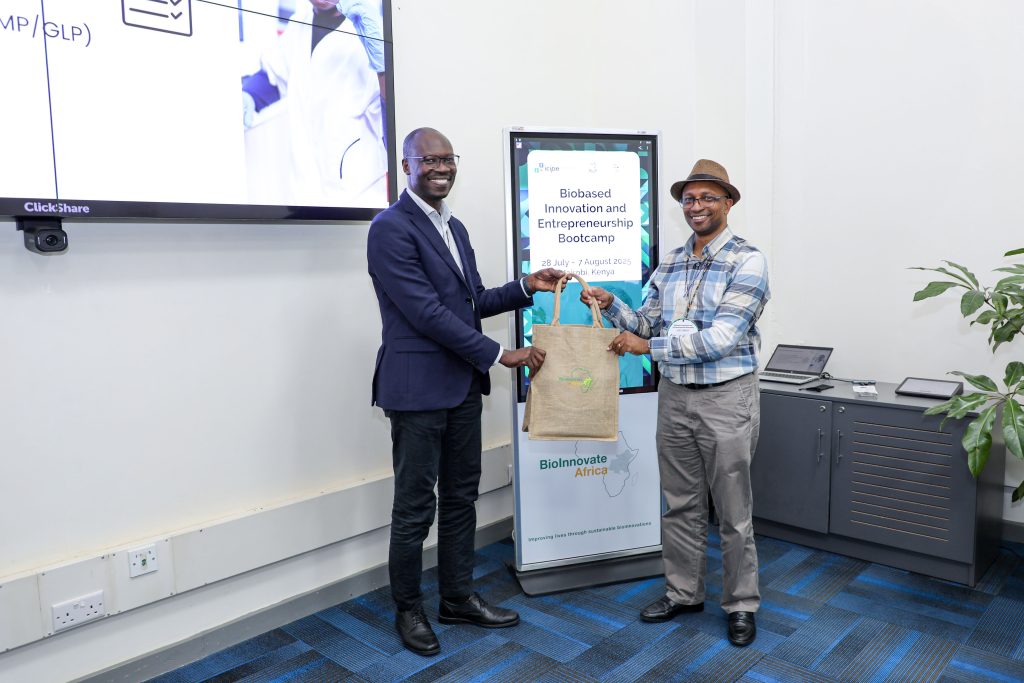
The bootcamp officially concluded on August 7 with a certificate ceremony, marking the end of an intense learning journey but the beginning of something far greater. With a strong foundation in place, these researchers-turned-entrepreneurs are now poised to take their ideas to market.
As BioInnovate Africa and Rsif plan to expand the program’s reach, there’s rising hope that this model one that blends science, business, and policy could unlock the next generation of African innovators ready to lead the continent into a thriving, homegrown bioeconomy.