
Scarce CommunitiesHealth workers in Mariakani adapt handwashing practices to limited water access
By Jones Kimanzi.
MARIAKANI, Kenya, January 13, 2026 — In a region where clean water is scarce and preventable diseases remain a daily threat, a community hygiene initiative is offering a practical lifeline for families along Kenya’s coast.
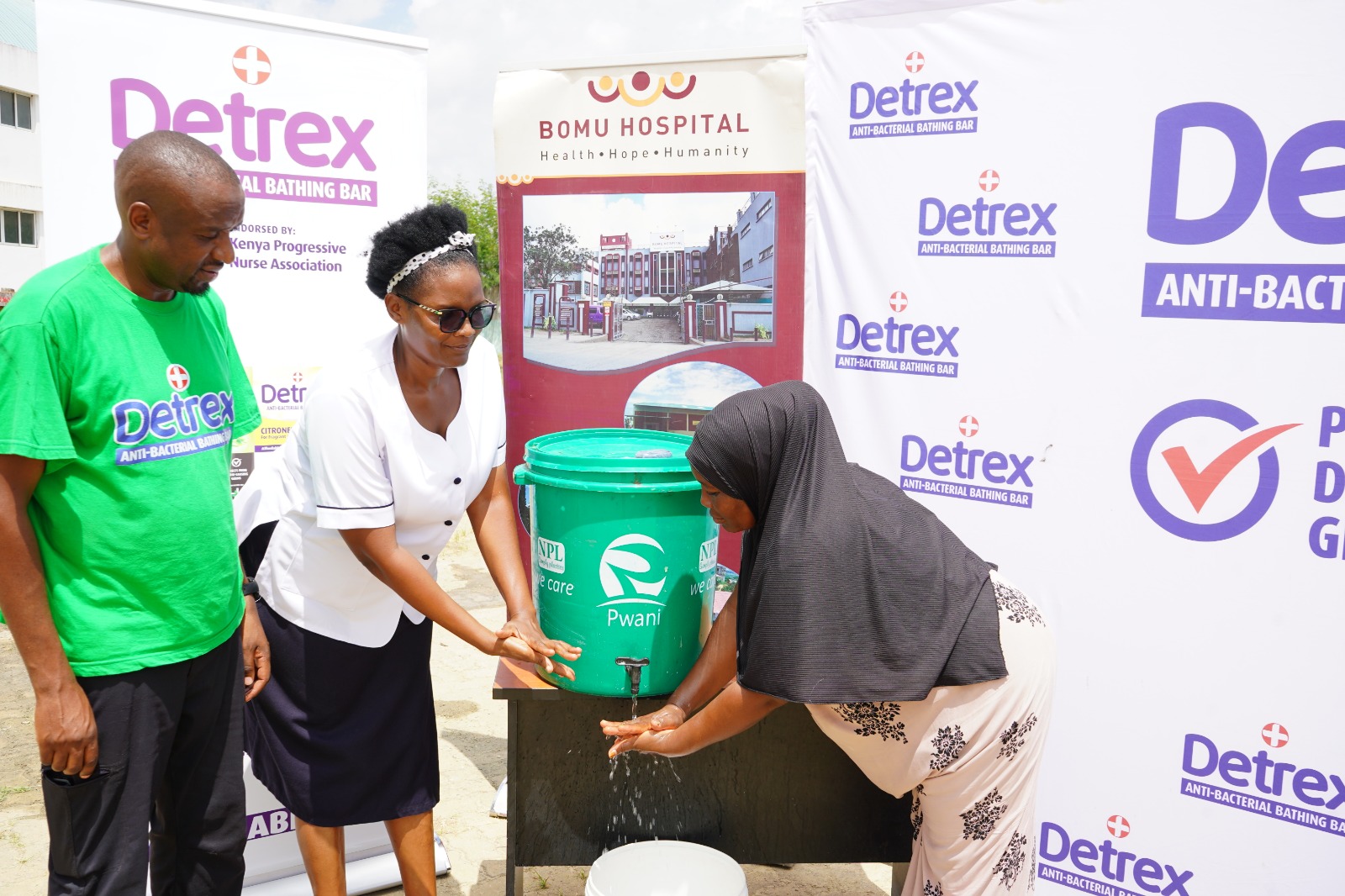
The programme, supported by Detrex Soap in partnership with the Kenya Progressive Nurses Association (KPNA), was held at Bomu Hospital in Mariakani and reached more than 200 women and children. Its focus was simple but critical: how to maintain proper hygiene and prevent disease even when water access is severely limited.
Through hands-on demonstrations, health workers showed participants effective hand-washing techniques adapted to low-water conditions. The sessions addressed common infections linked to poor hygiene and highlighted small, realistic changes families can adopt in their daily routines.
To reinforce the lessons, participants received hygiene kits to support prevention at the household level. Community health workers also led discussions on maternal responsibility, child health and early disease prevention, with particular attention to protecting children under five, who face the highest risk.
Mariakani, like many fast-growing settlements along Kenya’s coastal corridor, continues to struggle with chronic water shortages. Health workers say these conditions significantly increase cases of waterborne diseases and skin infections, making conventional hygiene advice difficult to apply. As a result, education must be shaped around scarcity, not ideal circumstances.
“Hand washing remains one of the most cost-effective public health interventions, yet it is often underestimated,” said Rajul Malde, Commercial Director at Pwani Oil Products Limited, which manufactures Detrex. “In Mariakani, we saw mothers who already understood the risks. What they needed were practical tools and consistent support.”
KPNA’s Triza Ireri said the programme focused on showing families that good hygiene is still achievable despite daily challenges.
“We demonstrated how to wash hands properly even when water is limited, because that is the reality for these families,” she said. “Once mothers see that hygiene is possible in their situation, real behaviour change begins.”
Community health workers involved in the outreach said trust played a major role in the programme’s success. Detrex had previously partnered with local health workers in similar initiatives, allowing the team to build on existing relationships rather than start from scratch.
“People listened because they recognised us,” said one community health worker. “When hygiene messages come from familiar faces and are supported with something practical like soap, they stop being theory and become part of daily life.”
Malde said the Mariakani experience underscored the importance of shared responsibility in public health.
“If we are serious about building healthier communities, hygiene must involve families, healthcare workers and industry working together,” he said.