
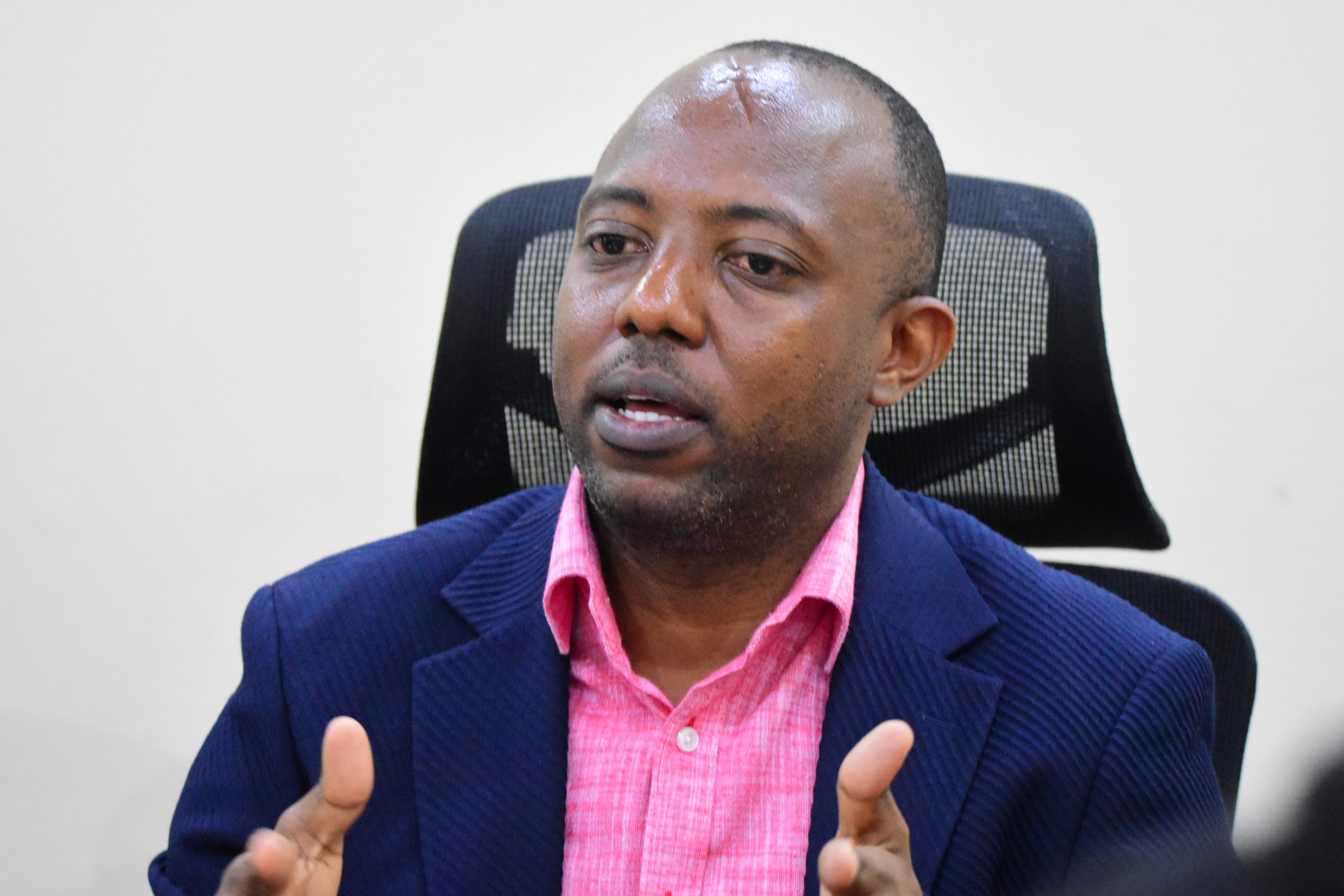
Chief Executive Officer of FPTS Kenya, Kushian Muchiri speaking to the press .
By Peace Muthoka
Nairobi, January 2, 2026 – The Federation of Public Transport Sector (FPTS) stepped in on Monday to calm rising tensions in Kenya’s transport industry after a widely anticipated matatu strike failed to materialise, assuring commuters that dialogue, not disruption, remained the chosen path forward.
Throughout the morning, conflicting reports and social media claims suggested that matatus would stay off the roads, with some voices even alleging a standing Monday strike. However, as the hours passed, public service vehicles continued operating normally across major towns, easing fears of widespread commuter paralysis.
The Chief Executive Officer of FPTS Kenya, Kushian Muchiri, thanked matatu operators and investors for rejecting strike calls and giving space for talks. He said the industry’s response showed unity and responsibility at a time when many Kenyans rely on public transport to earn a living.
He also acknowledged the national government for supporting dialogue and engagement, particularly with stakeholders across the wider transport sector, including boda boda operators. According to him, cooperation had helped isolate a few individuals who attempted to disrupt transport under the cover of a strike.
He was quick to draw a clear line between protest and lawlessness. Blocking roads and crossing vehicles in front of other road users, he said, did not amount to a strike. Instead, he described such acts as economic sabotage, stressing that a legitimate strike must be voluntarily supported by vehicle owners.
In his view, the position of investors was unmistakable. Matatu owners, he said, stood firmly behind the FPTS directive to continue operations and allow dialogue to take its course.
He explained that matatus and boda bodas operate within a shared transport ecosystem. Riders drop passengers at stages, matatus pick them up, and the system moves people to their destinations. Any attempt to break this chain, he noted, only punishes ordinary Kenyans.
Even so, he warned that criminal elements were exploiting incidents and accidents to create chaos. Some attackers, he said, were not even boda boda riders but opportunists taking advantage of confusion to assault drivers and burn vehicles.
He revealed that several vehicles had been torched, including matatus, boda bodas and private cars. As a result, he warned that no vehicle owner felt safe under such circumstances.
Against this backdrop, he confirmed that dialogue had already begun in earnest. FPTS, he said, was preparing to meet Cabinet Secretaries and the Inspector General of Police within 48 hours.
The objective of the meetings would be to agree on firm measures to deal decisively with criminals burning vehicles and terrorising road users. He stressed that these crimes went beyond the matatu industry and posed a broader national security concern.
Once again, he thanked matatu investors and operators for their patience during what he described as a painful period. He acknowledged the heavy losses suffered when vehicles are destroyed, especially during tough economic times.
Still, he insisted that strikes would only deepen those losses. Loans do not pause during strikes, he noted. Insurance timelines do not wait. Government dues must still be paid.
For that reason, he said the industry would pursue solutions that did not pile more pain onto already strained members. He added that the government had committed itself to resolving the issue with finality through dialogue.
Attention then shifted to claims of internal divisions within matatu leadership, particularly between FPTS and the Matatu Owners Association. Some reports had suggested cracks that fueled the strike calls.
Responding firmly, the FPTS CEO dismissed those claims. He explained that the Matatu Owners Association remained part of the federation and that its national chairman also served within FPTS leadership.
However, he noted that many investors had since migrated to other associations, including the Association of Matatu Transport Owners, where he serves as chairman. According to him, the reasons for the migration were well known within the industry.
He accused one individual of attempting to regain relevance by exploiting the pain of investors, despite facing court charges over alleged fraudulent dealings. He insisted that such personal issues could not be allowed to destabilise the sector.
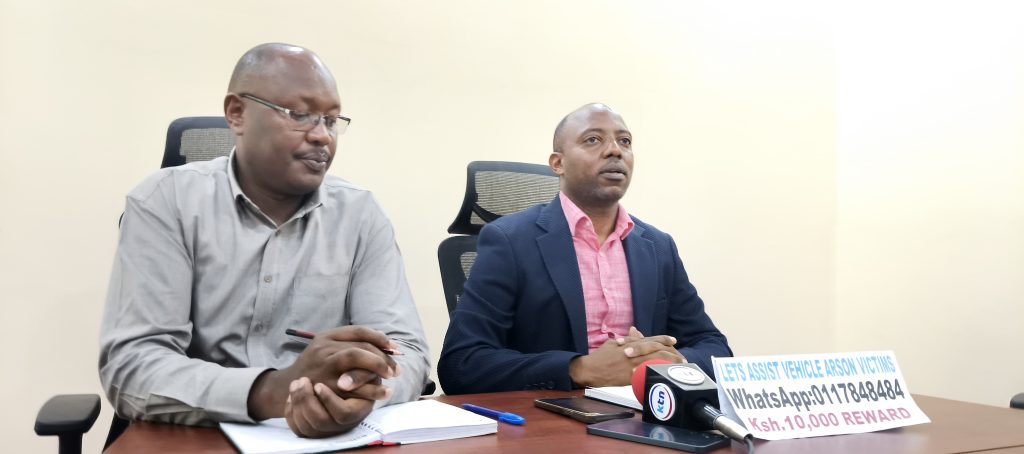
He further clarified his own leadership position, stating that he was elected through a transparent process involving all nine registered matatu associations in the country. Those associations, he said, included leaders from the Matatu Owners Association.
Addressing allegations that he benefited from government “goodies” on behalf of matatu owners, he dismissed the claims as baseless. He argued that there were no benefits to enjoy when vehicles were being banned and burned.
Instead, he said, the real beneficiaries of the failed strike were those seeking attention after losing relevance in the industry. He reiterated that one problem could not be solved by creating another.
Strikes, he said, only worsen an already fragile situation. Loans continue to accumulate, insurance clocks keep ticking, and losses multiply.
On arrests linked to the unrest, he confirmed awareness of video clips showing detained drivers. However, he claimed those involved were linked to the organisers of the failed strike, not the wider matatu industry.
As evening approached and matatus continued ferrying passengers across the country, the message from FPTS and industry leaders remained steady. Dialogue had prevailed over disruption.
For commuters, it meant uninterrupted travel. For investors, it offered a measure of stability. And for the transport sector, it marked a cautious but deliberate step toward resolving long-standing tensions without grinding the economy to a halt.