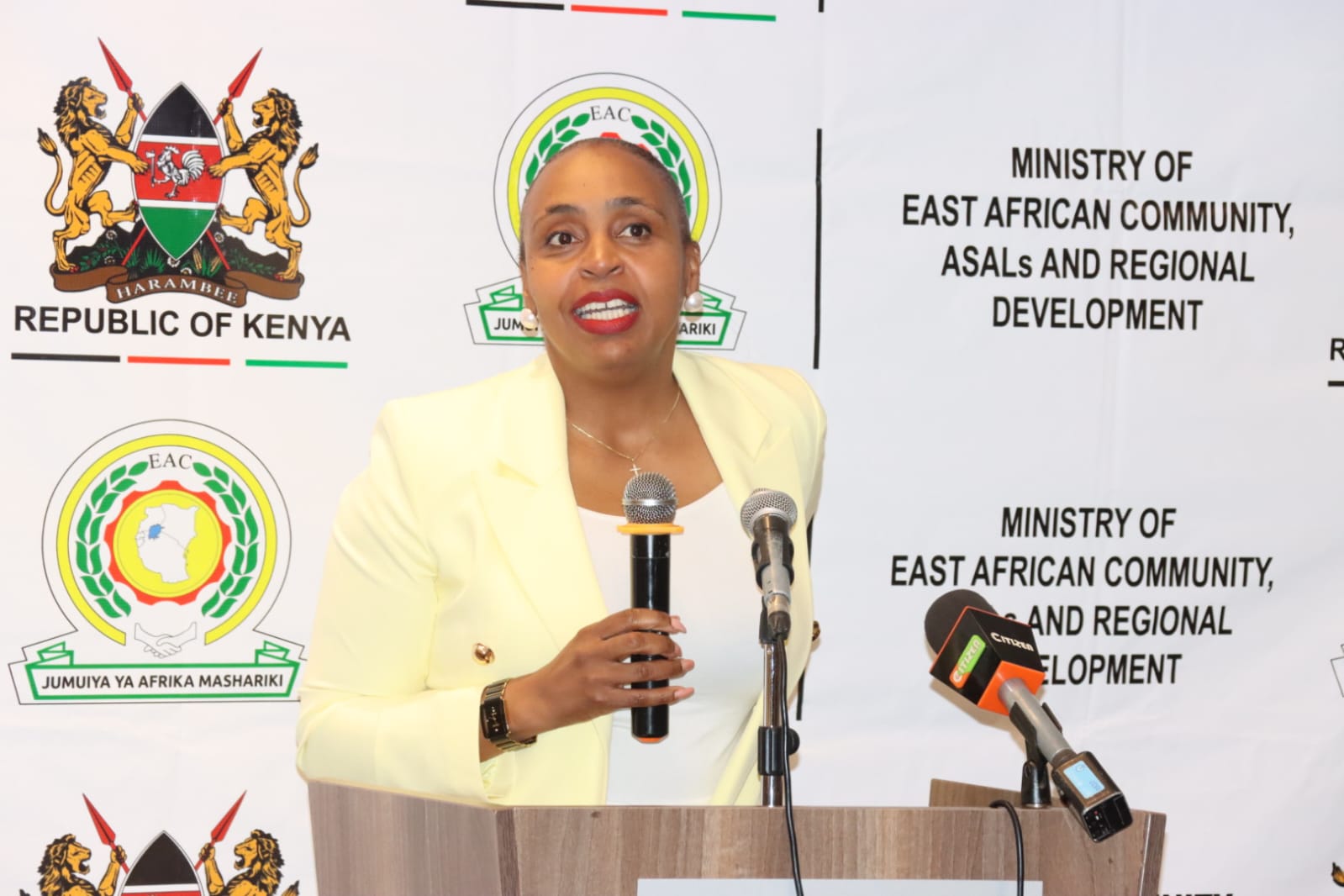
Principal Secretary for East African Community Affairs and Acting Principal Secretary for ASALs and Regional Development, Dr. Caroline W. Karugu, during a Media Engagement Breakfast at the Nairobi Hotel
By Peace Muthoka
NAIROBI, July 13, 2026 — Kenya’s exports to the East African Community (EAC) increased by nine percent in 2025 to reach KSh351 billion, cementing the country’s position as the region’s leading exporter as the government steps up efforts to strengthen regional trade and economic integration.
The latest figures were unveiled by the Principal Secretary for East African Community Affairs and Acting Principal Secretary for ASALs and Regional Development, Dr. Caroline W. Karugu, during a Media Engagement Breakfast at the Nairobi Hotel. The forum brought together journalists, government officials, civil society organisations and development partners to discuss the State Department’s achievements and its priorities for regional integration and sustainable development.
Dr. Karugu said the growth in exports reflects Kenya’s expanding influence within the regional bloc and the government’s continued efforts to create a more competitive trading environment. She noted that the EAC remains Kenya’s largest export market and the leading destination for locally manufactured goods, making regional integration a key pillar of the country’s economic growth strategy.
According to the latest trade data, Kenya exported goods worth KSh351 billion to EAC partner states in 2025, up from KSh321 billion the previous year. The regional bloc also absorbed 77 percent of Kenya’s exports to Africa and 31 percent of the country’s total global exports, underlining its importance to Kenya’s economy.
Kenya also maintained a trade surplus with all EAC partner states, with the surplus rising from KSh217 billion to KSh248 billion. The country retained its position as the leading intra-EAC exporter, accounting for 35 percent of regional exports, driven largely by manufactured products that continue to support industrial growth and value addition.
Dr. Karugu attributed the progress to ongoing reforms aimed at easing cross-border trade. She said the State Department has made significant strides in harmonising regional tax policies, improving trade facilitation measures and enhancing the efficiency of one-stop border posts to reduce the time and cost of moving goods across borders.
She added that the government is working with EAC partner states to eliminate the remaining non-tariff barriers that continue to slow trade within the region. At the same time, it is addressing challenges affecting the implementation of the Common Market and Customs Union protocols while strengthening the Northern Corridor to improve regional connectivity and protect Kenya’s strategic interests.
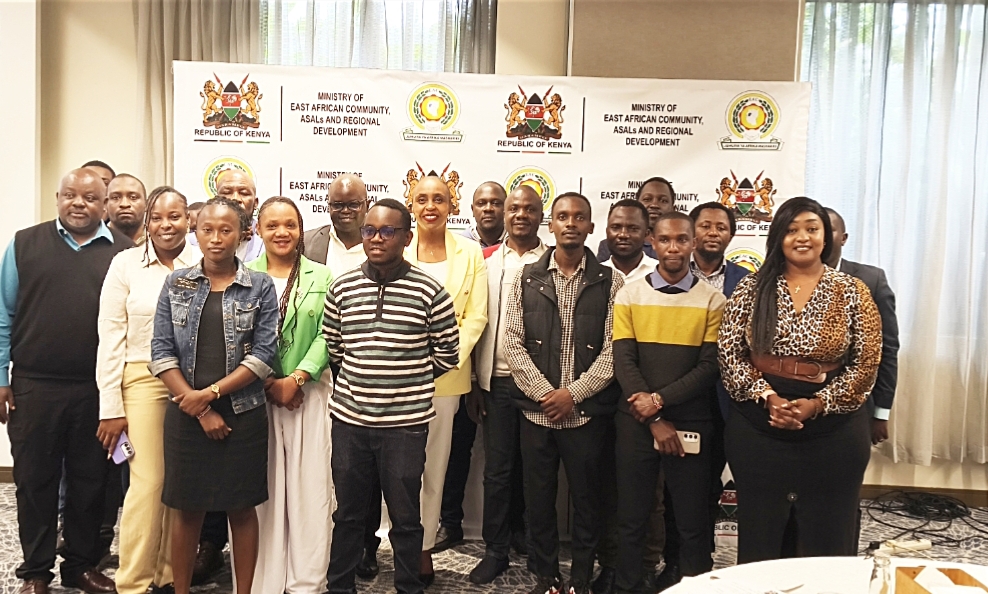
“The partnership between the State Department and the media is a cornerstone of Kenya’s socio-economic transformation. Your role has been instrumental in ensuring that our regional milestones and development policies remain transparent and accessible to the public,” Dr. Karugu said.
She called for stronger collaboration between the government and the media, saying regular engagement and effective communication would help citizens better understand the opportunities created through regional integration while promoting accountability in policy implementation.
Beyond trade, the Principal Secretary highlighted the government’s commitment to building resilient communities, particularly in arid and semi-arid lands, through improved drought preparedness and sustainable development programmes.
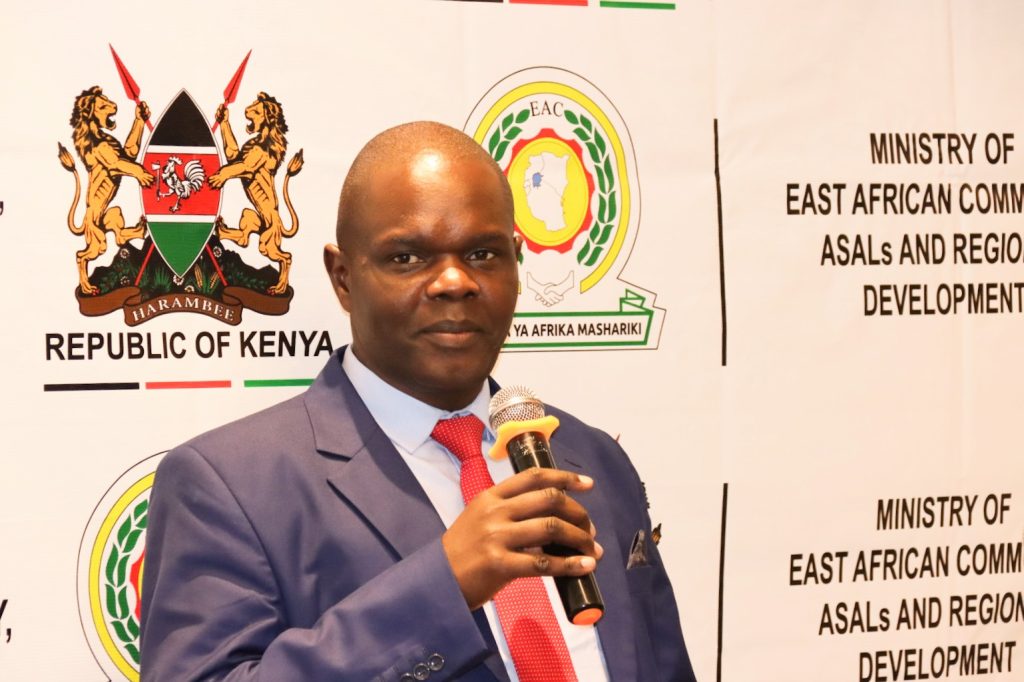
During the meeting, Eng. Felix Adoyo, Director for Resilience at the National Drought Management Authority (NDMA), said the authority is accelerating the use of digital technology to strengthen its Early Warning System and improve the delivery of timely information that enables governments and communities to respond before drought conditions worsen.
“Anticipatory action safeguards lives and livelihoods. By accelerating digital transformation, NDMA is strengthening its Early Warning System to deliver timely, data-driven information that enables governments, partners and communities to act early, reduce drought impacts and build lasting resilience,” Adoyo said.
He said NDMA continues to work closely with national and county governments, development partners and local communities to coordinate drought risk management through resilience investments, adaptive social protection and early action programmes that protect livelihoods and improve food security.
Dr. Karugu reaffirmed the government’s commitment to advancing regional integration while promoting sustainable development, saying stronger trade partnerships, resilient communities and informed public participation will be critical to achieving Kenya’s long-term economic transformation.