
Kenya’s shift from NHIF to SHA is reshaping how hospitals plan for equipment, diagnostics and digital systems, as wider health financing reforms across East Africa create new demand for healthcare investment
By Peace Muthoka
NAIROBI, Kenya — Kenya’s transition from the National Hospital Insurance Fund (NHIF) to the Social Health Authority (SHA) is giving healthcare facilities a clearer framework for upgrading equipment, diagnostics, digital systems and other infrastructure as the country’s health financing model changes.
The reforms come as more than 31 million Kenyans have registered under SHA, with 11,034 health facilities contracted and more than KES 147 billion paid in claims to support access to healthcare services since October 2024, according to the Ministry of Health.
The scale of enrolment and reimbursement is providing hospitals with greater visibility on patient volumes and funding flows, while creating pressure to ensure their systems and equipment can meet the requirements of the new financing model.
Under SHA, payments to primary healthcare facilities are increasingly linked to verified patient visits rather than insurance status. At the same time, claims processing timelines have been reduced from 90 days to 30 days, creating a stronger incentive for hospitals to modernise diagnostics, information systems and revenue-cycle management.
SHA Reforms Reshape Procurement Priorities
The changes are also influencing how hospitals plan their investments.
Under SHA’s benefit packages, tariffs for services including inpatient care, maternity, dialysis and oncology are defined on a case or daily basis. Inpatient per-diem rates at Levels 4 to 6, for example, range from KES 3,500 to KES 5,000, while maternity packages include KES 11,200 for normal delivery and KES 32,600 for Caesarean sections.
Reimbursements for MRI and CT scans stand at KES 11,000 and KES 9,600 respectively.
Such structured reimbursement rates are increasing the need for hospitals to have appropriate imaging, laboratory and digital systems capable of accurately capturing, reporting and supporting the delivery of eligible services.
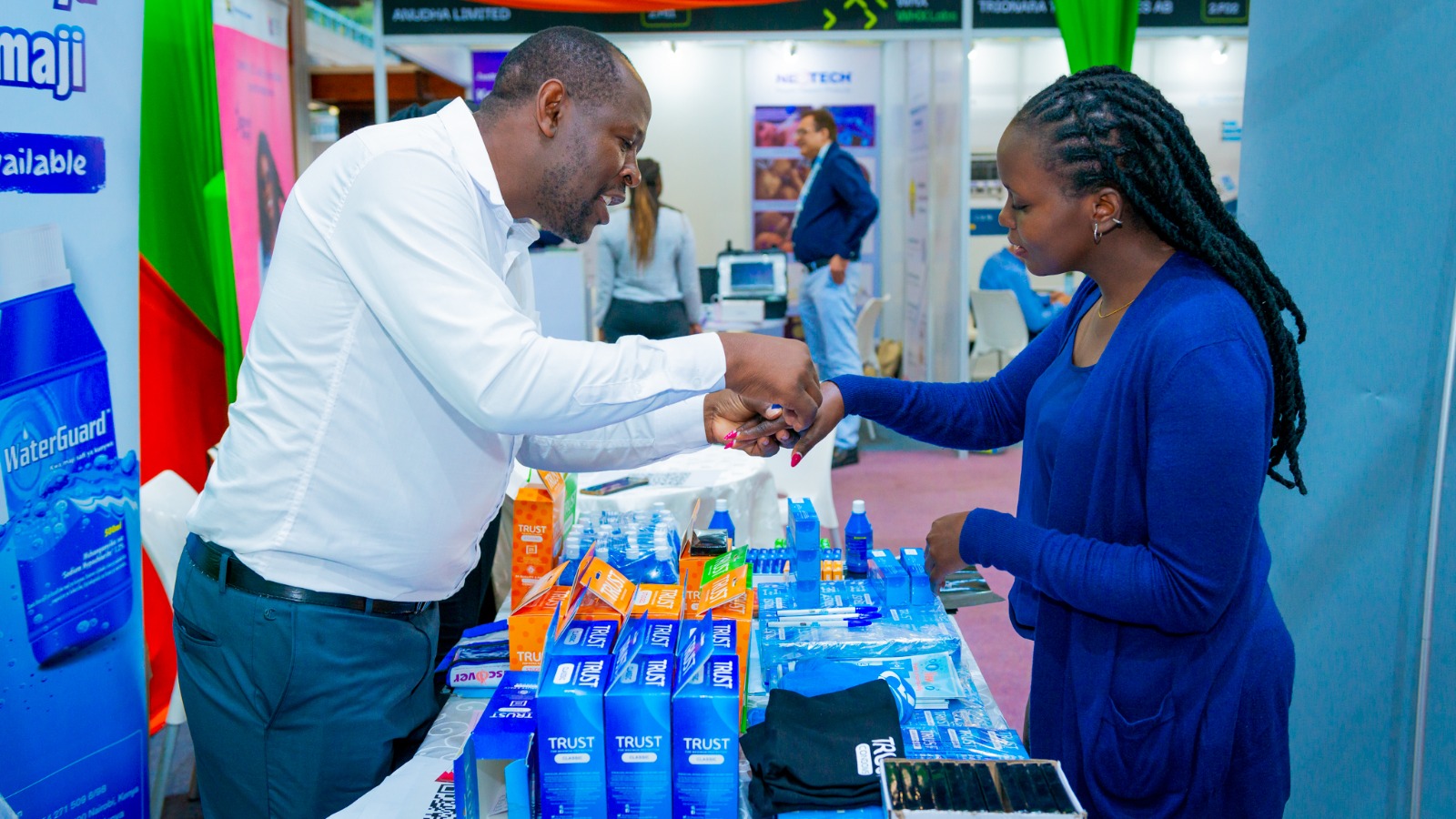
It is against this backdrop that the World Health Expo (WHX) Nairobi is expected to provide a platform for healthcare providers to translate financing reforms into concrete procurement decisions.
The event will take place from 16 to 18 September 2026 at the Kenyatta International Convention Centre (KICC), bringing together hospital leaders, procurement professionals, suppliers, technology companies and distributors ahead of the next budget cycle.
WHX Nairobi Expands as Healthcare Investment Grows
The 2026 event marks the 10th edition of WHX Nairobi, formerly known as Medic East Africa. Held under the patronage of Kenya’s Ministry of Health and supported by the Kenya Healthcare Federation (KHF) and the Medical Technology Industry Association of Kenya (MEDAK), the expo is expected to attract more than 5,500 attendees, about 15 per cent of them international participants.
More than 200 exhibitors from over 30 countries are expected to participate, representing a 22 per cent year-on-year increase in exhibitors.
The exhibition space has also expanded to 4,500 square metres net, an 81 per cent increase from the previous year. Organisers estimate that WHX generated USD 84.19 million in business in 2025, highlighting the growing role of the event in connecting healthcare providers with suppliers and investment opportunities.
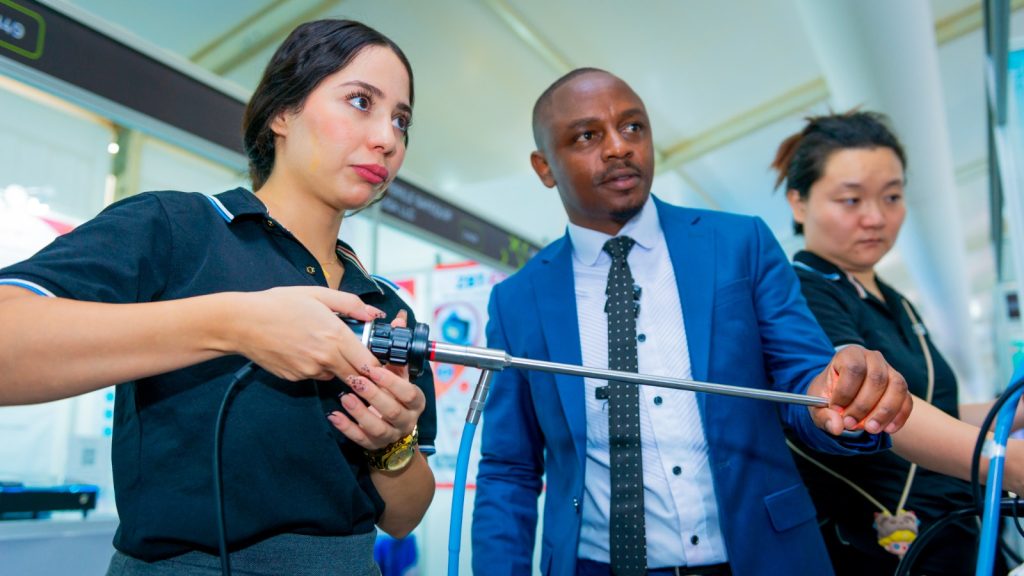
The expo will showcase solutions across eight healthcare sectors, including medical devices, imaging, laboratory diagnostics, information technology and digital health.
Regional Reforms Create New Demand
Kenya’s SHA reforms are part of a broader shift in healthcare financing and investment across East Africa.
In Ethiopia, Community-Based Health Insurance (CBHI) now covers more than 64 per cent of the population nationally, equivalent to about 54 million people, while coverage exceeds 70 per cent of households in implementing wards.
Evidence from Ethiopia indicates that increased insurance enrolment can raise health facility revenues and encourage investment in diagnostics, medicines and quality improvements.
Tanzania is also experiencing growing demand across its pharmaceutical sector. The country’s pharmaceutical import market was valued at about USD 1.08 billion in 2023 and is projected to reach USD 1.55 billion by 2028, representing estimated annual growth of 7.6 per cent.
The growth is expected to influence procurement of medicines, cold-chain infrastructure and technology-enabled inventory management systems.
In Uganda, continued investment in hospital infrastructure is driving demand for beds, medical devices and supply-chain systems, even as health spending remains close to two per cent of GDP.
Together, these developments point to a growing need for modern healthcare infrastructure and technology across the region.
Private Investment Needed
Analysis by the World Bank and the World Health Organization (WHO) has highlighted the need for greater private investment in African healthcare infrastructure and services as health expenditure continues to grow but remains below global benchmarks.
For hospitals, the challenge is increasingly about converting new financing frameworks into practical investment plans.
Healthcare executives and procurement teams are therefore prioritising imaging and diagnostic equipment, revenue-cycle management systems, electronic medical records, pharmacy automation and infrastructure that can expand service capacity.
WHX Nairobi is positioning itself as a meeting point where healthcare decision-makers can compare technologies, engage suppliers and address procurement gaps before the next financial cycle.
“Kenya’s transition to the SHA marks a decisive turning point for our national healthcare ecosystem. Healthcare facilities are under immediate pressure to adapt to new reimbursement structures, expanded benefit packages and digitised claims processing,” said Dr Janki Chauhan, Chairperson of MEDAK.
“Across East Africa—from Ethiopia’s CBHI expansion to Tanzania’s pharmaceutical momentum and Uganda’s infrastructure push—we see a shared imperative for modern medical solutions,” she added.
According to Chauhan, WHX provides a commercial platform where healthcare providers can connect directly with global suppliers while gaining a better understanding of regulatory requirements and investment planning.
Procurement Decisions Becoming Time-Sensitive
The changes across the region are creating increasingly time-sensitive procurement needs for hospitals and healthcare providers.
“Healthcare financing reforms across East Africa aren’t simply theoretical anymore—they are actively reshaping hospital procurement right now,” said Tom Coleman, Portfolio Director – Healthcare, Informa Markets.
“Kenya’s SHA rollout, Ethiopia’s CBHI expansion, Tanzania’s pharmaceutical sector growth and Uganda’s infrastructure investments are all driving urgent, time-sensitive procurement needs,” Coleman said.
He added that WHX brings hospital leaders and procurement managers together with distributors and technology companies to align investment plans with emerging healthcare financing models and secure the solutions they need before the next financial year.
“The WHX portfolio includes three key healthcare events in Africa, held in Nairobi, Lagos and Johannesburg. These events form a consolidated platform that connects global brands with regional distributors, giving East African hospitals better visibility and more choice as they plan for the future,” Coleman added.
A Platform Ahead of the Next Budget Cycle
As Kenya and other East African countries continue implementing healthcare financing reforms, hospitals are under growing pressure to make timely decisions on technology, equipment and infrastructure.
For procurement leaders working within SHA and other regional health financing timelines, WHX Nairobi offers an opportunity to assess available solutions, engage suppliers and align investments with emerging reimbursement and service-delivery requirements.
Registration for WHX Nairobi is free for healthcare professionals, suppliers and procurement leaders.
The event will be held at the Kenyatta International Convention Centre from 16 to 18 September 2026, providing healthcare stakeholders with an opportunity to review the changing financing landscape and make procurement decisions for the year ahead.
Healthcare professionals and industry stakeholders can register to attend WHX Nairobi through the official event registration platform.