Education Stakeholders Raise Alarm as EachRights Warns Privatization Is Undermining Kenya’s Public Education
By Peace Muthoka.
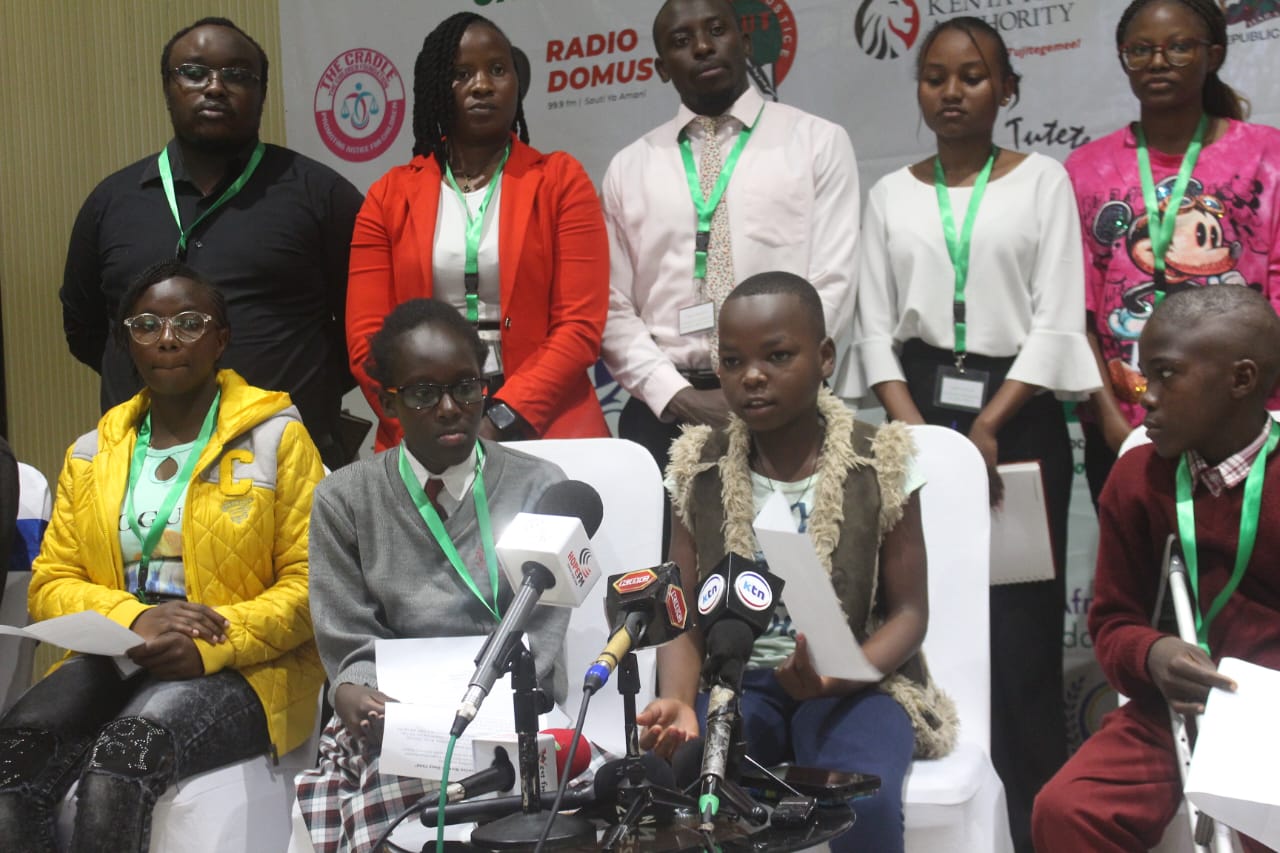
Education stakeholders have warned that the rapid privatization of learning in Kenya is threatening the country’s commitment to free and equitable education for all children. This concern dominated a media briefing held on Wednesday, 12th, where EachRights, together with key education partners, urged the government to curb the growing commercialization of the sector.
During the briefing, advocates emphasized that education is a human right and a public good not a commodity for profit. They argued that unchecked privatization is widening inequality, locking out vulnerable children, and undermining decades of progress made through public education investments.
Speakers at the event noted that the increasing influence of private actors has created a system where access to quality learning largely depends on a family’s financial ability. They warned that this trend directly contradicts the Constitution, which guarantees every child the right to free and compulsory basic education.
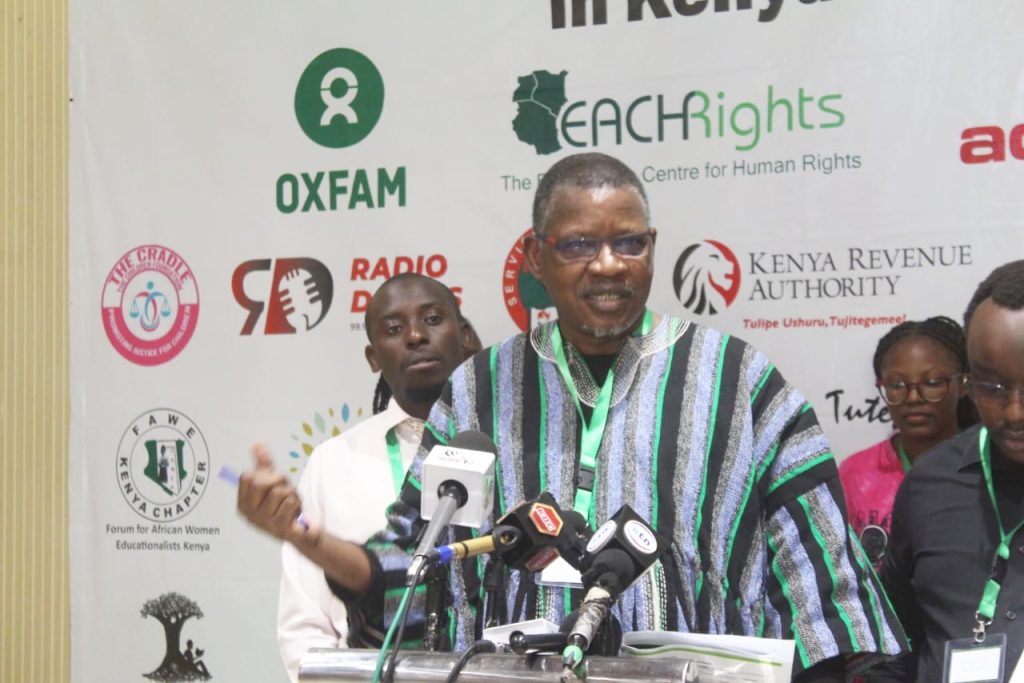
Stakeholders also highlighted several worrying developments, including rising tuition fees, the expansion of low-cost private schools, and the growing role of international education corporations. According to EachRights, these shifts have left public schools overstretched, underfunded, and struggling to meet demand.
As the discussions progressed, participants stressed the urgent need for stronger government oversight. They called for increased investment in public schools to ensure they remain accessible and competitive. Advocates also pushed for stricter regulation of private education providers, arguing that profit-driven models are incompatible with the goal of equal learning opportunities.
During the session, experts outlined a series of policy recommendations aimed at reversing harmful privatization trends. These included boosting budget allocations to public institutions, protecting children from discriminatory learning environments, and ensuring transparency in the operations of private education players.
The Wednesday briefing came at a crucial time, as Kenya continues implementing ongoing curriculum reforms under the Competency-Based Curriculum (CBC). Stakeholders noted that for these reforms to succeed, the government must reaffirm education as a national priority and shield it from market forces that prioritize profit over learning outcomes.
In their closing remarks, EachRights urged the public, policymakers, and the media to stay engaged in conversations about the future of Kenya’s education system. They emphasized that safeguarding education as a public good is essential for building an equal and prosperous society.
The briefing ended with a unified call to action: Kenya must protect education from commercialization and keep it rooted in the principles of equity, dignity, and universal access.