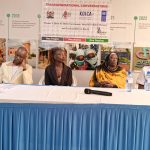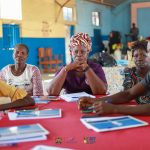
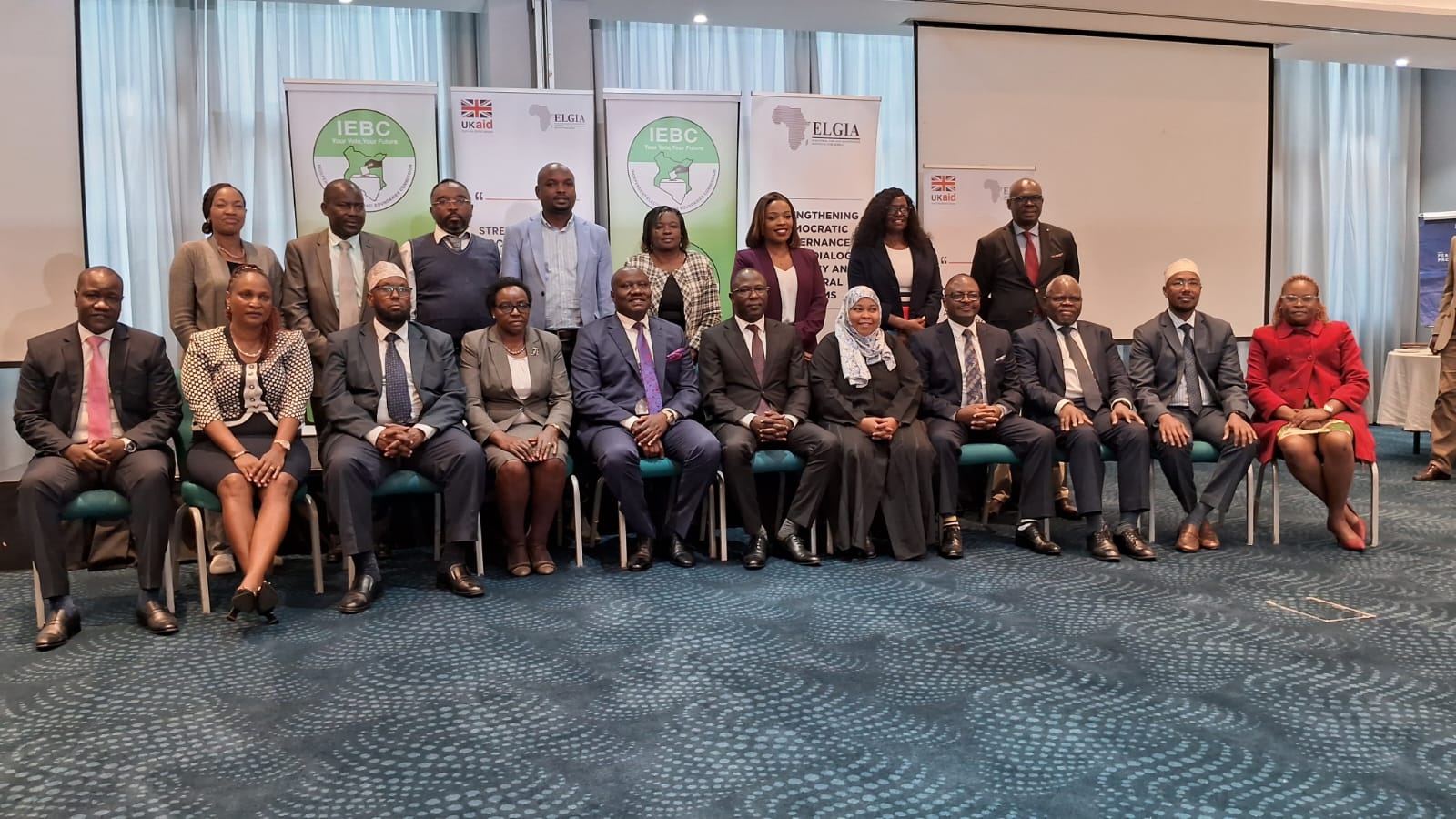
Different stakeholders present during the high-level consultative roundtable at a Nairobi hotel on August 6, 2025.
By Peace Muthoka.
Nairobi, Kenya – August 6, 2025 — The Independent Electoral and Boundaries Commission (IEBC) today convened a consultative roundtable with senior media leaders at Radisson Blu, Nairobi, to strengthen collaboration ahead of the 2027 general elections.
The early morning meeting brought together IEBC Commissioners, top editors, civil society actors, and electoral stakeholders to review media engagement during the 2022 polls and build a unified front for improved electoral transparency.
IEBC Chairperson Erastus Edung Ethekon, who officially opened the session, reaffirmed the Commission’s commitment to inclusive stakeholder engagement. “As a Commission, we are already engaging political parties on how to manage rhetoric and protect civic space,” he said. He added that the IEBC was reviewing areas of its budget to cut unnecessary expenditure “without compromising credibility.”
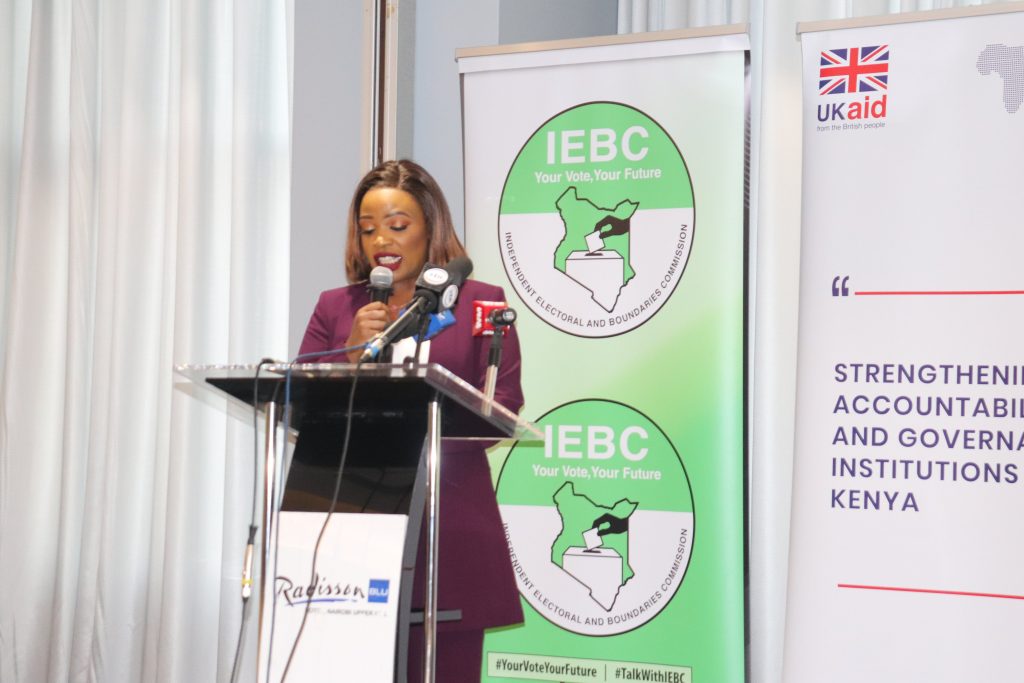
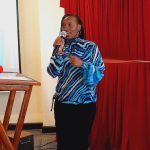
Zubeidah Kananu, President of the Kenya Editors’ Guild (KEG) speaking during the high-level consultative roundtable at a Nairobi hotel on August 6, 2025.
Zubeidah Kananu, President of the Kenya Editors’ Guild (KEG), led the media delegation and called for urgent action to counter the growing threat of political intolerance, disinformation, and AI-generated deepfakes.
“Disinformation and AI-generated deepfakes are already shaping public opinion,” Kananu warned. “But technology also offers solutions from automated verification to digital literacy.”
She urged the Commission to publicly denounce hate speech, ensure journalists’ safety, and enhance digital education for the public. Among the proposals tabled by KEG were the creation of a joint IEBC-media forum on the role of AI and digital technology in elections, expansion of fact-checking desks established in 2022, and sustained digital literacy campaigns to promote trust in verified information.
Kananu also emphasized that cost-efficiency must not come at the expense of preparedness. “We urge that cost-cutting should never come at the expense of credibility or operational readiness,” she said.
Reflecting on the 2022 electoral cycle, Kananu pointed out gaps that require urgent redress including “insufficient personnel to cover and tally results comprehensively,” the “absence of a centralized or coordinated media tallying center,” and “safety and security gaps during transmission of presidential results.”
“These are challenges we must address now not during the heat of the next election,” she emphasized.
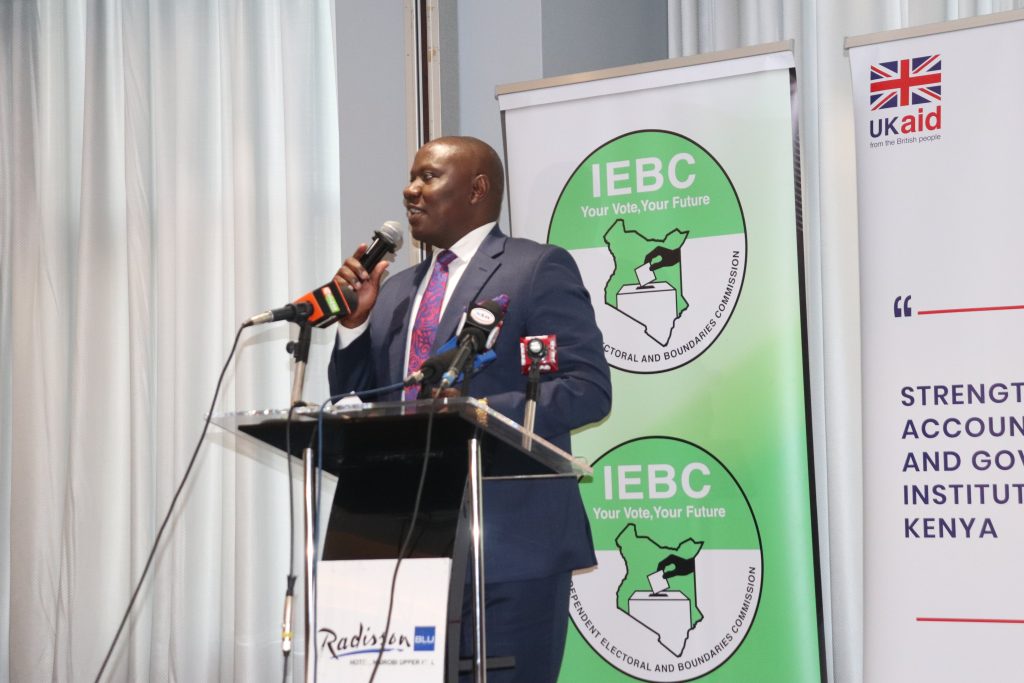
Felix Odhiambo Owuor, Executive Director of the Electoral Law and Governance Institute for Africa (ELGIA speaking during the event on August 6, 2025.
Felix Odhiambo Owuor, Executive Director of the Electoral Law and Governance Institute for Africa (ELGIA), backed the call for stronger institutional cooperation. “We propose convening a technical retreat or workshop involving media stakeholders and the Commission,” he said. The aim, he added, would be “to review the expired MoUs, assess lessons learned, and co-create updated frameworks for engagement ahead of 2027.”
Odhiambo also pledged ELGIA’s technical support to counter AI-powered disinformation and promote responsible, evidence-based reporting across the country.
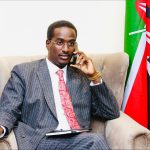
IEBC CEO Marjan Hussein Marjan lauded the media’s role in electoral processes. “You inform, question, and hold institutions accountable,” he said. “You are not just observers you are active participants in strengthening democracy.”
The meeting concluded with a joint commitment to address long-standing challenges in election coverage, promote media safety, enhance civic and voter education, and deploy innovative digital tools to uphold the credibility of Kenya’s electoral system.
With the 2027 elections on the horizon, today’s engagement marked a significant step in aligning the goals of media and electoral authorities setting the tone for more coordinated, transparent, and peaceful elections.