icipe Unveils Bold Strategy to Shape Africa’s Scientific Future
By Editorial Team.
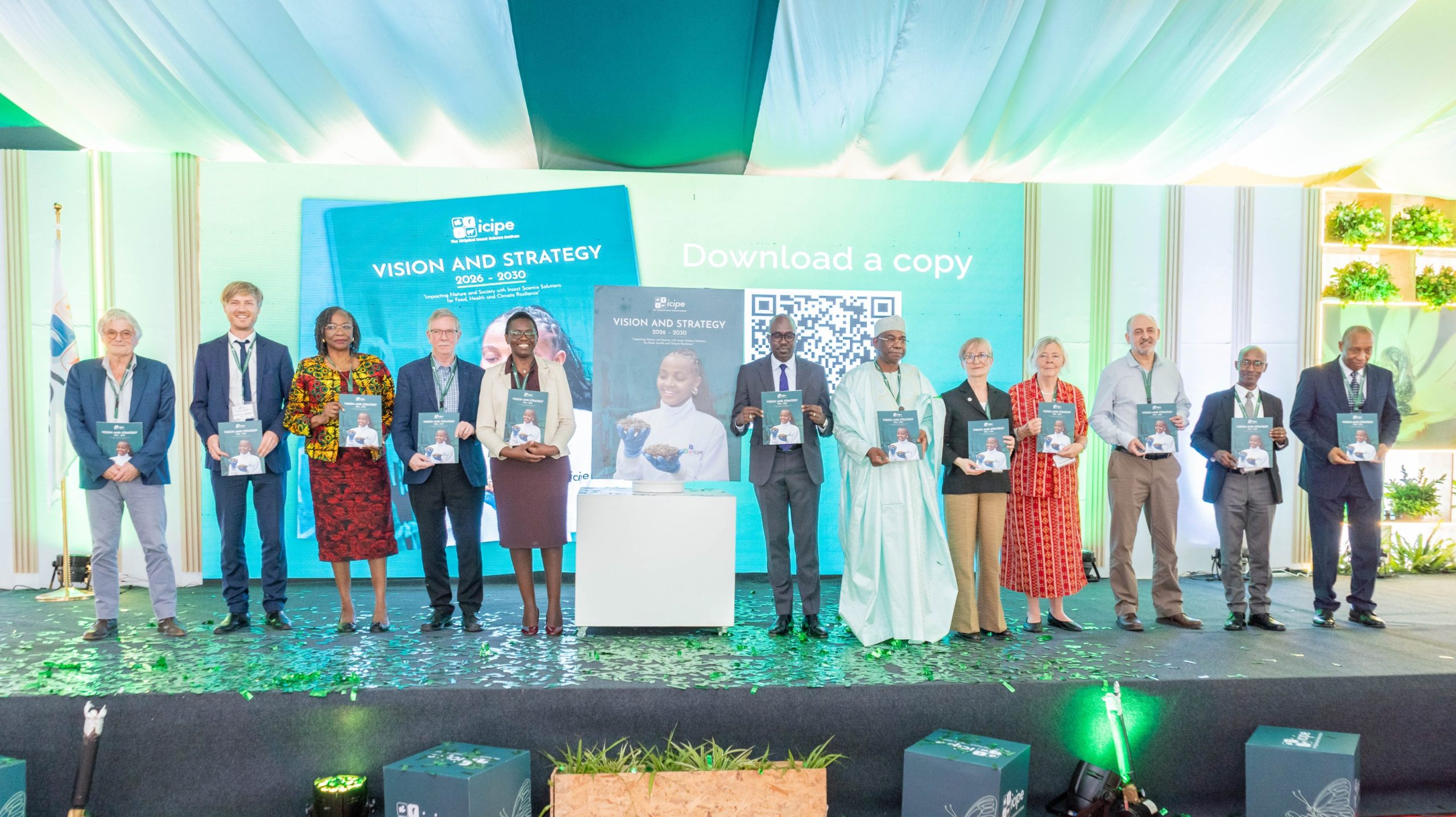
International Centre of Insect Physiology Ecology (icipe) has launched a transformative strategy that places insect science at the centre of Africa’s fight against food insecurity, climate shocks, biodiversity loss and public health threats.
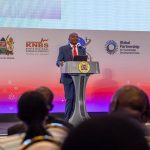
The icipe Vision and Strategy 2026–2030, unveiled in Nairobi, lays out an ambitious plan to boost scientific excellence, strengthen institutions and scale up innovations across the continent. The event brought together senior government officials, top scientists and global partners, who hailed the strategy as a milestone for African research.
Foreign Affairs Principal Secretary Dr. Abraham Korir Sing’Oei said Kenya remains honoured to host icipe for more than 50 years. He described the new strategy as “timely,” adding that it aligns with Africa’s development priorities, the Sustainable Development Goals, the AU’s Agenda 2063 and Kenya’s Bottom-up Economic Transformation Agenda.
Dr. Sing’Oei also celebrated the late Professor Thomas Odhiambo, icipe’s founder, for envisioning a centre that uses insect science to solve Africa’s biggest problems. He said icipe has since grown into a powerhouse of innovation, turning research into practical solutions that improve lives.
He noted that icipe continues to support Kenya’s bioeconomy through key programmes such as the Kenya Climate Smart Agriculture Project, the National Agricultural and Rural Inclusive Growth Project and the Agricultural Sector Development Support Program. He further explained that Kenya has put in place favourable policies and special operational privileges that help international research organisations like icipe and ICRAF thrive.
icipe Director General Dr. Abdou Tenkouano said the new strategy is the result of a 20-month process that began with a science retreat at the organisation’s Mbita Point campus on Lake Victoria. He said the exercise helped icipe reflect on its strengths, redefine its values and renew its long-term purpose.
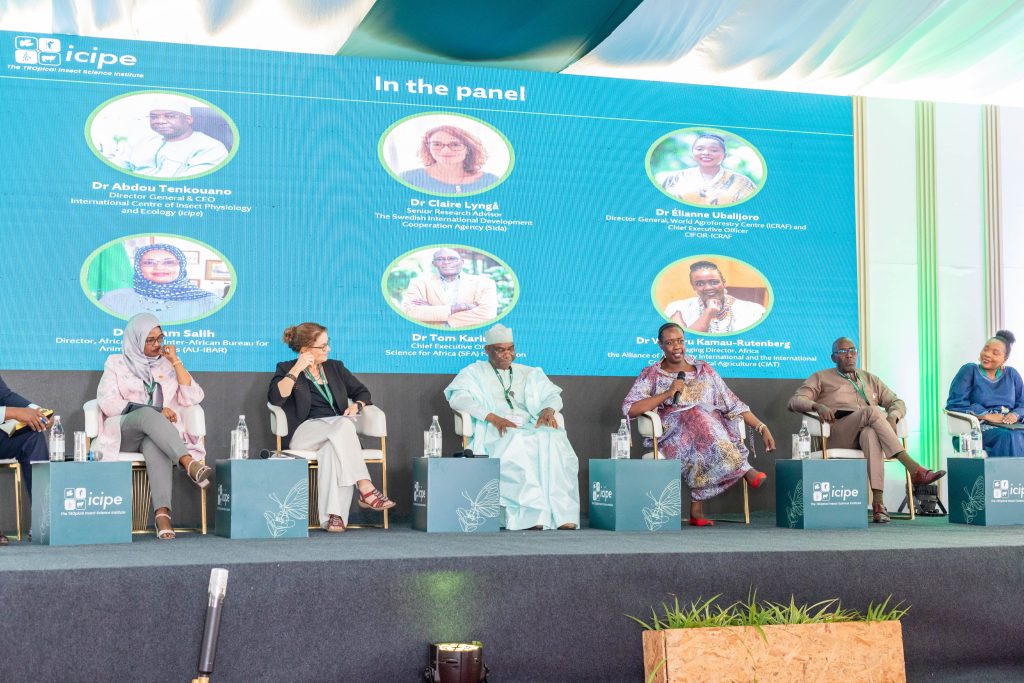
Dr. Tenkouano said the strategy marks a fresh chapter for the centre, anchored in its heritage but driven by a shared ambition to shape Africa’s scientific future. He thanked partners for their long-standing support and affirmed that icipe is now stronger and better positioned to deliver solutions for food security, health and climate resilience.
icipe Governing Council Chair Dr. Ylva Hillbur said the global research landscape is shifting rapidly due to emerging technologies, geopolitics and unpredictable funding. She said the new strategy gives icipe a strong foundation to improve scientific efficiency, reorganise program structures and align research with regional and global development goals.
Dr. Hillbur emphasised that the strategy links icipe’s four science themes plant, animal, human and environmental health under the One Health approach. She added that advanced platforms in biosciences, data analytics, capacity building and policy engagement will ensure that innovations move smoothly from the laboratory to the community.
Read more at:
She noted that the document reflects icipe’s 55-year journey and reinforces the need for deeper collaboration, equal partnerships and sustainable investment in research.
Renowned scholar Prof. PLO Lumumba lauded icipe as an “island of excellence” on the continent. He said Africa’s long struggle to finance its own scientific agenda remains a major setback and urged governments to increase funding for research and higher education.
Prof. Lumumba warned that Africa risks falling further behind if it continues to rely heavily on external donors. He challenged leaders to embrace long-term planning and support institutions like icipe, which consistently prove that the continent can produce world-class science. He closed by urging policymakers to provide stable financing and enabling environments so that African science can finally reach its full potential.
The launch of the icipe Vision and Strategy 2026–2030 signals a renewed push for African-led research and innovation — and a firm belief that the continent can generate solutions for its own challenges.