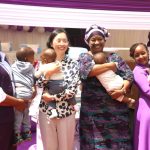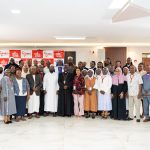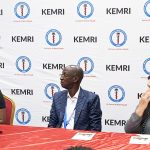
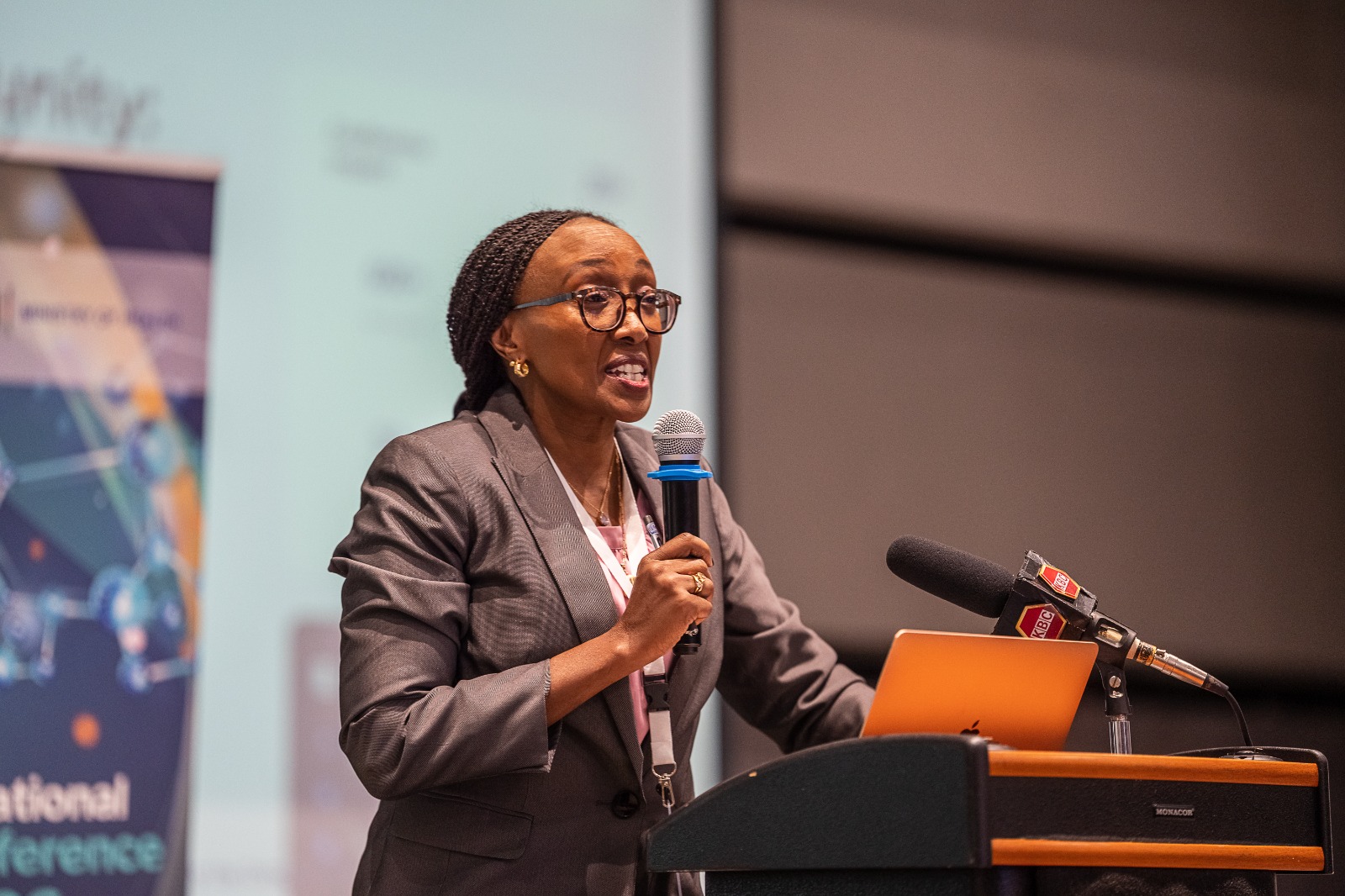
Dr. Gladwell Kiarie, Consultant Medical Oncologist at The Nairobi Hospital and President of KESHO, during the event.
By Peace Muthoka
Nairobi, April 17, 2026 — Kenya is preparing for a high-stakes cancer conference as experts warn that rising cases now demand faster action, stronger partnerships and better access to care.
Speakers at the KICC 2026 Partners and Sponsors Breakfast said the upcoming summit will focus on turning scientific progress into real benefits for patients, especially in low-resource settings where delays in diagnosis and treatment remain a major challenge.
Scientific Chair Dr Anne Mwirigi said the conference will be guided by three pillars: equity, relevance and scientific progress.
She noted that the meeting will run under the theme “Equity, Excellence and Sustainable Impact in Cancer Care,” placing patients at the centre of every discussion.
Dr Mwirigi said the programme has been carefully designed to address the full cancer care journey, from early detection to survivorship.
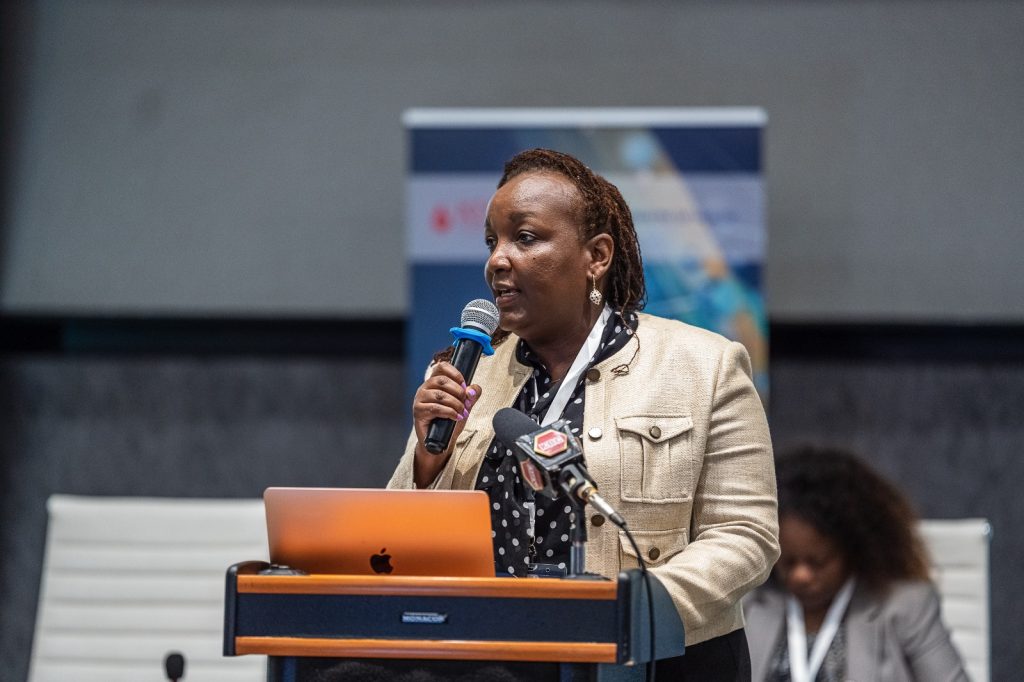
Dr. Anne Mwirigi, KESHO Secretary and
KICC 2026 Scientific Committee Chair
She outlined key focus areas, including patient-centred diagnostic pathways that improve access while embracing innovation. She added that universal health coverage and sustainable cancer financing will also take centre stage as policymakers and experts seek long-term solutions.
The programme will further examine how real-world evidence can improve care in limited-resource settings, where most patients are treated.
Dr Mwirigi said workforce challenges will also feature prominently, with sessions focusing on training, retention and practical experience for health professionals.
She added that survivorship and palliative care will receive equal attention, reflecting the need to support patients beyond treatment.
At the same time, the conference will highlight progress in radiotherapy and imaging, areas critical to improving diagnosis and treatment outcomes.
Technology will be a key thread across the programme. Dr Mwirigi said discussions will explore artificial intelligence, personalised medicine and the growing role of data in shaping cancer care.
She noted that experts will also address cancer care in conflict settings and the need to close gaps affecting vulnerable populations.
Prevention will remain central, with sessions on public health systems, screening, risk reduction and referral pathways.
Dr Mwirigi said the strength of the conference lies in its ability to connect science, policy and practice in one platform.
She explained that the meeting will bring together international faculty, African oncology leaders and multidisciplinary clinical teams.
“The programme has both regional and international reach,” she said, adding that it blends global expertise with African experience.
She noted that the conference will feature diverse forms of evidence, including practice-based insights and real-world data.
A dedicated “Evidence from the Field” session will give clinicians an opportunity to share frontline experiences and lessons.
Dr Mwirigi said the structure includes plenaries, disease-specific tracks, abstracts, posters and awards.
She explained that this approach ensures both breadth and clarity, while keeping discussions practical and relevant to everyday patient care.
She outlined the three-day flow of the conference, saying the opening day will focus on artificial intelligence, policy dialogue and contributions from international societies.
The second day will centre on practice-based evidence, including a rapid-fire “Evidence from the Field” session.
The final day will feature poster presentations, keynote addresses, best abstracts, awards and the closing ceremony.
KESHO President Dr Gladwell Kiarie said the conference comes at a critical time for Kenya and the region.
She noted that the Kenya Society of Haematology and Oncology is preparing to host the 9th Kenya International Cancer Conference, which will bring together more than 500 participants.
Over 30 speakers from at least 15 countries are expected to attend, making it one of the largest oncology meetings in the region.
Dr Kiarie said the forum will unite oncologists, nurses, radiologists, researchers, policymakers and patient advocates.
She noted that the goal is to share knowledge, strengthen systems and improve patient outcomes.
She highlighted KESHO’s role in shaping Kenya’s cancer response over the past two decades.
The organisation has contributed to the National Cancer Control Programme, developed treatment and screening guidelines and trained more than 1,000 health professionals.
Dr Kiarie added that KESHO has screened over 5,000 patients and partnered with more than 50 medical institutions.
She said the organisation continues to support continuous medical education, workshops and collaboration with civil society.
According to Dr Kiarie, the conference will address critical gaps that continue to affect cancer care.
These include delayed diagnosis, limited treatment capacity, weak patient support systems and gaps in data collection.
She said the meeting will promote best practices, strengthen referral systems and support the implementation of national guidelines.
The conference will also encourage research collaboration across institutions, helping to build a stronger evidence base for decision-making.
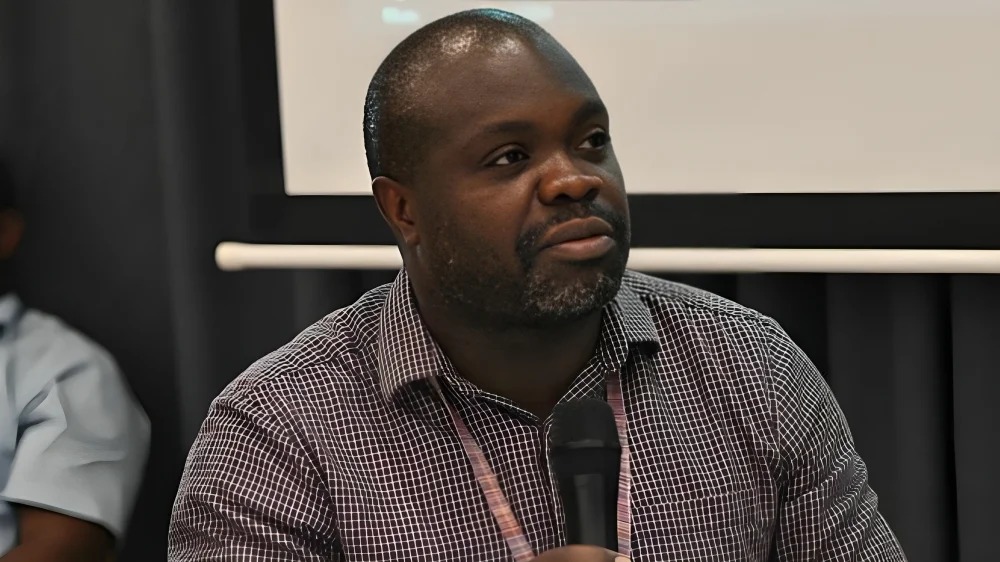
Prof. Chite Asirwa, KICC 2026 Conference Chair and CEO International Cancer Institute, Kenya
Meanwhile, Conference Chair Prof Fredrick Chite Asirwa warned that the growing cancer burden requires urgent and coordinated action.
He pointed to data showing that Kenya recorded 44,700 new cancer cases and 29,300 deaths in 2022.
Projections indicate that annual cases could rise to 99,600 by 2045 if current trends continue.
“If need is rising, partnership cannot stay flat,” he said.
Prof Asirwa described KICC 2026 as more than a conference, calling it a platform designed to translate science, systems thinking and partnerships into better outcomes.
He said progress in cancer care is no longer limited by innovation, but by how quickly that innovation reaches patients.
The conference, he said, will bring together scientific leaders, clinicians, policymakers and institutions in one trusted space.
It will focus on driving impact at three levels: community, clinical and health systems.
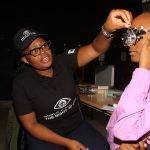
At the community level, activities such as a screening and wellness camp will help build trust and improve awareness.
At the clinical level, the conference will support knowledge exchange and practical dialogue on diagnosis and treatment.
At the systems level, it will create space for conversations on policy, financing, diagnostics and workforce development.
Prof Asirwa said KICC plays a unique role in influencing oncology adoption.
He explained that clinical decisions, referral patterns, education priorities and policy discussions often intersect at such forums.
The event is expected to host more than 600 delegates from over 20 countries and at least 18 specialist cadres.
These include oncologists, surgeons, pathologists, nurses, pharmacists, medical physicists, policymakers and researchers.
He said this mix creates a rare opportunity to engage professionals who define standards of care and shape oncology systems across Africa.
The programme will cover a wide range of areas, including diagnostics, treatment, artificial intelligence, health financing, workforce development and public health.
Prof Asirwa said the conference has been structured to ensure both visibility and relevance for partners.
He noted that aligning with live clinical and systems conversations increases the impact of participation.
The event will run as a full week of activities designed to maximise engagement.
A screening and wellness camp on November 15 will target at least 1,000 residents, offering high-visibility public health outreach.
Pre-conference workshops on November 18 will provide focused learning spaces, covering real-world data, leadership, radiation oncology and survivorship advocacy.
The main conference will take place from November 19 to 21 in Mombasa.
A gala dinner on November 20 will provide a platform for high-level networking and stakeholder engagement.
Prof Asirwa emphasised the importance of early partnerships in shaping the conference.
He said early partners are better positioned to align with priority themes, secure visibility and influence key conversations.
They also benefit from stronger integration into conference communications and planning.
He added that early commitment gives organisations a competitive edge.
“When competitors hesitate, an early partner looks decisive, visible and committed,” he said.
Organisers say KICC 2026 will provide a credible platform for advancing cancer care through scientific exchange, regional collaboration and visible leadership.
They are calling on stakeholders to support the initiative, noting that collaboration will be critical in improving diagnosis, treatment and referral systems.
With cancer cases rising and health systems under pressure, the conference is expected to shape policy, strengthen partnerships and accelerate access to quality care across Kenya and the region.
KICC 2026 will be held in Mombasa from November 19 to 21, with organisers urging stakeholders to seize the moment and help redefine the future of cancer care in Africa.