PM Party Raises Concern Over Kenya-France Relations After Africa Forward Summit
By Peace Muthoka.
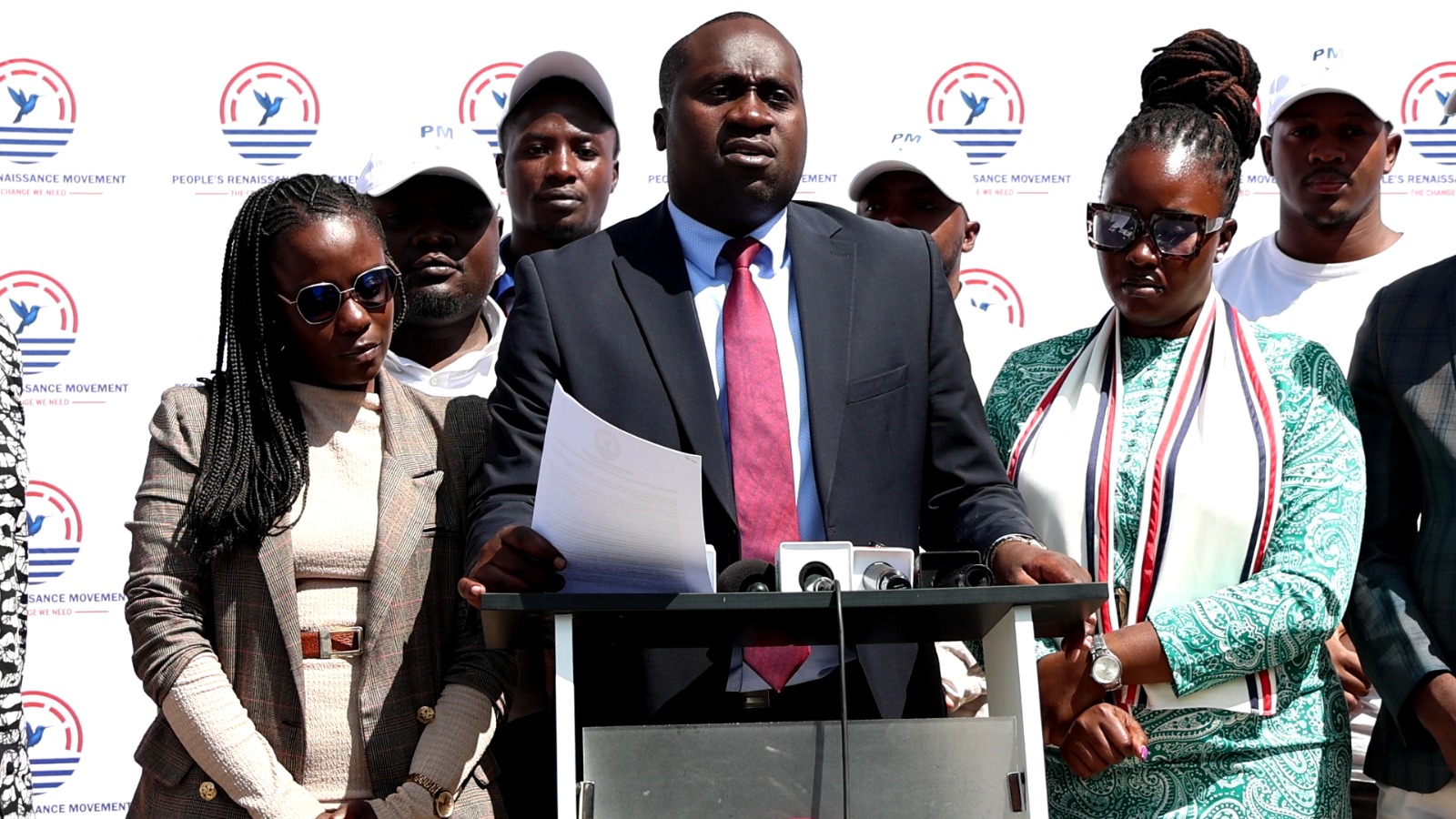
The Peoples Renaissance Movement (PM) has criticized the recently concluded Africa Forward Summit in Nairobi, warning that Africa could be drifting back into unequal foreign partnerships masked as diplomatic cooperation and development deals.
In a statement released after the summit, the party questioned the growing ties between Kenya and France following the high-level meeting co-chaired by President William Ruto and French President Emmanuel Macron.
The movement acknowledged that Africa must continue engaging with the international community through trade, technology, education, diplomacy, and investment. However, it argued that such partnerships should be founded on transparency, mutual respect, sovereignty, and fairness.
According to the party, African countries must remain alert to foreign agreements that may undermine the continent’s political and economic independence.
The PM Party revisited France’s historical role in Africa, especially in the Sahel region, where countries including Mali, Burkina Faso, and Niger have recently experienced growing anti-French sentiment.
The movement said frustrations over military involvement, foreign influence over strategic resources, and economic dependency have fueled resistance against France in several West African nations.
It cited Niger as an example, noting that despite being one of the world’s leading uranium producers and a key supplier to France’s nuclear energy sector, the country continues to struggle with widespread poverty.
The party described the situation as a symbol of the unequal economic relationships many Africans associate with the long-criticized “Françafrique” system.
The statement further claimed that France’s increasing engagement with Anglophone countries such as Kenya may be part of a wider effort to rebuild its influence in Africa after losing ground in parts of the Sahel region following the withdrawal of French troops and worsening diplomatic relations.
The PM Party also turned its attention to President Ruto’s administration, accusing it of contradicting its calls for global justice and democratic reforms while facing accusations of suppressing dissent locally.
The movement referenced allegations of extra-judicial killings, violent crackdowns on Gen Z protesters, and intimidation of government critics.
It also raised concerns about Kenya’s involvement in regional conflicts, particularly Sudan, arguing that Kenya should remain a neutral advocate for peace rather than appearing politically aligned in ways that could damage regional trust.
At the heart of the party’s statement was concern over growing military and strategic cooperation agreements between Kenya and foreign governments.
The movement questioned whether the agreements genuinely protect Kenya’s national interests or risk positioning the country as a strategic base for foreign geopolitical interests.
It also criticized alleged immunity arrangements granted to foreign actors operating in Kenya, insisting that citizens have a constitutional right to know the details of agreements signed on their behalf.
The PM Party is now demanding full public disclosure of all agreements, memoranda, and commitments signed between Kenya and France during and around the Africa Forward Summit.
The movement is also calling for parliamentary scrutiny of any military, economic, or strategic agreements entered into by the government, saying major foreign policy decisions should involve public participation and accountability.
The party urged Kenya to embrace a foreign policy guided by Pan-Africanism, constitutionalism, democratic accountability, and protection of national sovereignty.
“Africa does not need new managers of exploitation,” the statement said. “Africa needs partnerships built on truth, accountability, sovereignty, and justice.”