
Kenya Positions Itself as East Africa’s Healthcare Trade Gateway Ahead of WHX Nairobi 2026
By Peace Muthoka
NAIROBI, Kenya — Kenya is reinforcing its position as East Africa’s healthcare trade and distribution hub, driven by stronger regional trade corridors, expanding cross-border supply chains and rising demand for quality medical products across the region.
That growing influence will be in focus when WHX Nairobi 2026 returns to the Kenyatta International Convention Centre (KICC) from September 16 to 18, bringing together healthcare manufacturers, distributors, hospital leaders, policymakers, investors and technology providers from around the world to explore new business opportunities and partnerships.
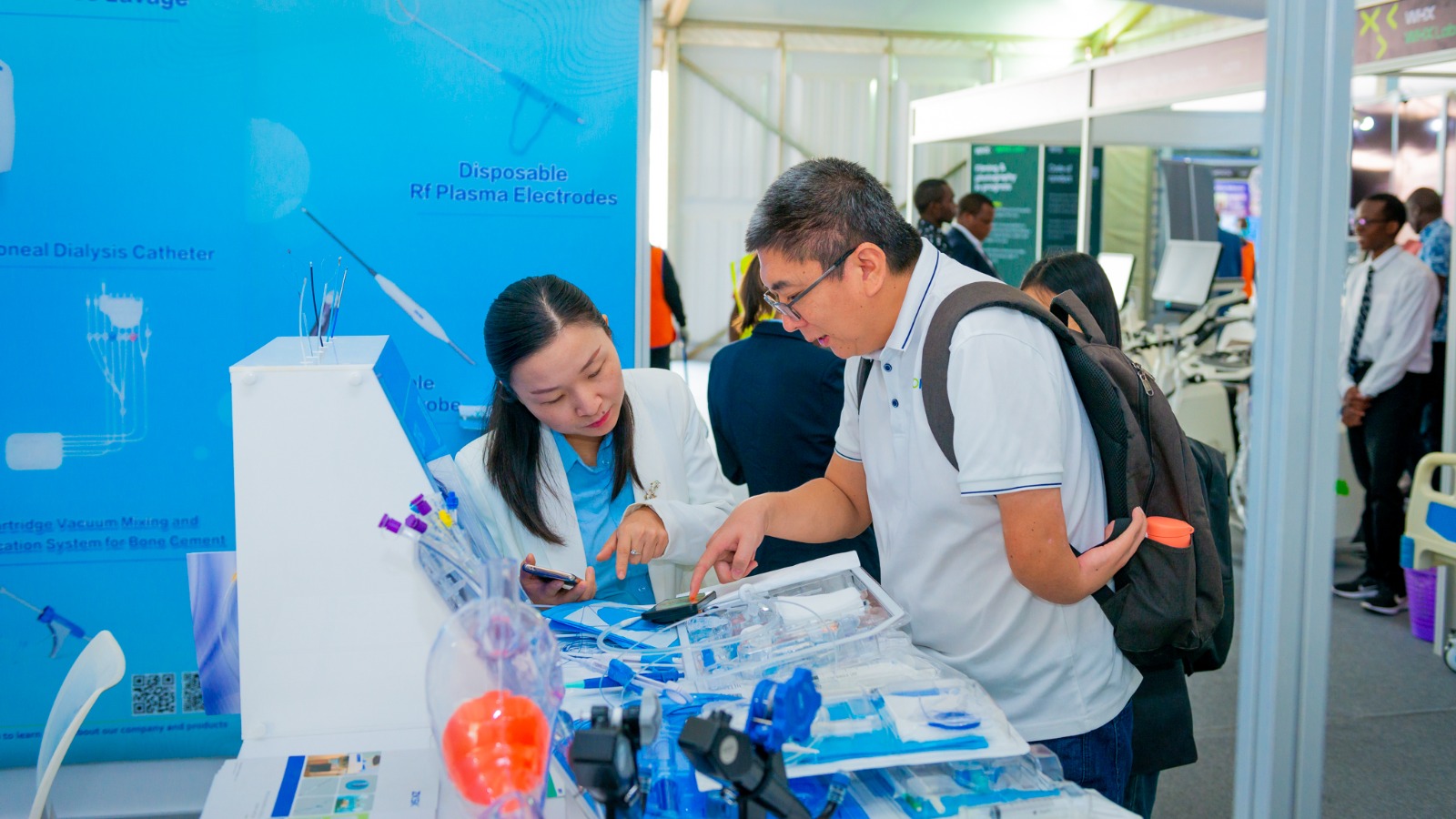
Now in its 10th edition, the event—formerly known as Medic East Africa—has evolved into one of the region’s leading healthcare trade exhibitions. Organisers expect more than 5,500 attendees, with nearly 40 percent travelling from outside Kenya. More than 200 exhibitors from over 30 countries are set to showcase cutting-edge medical technologies, healthcare equipment and innovative solutions, highlighting East Africa’s growing appeal as an investment destination.
The exhibition itself continues to expand. Compared with last year’s edition, organisers project a 22 percent increase in exhibitors and an 81 percent expansion in exhibition space to 4,500 square metres, reflecting growing confidence in the region’s healthcare market.
The event comes as East Africa’s healthcare sector experiences sustained growth. Industry projections estimate the region’s health and wellness market at USD 16.8 billion in 2025, with expectations that it will reach USD 23.6 billion by 2034. Meanwhile, the hospital market is projected to grow to USD 9.25 billion, while the pharmaceutical sector is expected to be worth USD 2.39 billion, creating significant opportunities for investment, procurement and medical distribution.
Experts attribute this growth to a rapidly expanding population, rising demand for healthcare services and improved regional connectivity, all of which have strengthened Kenya’s role as the preferred gateway for healthcare products entering East Africa.
However, they note that unlocking the region’s full potential will require closer collaboration among East African Community member states through harmonised regulations, streamlined trade systems and more efficient cross-border logistics.
Against this backdrop, WHX Nairobi aims to bring together manufacturers, distributors, hospital procurement teams, logistics companies and government agencies to forge partnerships that improve healthcare access and strengthen regional supply chains.
As part of the World Health Expo (WHX) Africa portfolio which also includes flagship healthcare exhibitions in Lagos and Johannesburg—the Nairobi edition focuses on connecting suppliers with buyers and decision-makers responsible for healthcare procurement across East Africa.
Speaking ahead of the exhibition, Tom Coleman, Portfolio Director for Healthcare at inD, said Nairobi has become a strategic meeting point for the region’s healthcare industry.
“WHX in Nairobi is where East Africa’s healthcare ecosystem comes together to do business,” Coleman said.
He noted that improving regional trade routes and increasingly integrated healthcare supply chains have positioned Nairobi as the destination where manufacturers, distributors, hospital groups and policymakers can build partnerships that expand access to medical products and strengthen healthcare delivery across East Africa.
The exhibition’s growing significance also mirrors broader trends across the region. Although demand for medical devices, diagnostics and digital health technologies continues to rise, many East African countries still rely heavily on imported medical products.
As a result, efficient procurement systems, robust logistics networks and reliable regional distribution channels have become increasingly important, further reinforcing Kenya’s role as a strategic entry point for companies looking to serve multiple East African markets.
World Bank data also underscores the country’s growing healthcare economy. Health expenditure accounted for 5.76 percent of Kenya’s Gross Domestic Product (GDP) in 2026, while per capita health spending reached USD 327.76, reflecting continued investment in healthcare services and growing opportunities for private-sector participation across the healthcare value chain.
This year’s exhibition will feature innovations across eight key healthcare segments, including medical devices and equipment, consumables and consumer healthcare products, orthopaedics and physiotherapy, imaging and diagnostics, healthcare services, digital health and information technology, healthcare infrastructure, and laboratory technologies.
The showcase is expected to demonstrate how technology, innovation and stronger supply chains are transforming healthcare delivery and improving patient outcomes across the region.
The commercial impact of the exhibition has also continued to grow. The 2025 edition generated an estimated USD 84.19 million in business, underscoring WHX Nairobi’s emergence as one of Africa’s most influential healthcare trade platforms.
Held under the patronage of Kenya’s Ministry of Health, WHX Nairobi has grown beyond a conventional exhibition into a strategic marketplace where governments, healthcare providers, manufacturers, investors and technology companies connect to advance healthcare innovation, strengthen regional trade and expand access to quality medical services.
Organisers say the 2026 edition will build on that momentum by creating new investment opportunities, deepening regional partnerships and further cementing Kenya’s position as East Africa’s commercial gateway for healthcare.