
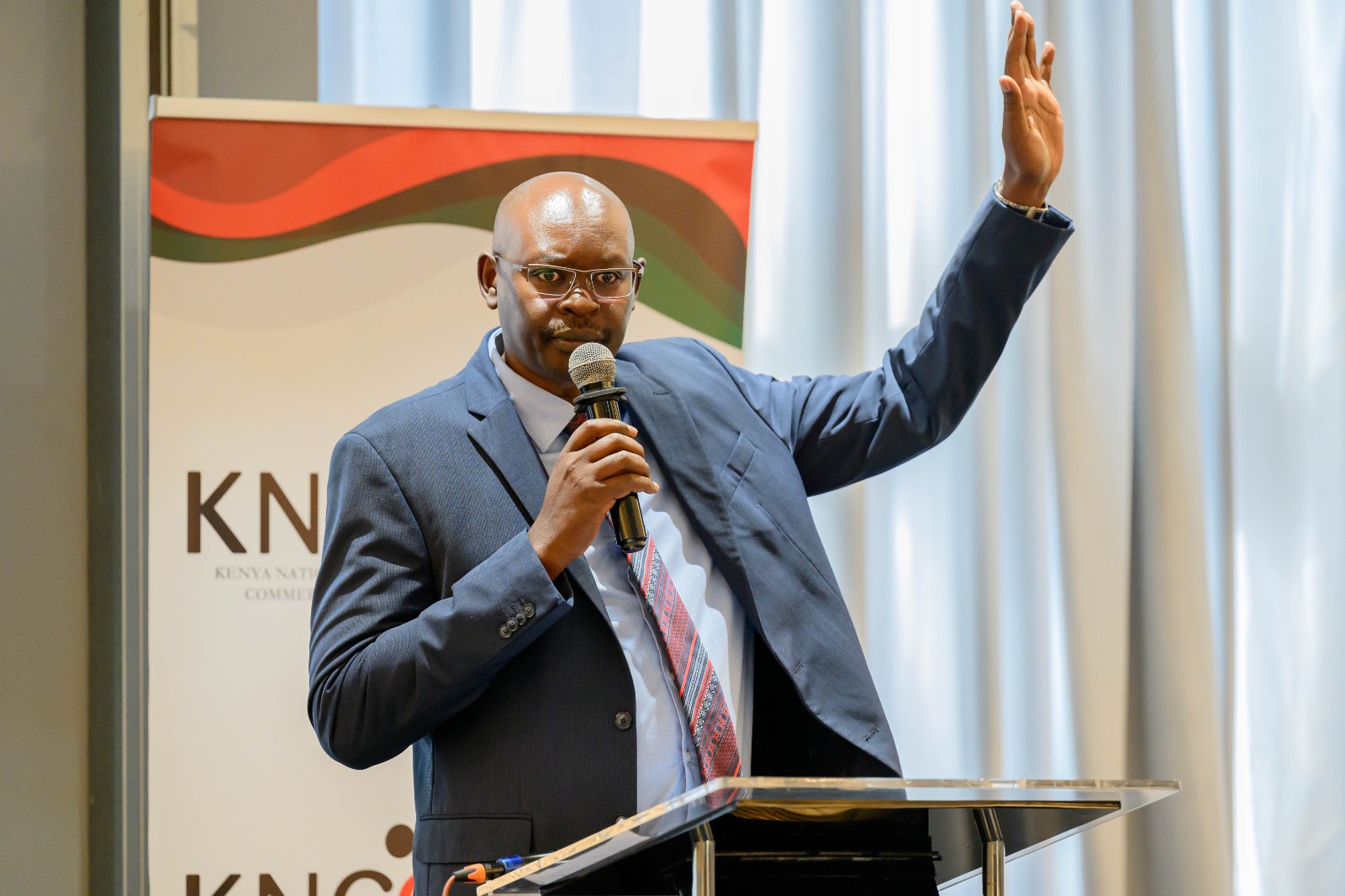
KNCCI President Dr. Erick Rutto speaking during the launch of Dubai Office at Nairobi hotel on Jan 15, 2025
By Peace Muthoka.
The Kenya National Chamber of Commerce and Industry has officially launched its first liaison office in Dubai, a move that could redefine how Kenyan businesses trade in the Middle East. Beyond the speeches and handshakes, the launch represented a response to losses that have quietly drained billions of shillings from the Kenyan economy.
The United Arab Emirates is Kenya’s fifth largest export destination, with trade volumes reaching about USD 401.5 million in 2023. Yet behind this growth lies a painful truth. Many exporters have lost their goods and never received payment. In some cases, entire containers of fresh produce disappeared into foreign markets without compensation.
KNCCI President Dr. Erick Rutto did not shy away from this reality. As he addressed the gathering, he described a system that had failed exporters for too long.
“We will no longer allow Kenyan exporters to be exploited,” he said. “The losses we have documented are unacceptable.”
Dr. Rutto revealed that the livestock sector alone loses an estimated Sh6 billion every year due to unpaid exports. He added that about 156 containers of fresh produce are lost annually to rogue importers, leaving farmers and traders counting losses instead of profits.
For years, exporters had no real support once their goods left Kenyan ports. When disputes arose, they faced foreign legal systems, language barriers and unresponsive buyers. The Dubai office is designed to close that gap.
The office will offer real-time market intelligence, buyer verification, payment follow-ups and rapid engagement with UAE authorities when disputes arise. For many in the room, this was the assurance they had waited years to hear.
Held under the theme “Empowering Exporters with safer payments, advanced due diligence and real time market intelligence,” the launch marked a turning point in how Kenya approaches international trade protection.
Mr. Salat Ali, Chairperson of the KNCCI Dubai Office, explained that the new mission will operate as a one-stop shop for Kenyan exporters. He outlined tools that will help traders vet buyers, secure contracts and access legal support.
“Our goal is to ensure that the export dream does not turn into a financial nightmare,” he said.
While the statistics painted a sobering picture, the most powerful moments came from voices that carried lived experience. Among them was Muthomi Ernest, CEO of the Avocado Society of Kenya. His words reflected years of frustration shared by farmers and exporters across the country.
“Our people lose a lot of money,” Ernest said. “Sometimes you send your produce, it reaches the market, and then you are told there is a payment issue. In some cases, nothing comes back.”
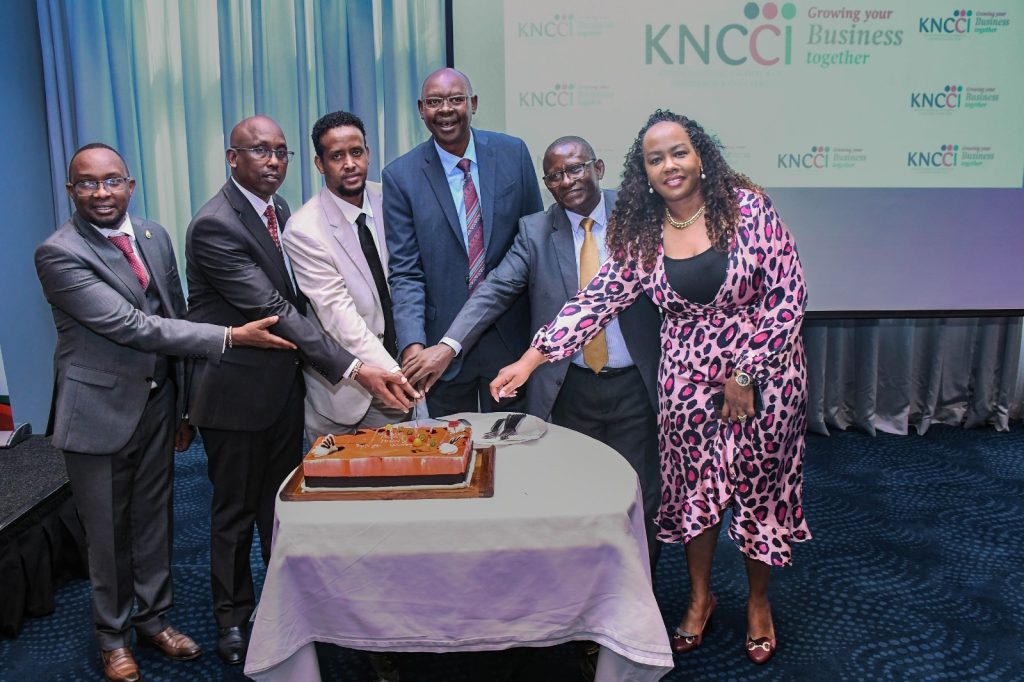
For avocado farmers, especially smallholders, one lost shipment can wipe out an entire season’s income. School fees go unpaid. Loans remain unsettled. Families feel the impact immediately.
Ernest described the Dubai office as a lifeline arriving at the right moment.
“This is a major milestone,” he said. “Having a KNCCI mission office in Dubai is a game changer for us.”
For the first time, exporters will have a physical presence on the ground, someone they can call, visit and rely on when things go wrong.
“For the first time, we have an office we can call and get a response when there is a problem,” Ernest said. “That gives exporters confidence.”
However, protection is only part of the story. The Dubai office will also focus on positioning Kenyan products more competitively in the market. Ernest believes Kenyan produce has often suffered not because of poor quality, but because of weak visibility.
“We are not the only exporters in Dubai,” he said. “If we don’t tell our story, someone else will.”
Through targeted marketing and branding, the office will help Kenyan exporters reach better buyers and negotiate fairer prices. This approach could stabilize demand and improve earnings for farmers back home.
The Avocado Society has already committed to working closely with KNCCI. Ernest revealed that the society represents more than 160 registered avocado exporters currently shipping to Dubai, a number that continues to grow each season.
As part of this partnership, the society will provide technical support to exporters, including quality checks, inspections and strict export protocols. These standards will also be enforced in Dubai to protect Kenya’s reputation and reduce disputes.
“When the product arrives in Dubai, there will be clear protocols,” Ernest said. “We will support our people on quality and compliance.”
The timing of the launch has given exporters renewed optimism. The avocado export season begins next month, and preparations are already underway.
“For me, this brings peace of mind,” Ernest said. “Now due diligence has been done.”
The launch also highlighted the vast untapped potential within the Gulf Cooperation Council market. Dr. Richard Kyuma, CEO of the National Livestock Development and Promotional Services, noted that Kenya supplies only 14 percent of the Gulf’s livestock demand, despite having more than 22 million cattle and 58 million sheep and goats.
With proper coordination and protection, Dr. Kyuma said the livestock sector could become a major driver of national economic growth.
KNCCI CEO Mr. KK Mutai reinforced this vision, stating that exporting should no longer feel like a gamble.
“Exporting should be profitable, not a risk,” he said.
He emphasized the Chamber’s role in authenticating goods through Certificates of Origin and providing strong arbitration frameworks to resolve disputes quickly and fairly.
As the event drew to a close, there was no loud celebration. Instead, there was quiet confidence. Exporters exchanged hopeful conversations. Farmers smiled cautiously. For many, this was not about expansion or prestige. It was about safety, trust and dignity in trade.
For Kenyan exporters who have carried fear each time their goods left the country, the KNCCI Dubai office represents a turning point. It offers protection where there was none, visibility where there was silence and support where there was isolation.
For leaders like Muthomi Ernest and the farmers he represents, it means something deeply personal. It means shipping produce without fear, telling Kenya’s story with confidence and finally having someone on the other end when help is needed most.