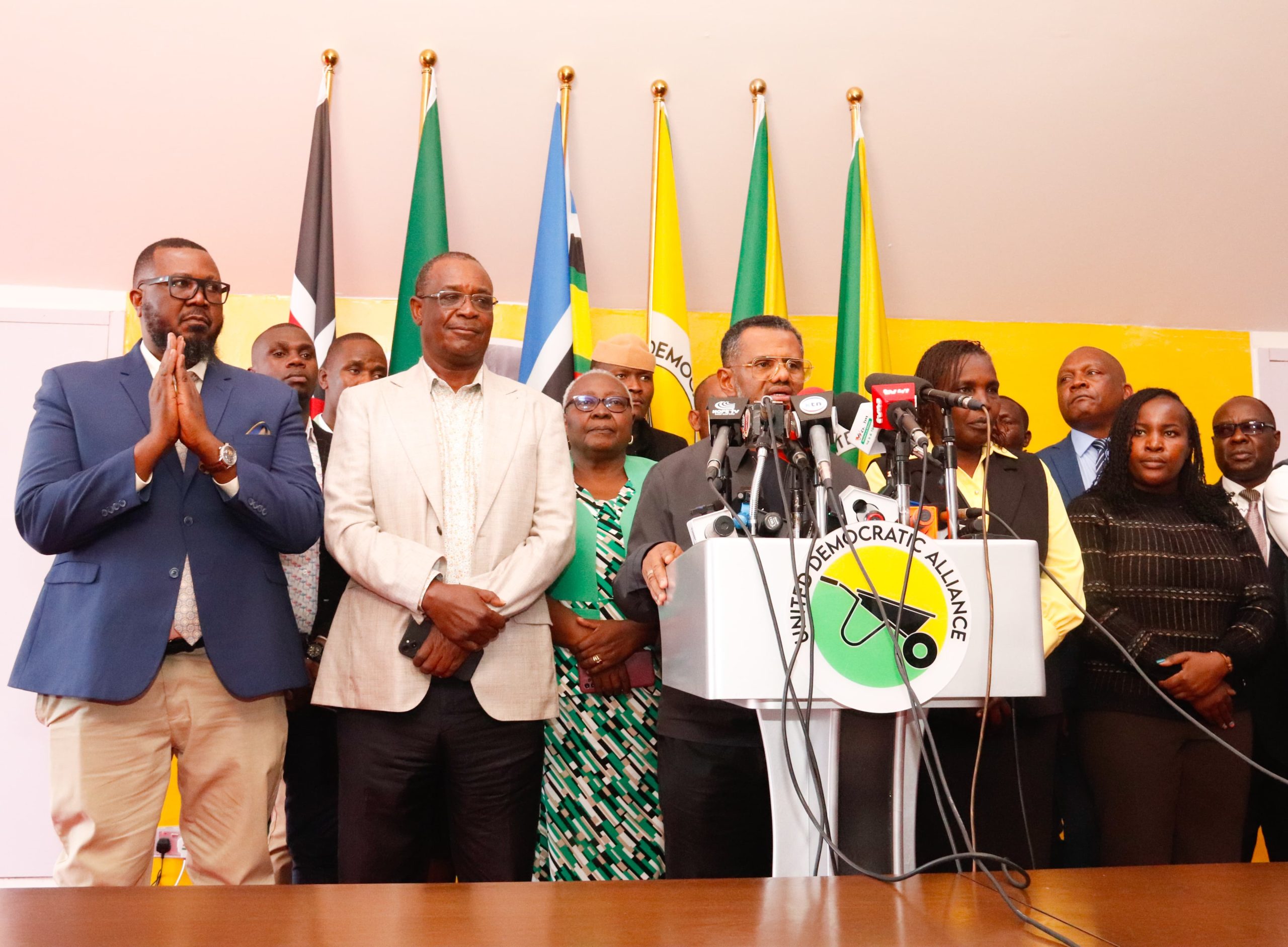
UDA Faults Sections of Media, Calls for Fair Reporting
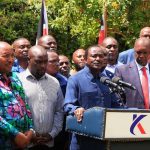
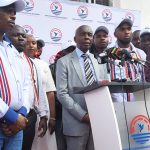
NAIROBI, July 3, 2026 — United Democratic Alliance (UDA) Secretary General Hassan Omar has launched a sharp criticism of sections of Kenya’s mainstream media, accusing some journalists and media houses of abandoning their watchdog role to pursue political interests.
Addressing the press on Friday, Omar said the credibility of the country’s media had steadily declined because some news organisations were no longer adhering to the principles of fairness, accuracy and editorial independence.
He claimed that several media houses, including Standard Group, Royal Media Services’ Citizen TV and Mediamax’s Kameme FM, had allowed politics to influence their editorial decisions. According to Omar, some editors, producers, anchors and reporters had become active political players instead of impartial journalists, a move he said had weakened public trust in the media.
The UDA Secretary General also criticised former President Uhuru Kenyatta, former Baringo Senator Gideon Moi and journalists Chacha Mwita and Linus Kaikai. He alleged that they had used national issues to advance political interests rather than encourage unity and constructive national dialogue.
Omar argued that the media must recommit itself to the core values of journalism, including factual accuracy, balance, accountability and intellectual rigour. He said the public deserves truthful information that is free from propaganda, speculation and unverified claims.
“The media must return to professional journalism and resist becoming a platform for political propaganda or misinformation,” he said.
He further expressed concern over what he described as a growing culture of sensationalism, saying some media outlets had prioritised ratings, political narratives and commercial interests at the expense of responsible reporting and thorough fact-checking.
According to Omar, such practices have gradually eroded confidence in the media and weakened its role as an independent institution that serves the public interest.
He also accused some television and radio personalities of crossing the line between journalism and political activism. Those wishing to participate in politics, he said, should resign from their media positions and seek public office instead of advancing political agendas from newsrooms.
On matters of national security, Omar claimed that some media organisations had unfairly targeted government security officials through their reporting. He cited Inspector General of Police Douglas Kanja, Interior Cabinet Secretary Kipchumba Murkomen, Interior Principal Secretary Raymond Omollo, the Ministry of Interior and National Administration and other security agencies, arguing that their work had been unfairly portrayed.
He further alleged that some broadcasters had increasingly offered extensive airtime to individuals accused of breaking the law, warning that such coverage risked glorifying unlawful conduct and undermining public confidence in the country’s security and justice institutions.
Omar maintained that a free and independent media remains essential in a democratic society but stressed that press freedom should be exercised responsibly and in accordance with the ethical standards that define the journalism profession.