
Spiro Expands Nairobi Battery-Swapping Network with New Westlands Mega Station
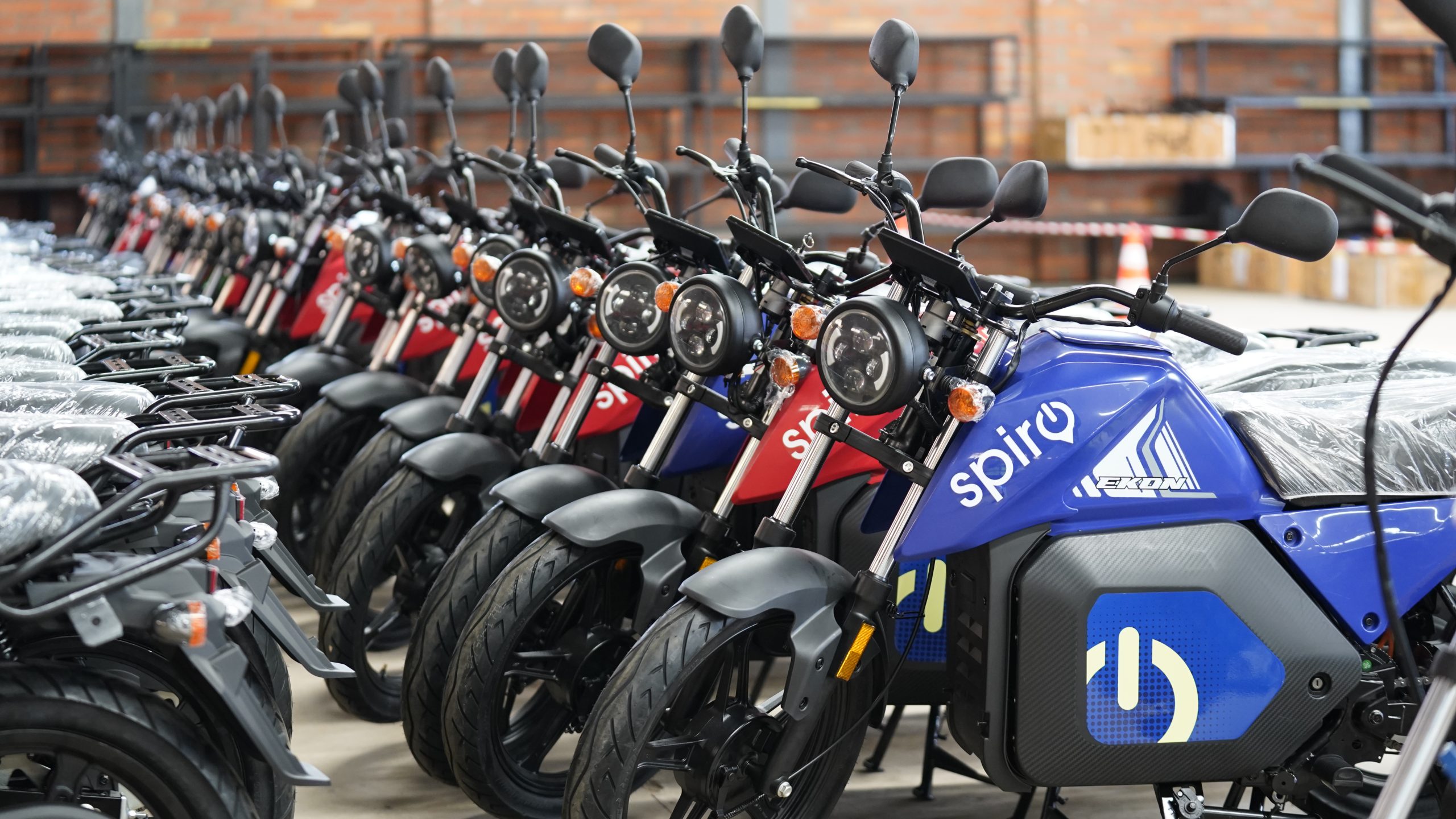
NAIROBI, Kenya — August 2026 — Electric mobility company Spiro has expanded its battery-swapping network in Nairobi with the launch of a new Mega Station in Westlands, increasing its capacity from about 40–50 motorcycles to as many as 200 bikes at a time.
The expansion comes as demand for electric motorcycles continues to rise, with the company seeking to make battery swapping faster, more convenient and more reliable for riders across the city.
For Spiro riders, the development means more batteries available at the station, shorter waiting times and less downtime, allowing them to spend more time on the road and less time waiting to swap depleted batteries.
Expanding access to convenient energy
The new Westlands Mega Station forms part of Spiro’s wider strategy to strengthen Kenya’s electric mobility infrastructure and support the growing number of electric motorcycles on the country’s roads.
Through its battery-swapping model, riders can exchange depleted batteries for fully charged ones within minutes instead of waiting for their motorcycles to recharge. As a result, the system helps reduce downtime while giving riders more predictable access to energy throughout the day.
Moreover, the increased capacity at the Westlands facility is expected to accommodate significantly more riders at a time, helping to ease queues and improve the overall experience for electric motorcycle users.
Building infrastructure around the rider
As electric motorcycles gain popularity in Kenya, reliable access to energy will be increasingly important to the sector’s long-term growth.
Against this backdrop, the Westlands Mega Station has been designed to serve higher volumes of riders at one of Nairobi’s major commercial and transport hubs. Rather than having riders wait for individual batteries to become available, the expanded facility provides greater capacity to keep them moving.
At the same time, Spiro plans to continue expanding its network of battery-swapping stations across Nairobi and other parts of Kenya. The company says the goal is to bring energy infrastructure closer to riders while creating a more connected and efficient electric mobility network.
This expansion also comes as Kenya advances its transition towards cleaner transportation. Electric two-wheelers are considered an important part of the country’s early shift to electric mobility, making investment in charging and battery-swapping infrastructure increasingly important.
Growing Kenya’s electric mobility ecosystem
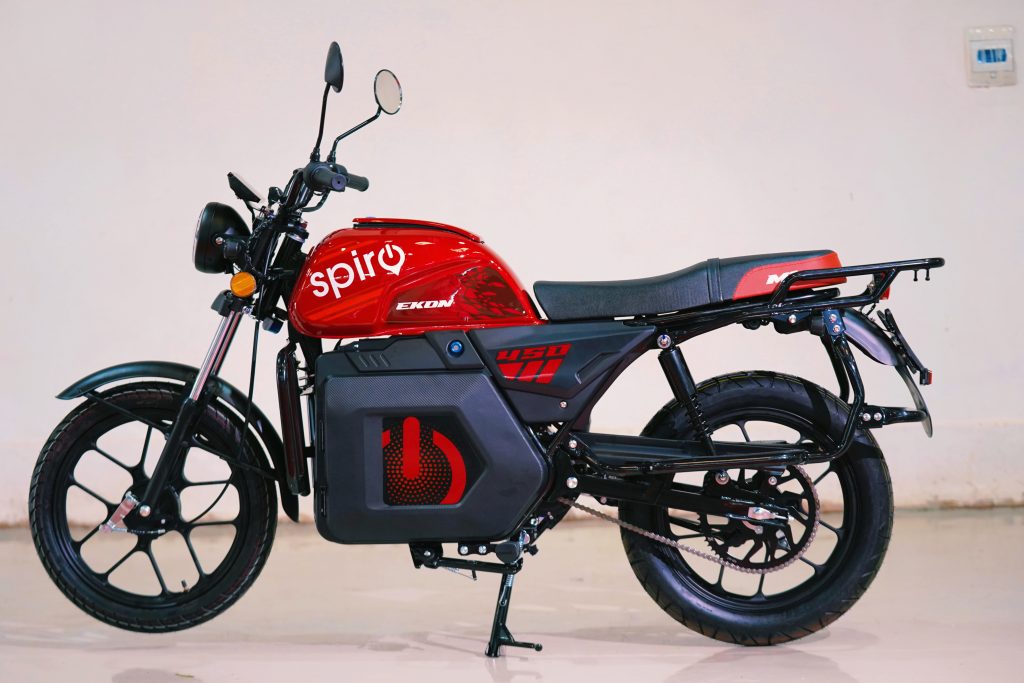
Beyond Nairobi, Spiro’s expansion is aimed at supporting a broader electric mobility ecosystem in Kenya by making electric motorcycles more practical for everyday use.
In particular, battery swapping can help address one of the key challenges facing commercial motorcycle riders—downtime. By allowing riders to replace depleted batteries within minutes, the model enables them to continue their journeys without lengthy charging breaks.
Consequently, greater availability of swapping stations could help make electric motorcycles a more attractive option for riders who depend on their bikes for daily income.
Spiro and Davido bring a new dimension to electric mobility
Meanwhile, Spiro is also expanding its product range and using partnerships with high-profile personalities to increase awareness of electric mobility across Africa.
The company recently unveiled a new generation of electric vehicles developed in collaboration with global music star and entrepreneur Davido, including the Davido Collectible and Alpha+ by Davido.
The new Davido-branded motorcycle is expected to become available for retail in Kenya soon, adding a lifestyle and cultural dimension to Spiro’s growing electric mobility offering.
The move comes as the company seeks to position electric motorcycles not only as an environmentally friendly alternative but also as practical and desirable products for a wider range of consumers.
More stations, less waiting
Looking ahead, Spiro says it will continue expanding its battery-swapping network in Nairobi and beyond as it works to bring energy closer to riders.
The Westlands Mega Station is therefore another step in the company’s effort to build an electric mobility system that can support riders at scale.
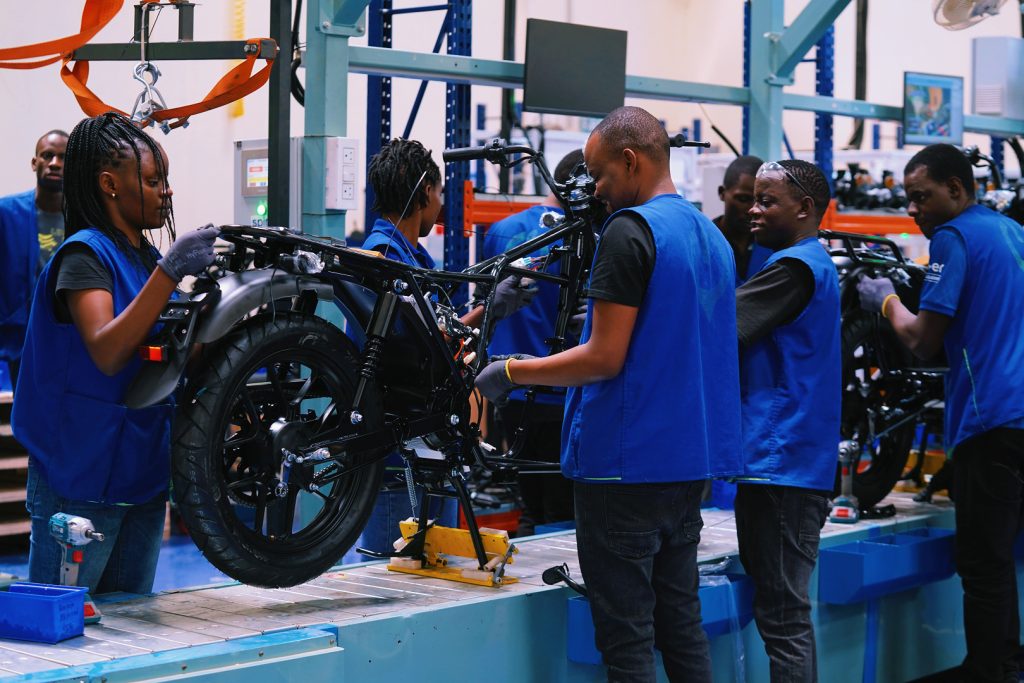
Spiro says it has deployed more than 100,000 electric vehicles and 2,500 smart battery-swapping stations across its markets, reflecting its growing footprint in Africa’s electric mobility sector.
Ultimately, the company’s expansion in Nairobi is aimed at making electric mobility more accessible and convenient for everyday riders while supporting Kenya’s broader transition towards cleaner urban transportation.