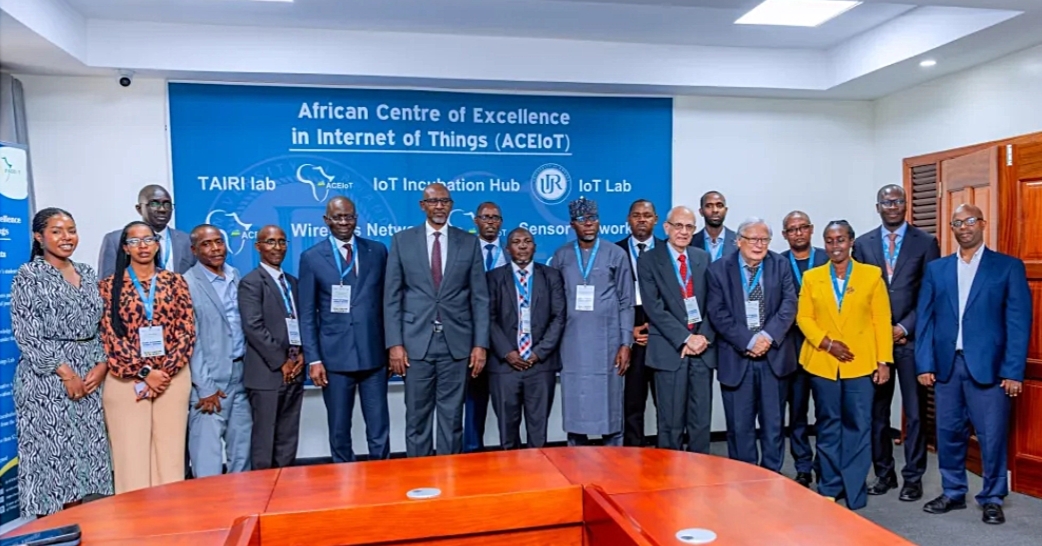
Participants pose for photo during the PASET Governing Council (GC) meeting in Kigali. Photo/PASET
By Peace Muthoka.
Kigali, Rwanda— The Partnership for Skills in Applied Sciences, Engineering and Technology (PASET) has launched its Charter, strengthening efforts to secure the long-term sustainability of African investment in postgraduate training, research and innovation.
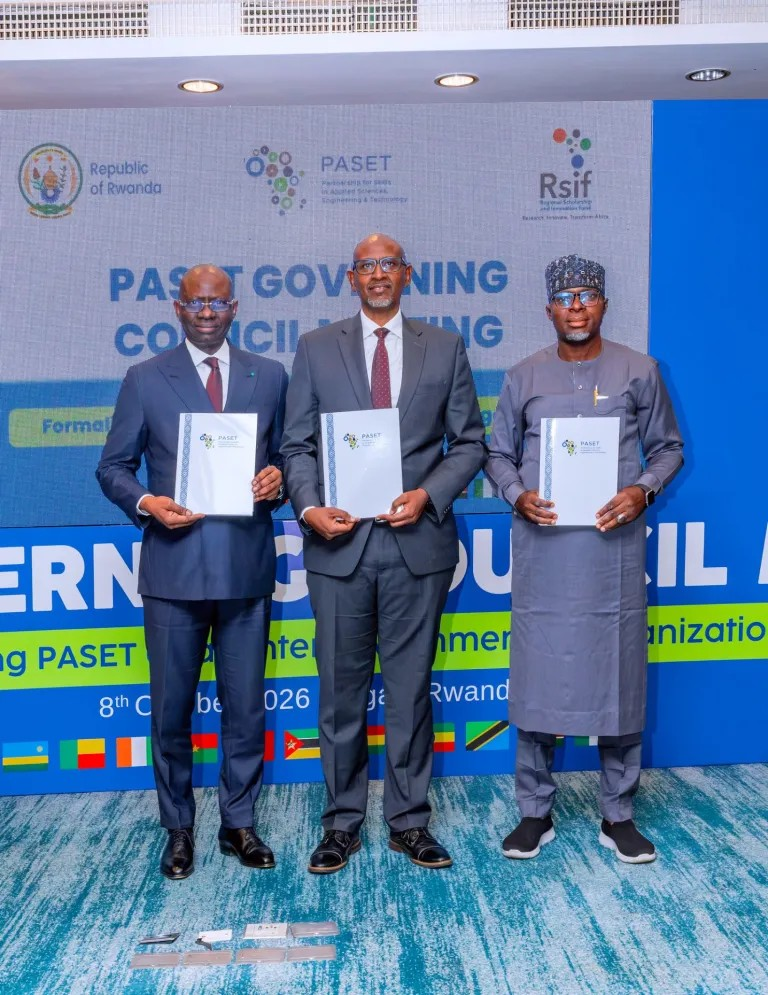
The Charter was signed during a PASET Governing Council meeting chaired by Rwanda’s Minister of Education, Hon. Joseph Nsengimana, in Kigali. Rwanda, Senegal and Nigeria signed the charter. The Charter will be transmitted through diplomatic channels to Mozambique, Kenya, Tanzania, Côte d’Ivoire, and Burkina Faso, who confirmed their commitment to sign it.
The Charter establishes the PASET as an intergovernmental organisation with international legal personality, giving it a formal institutional foundation to advance its mandate across Africa. It provides for a permanent Secretariat in Rwanda and defines three governance organs: the Governing Council, which sets strategic direction; the Executive Board, which oversees implementation; and the Secretariat, which coordinates day-to-day operations.
Beyond governance, the Charter sets out PASET’s ambition to strengthen education, research and innovation in applied sciences, engineering and technology. Its priorities include developing PhD-level expertise, supporting regional postgraduate scholarships, establishing centres of excellence, mobilising resources and helping African countries develop national action plans aligned with their skills and research priorities.
The Charter also formalises principles of African ownership, financial transparency, mutual accountability and results-oriented investment. Importantly, it recognises existing initiatives, including the Rsif and preserves member countries’ existing contributions and commitments, providing continuity as PASET transitions to a formal intergovernmental structure.
The meeting also examined member-country contributions to the partnership’s flagship Regional Scholarship and Innovation Fund (Rsif), which supports doctoral training and research at 15 African Host Universities (AHUs).
Presenting the status of country contributions, Dr Julius Ecuru, Head of the Integrated Policy and Stakeholder Engagement Platform at the International Centre of Insect Physiology and Ecology (icipe) emphasised the value of these investments in attracting additional support from international partners, including the World Bank, the Government of Korea, the European Union and the Carnegie Corporation of New York. Rwanda and Kenya had also renewed their contributions to PASET-Rsif in 2023 and 2024, respectively.
Rsif has enrolled 302 PhD scholars, including 116 graduates (42 female). The fund also supports research and innovation intended to strengthen Africa’s scientific and technological capacity. Expanding doctoral training is critical for strengthening Africa’s capacity to develop homegrown solutions to its challenges. This is backed by a study by the World Bank and Elsevier — A Decade of Development in Sub-Saharan African Science, Technology, Engineering and Mathematics Research (2014), which recommended greater investment in postgraduate education, research capacity and regional university collaboration. So far, 86 research and innovation grants from PASET-Rsif have enabled countries to convert scientific capacity into innovative solutions and stronger institutions across Africa.
The economic case for sustained investment in doctoral training is reinforced by the OECD and African Union Commission report Africa’s Development Dynamics (2024). Drawing on evidence from over 7600 firms across 27 African countries, the report highlighted the importance of specialised skills for developing technology-intensive industries including advanced manufacturing, renewable energy, electronics and pharmaceuticals. The report underscores the value of PASET investment in doctoral training in ASET fields to produce highly skilled African researchers to help the continent build the expertise needed to drive innovation and economic transformation.
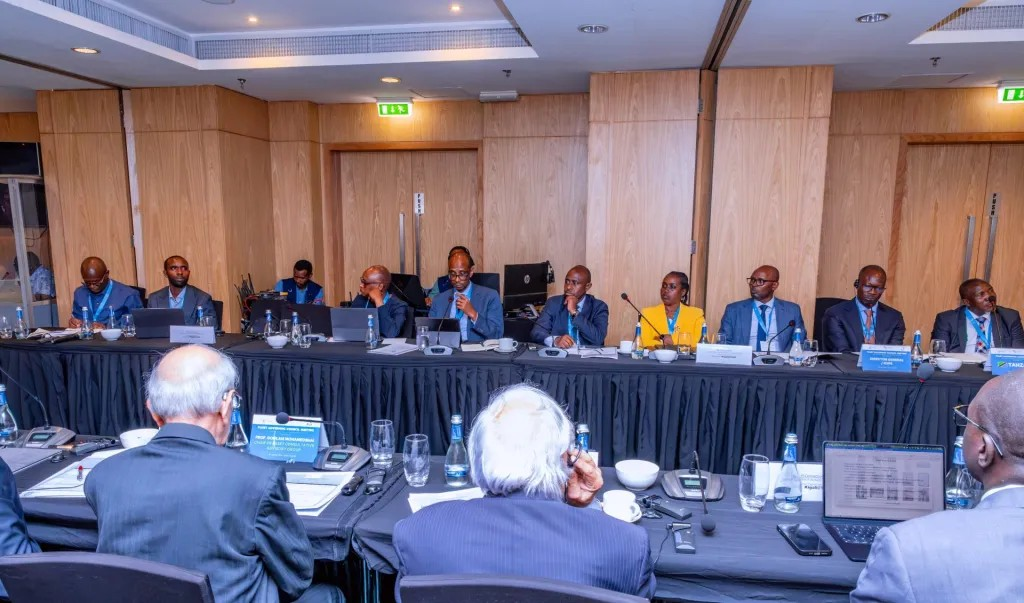
A session in progress during the PASET Governing Council meeting. Photo/PASET
The Charter is a starting point; its significance will ultimately depend on how effectively PASET and its member countries translate the strengthened governance framework into sustained investment, stronger African research institutions and research that responds to the continent’s development priorities.