
Kenya Launches 2026–2036 Roadmap for Bioeconomy Development to Drive Investment, Jobs and Innovation
By Peace Muthoka
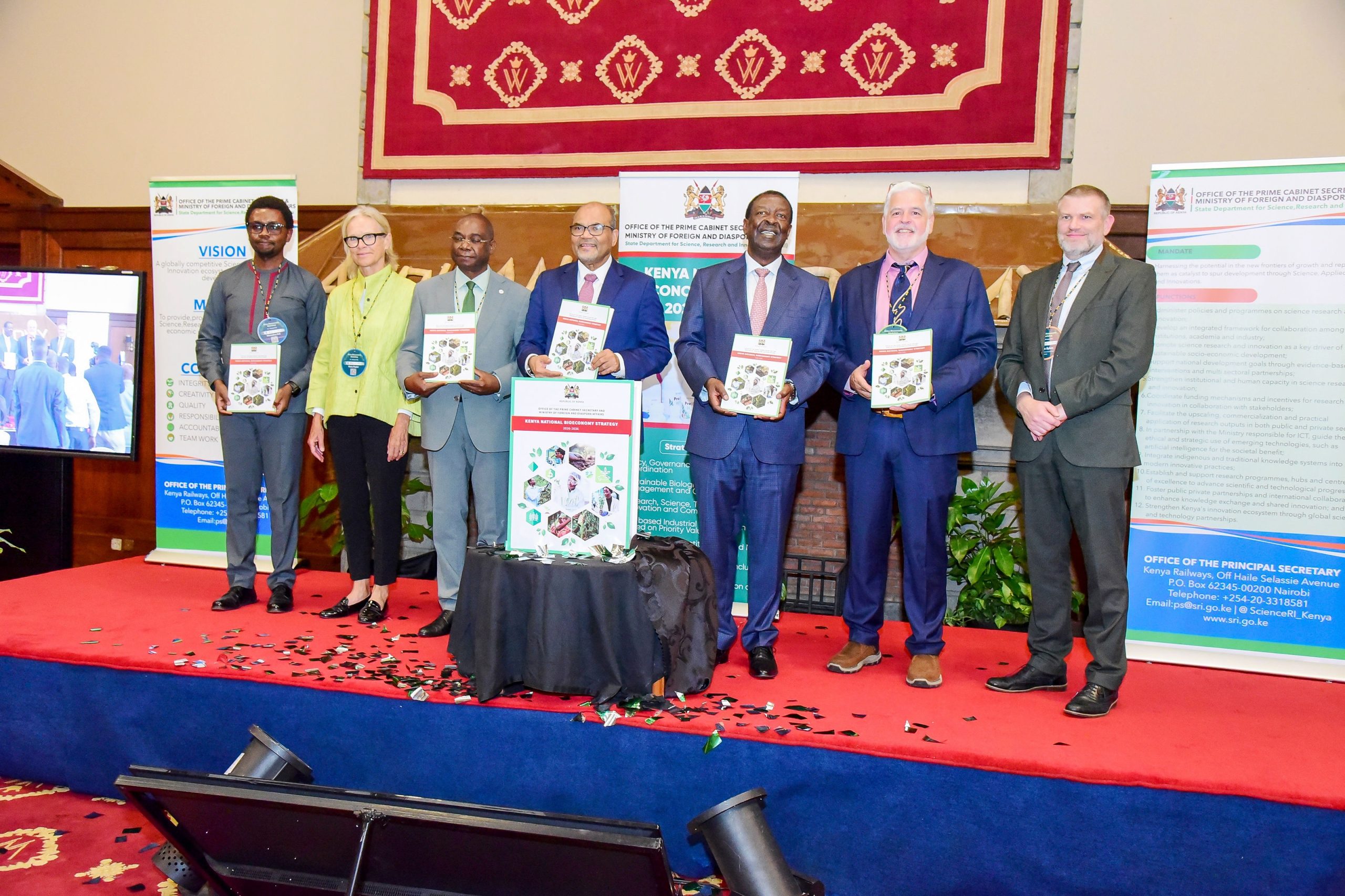
Nairobi, August 25, 2026 – Prime Cabinet Secretary and Cabinet Secretary for Foreign and Diaspora Affairs Musalia Mudavadi has launched the Kenya National Bioeconomy Strategy 2026–2036, setting the stage for increased investment in biological resources, research, innovation and bio-based industries.
Speaking during the launch in Nairobi on Tuesday, August 25, 2026, Mudavadi said Kenya must move beyond producing and exporting primary biological resources and instead focus on adding value locally.
He said the country has significant scientific knowledge, biological resources and entrepreneurial capacity that can be harnessed to create competitive products, businesses and jobs.
“A scientific discovery in a university or research institution is an important achievement,” Mudavadi said, noting that greater national value is achieved when research moves beyond the laboratory, attracts investment and becomes a commercial product, service or enterprise.
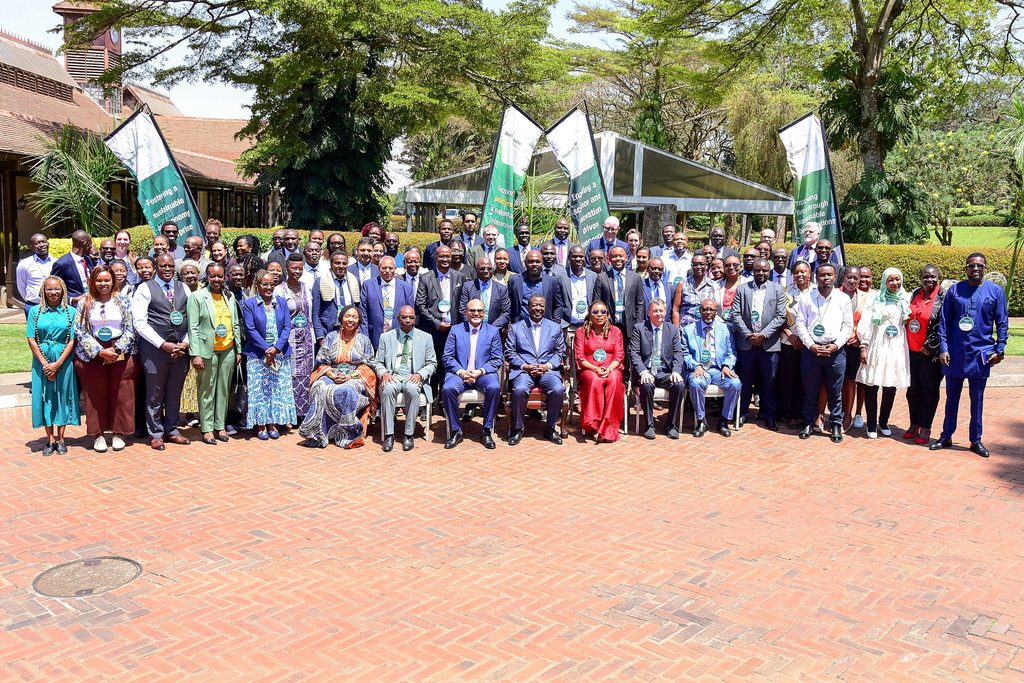
The new strategy comes as Kenya seeks to strengthen the connection between research, innovation, financing, industry and markets. Consequently, the government is calling for closer collaboration between public institutions, universities, the private sector, financial institutions, county governments and development partners.
Mudavadi said investment will be central to the strategy, adding that government resources alone cannot unlock the full economic potential of the country’s bioeconomy.
He said public investment should help attract private capital and strategic partnerships while reducing barriers facing innovation and enterprise development.
To support the initiative, the government plans to develop a Bioeconomy Investment and Financing Roadmap that will identify investment opportunities and connect priority value chains and enterprises with appropriate sources of finance.
Meanwhile, Principal Secretary for Science, Research and Innovation Professor Shaukat Abdulrazak said the government is working with universities and research institutions to ensure scientific research translates into products and services.
Abdulrazak said the State Department is working to improve access to finance, infrastructure, mentorship and markets while also developing bankable projects and financing instruments suited to bio-based enterprises.
The strategy is also expected to create opportunities for young people, women and communities. The government has set an ambition of generating KSh100 billion by 2036, with the target expected to translate into investments, enterprises, technologies, jobs and improved livelihoods.
Furthermore, Kenya plans to use its position within the East African Community and the wider African market to expand opportunities for bio-based enterprises. Regional cooperation could help strengthen cross-border value chains, expand markets and enhance scientific collaboration.
However, the government says successful implementation will require coordinated action. Researchers will need to generate solutions, entrepreneurs turn them into businesses, financial institutions provide suitable financing and industry create markets for new products.
Communities, too, are expected to benefit from the value created from Kenya’s biological resources.
Mudavadi said the success of the strategy will not be measured by the publication of the document, but by the industries that emerge, innovations that reach the market, enterprises that grow and the investments, jobs and livelihoods created.
The launch therefore marks the beginning of implementation, with the government expected to establish clear responsibilities, identify priority value chains and investment opportunities, and track progress against measurable outcomes.
Through the strategy, Kenya is now seeking to turn its biological resources and scientific capabilities into a stronger source of economic growth, employment and sustainable development.