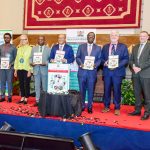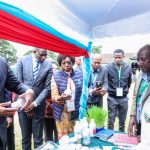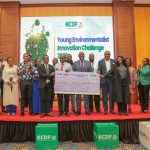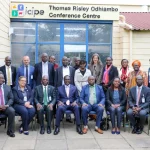
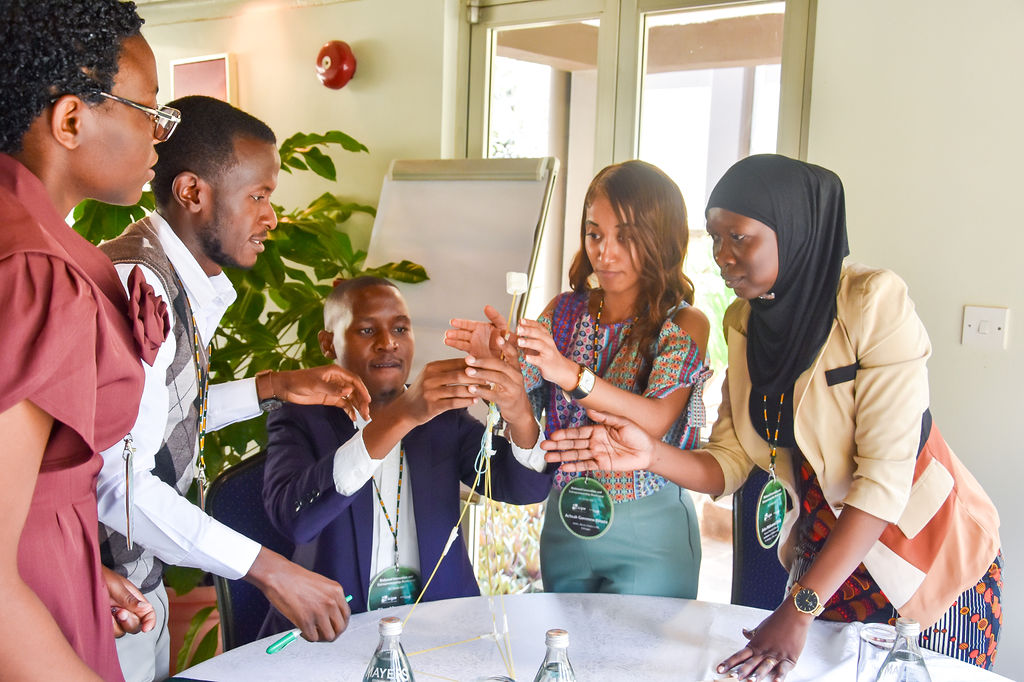
Innovators from across East Africa showcase their science-based business ideas during the the BioInnovate Africa Biobased Innovation and Entrepreneurship Bootcamp in Nairobi. The participants pitched solutions developed from scientific research aimed at advancing the region’s bioeconomy, creating jobs and addressing local challenges through sustainable innovation.
NAIROBI, July 24,2026 — BioInnovate Africa is stepping up efforts to unlock East Africa’s bioeconomy by helping researchers transform scientific discoveries into commercially viable businesses capable of creating jobs, improving livelihoods and addressing some of the region’s most pressing development challenges. Through its Biobased Innovation and Entrepreneurship Bootcamp, the programme is equipping innovators with entrepreneurial skills, mentorship and financial support to move their ideas from the laboratory to the marketplace.
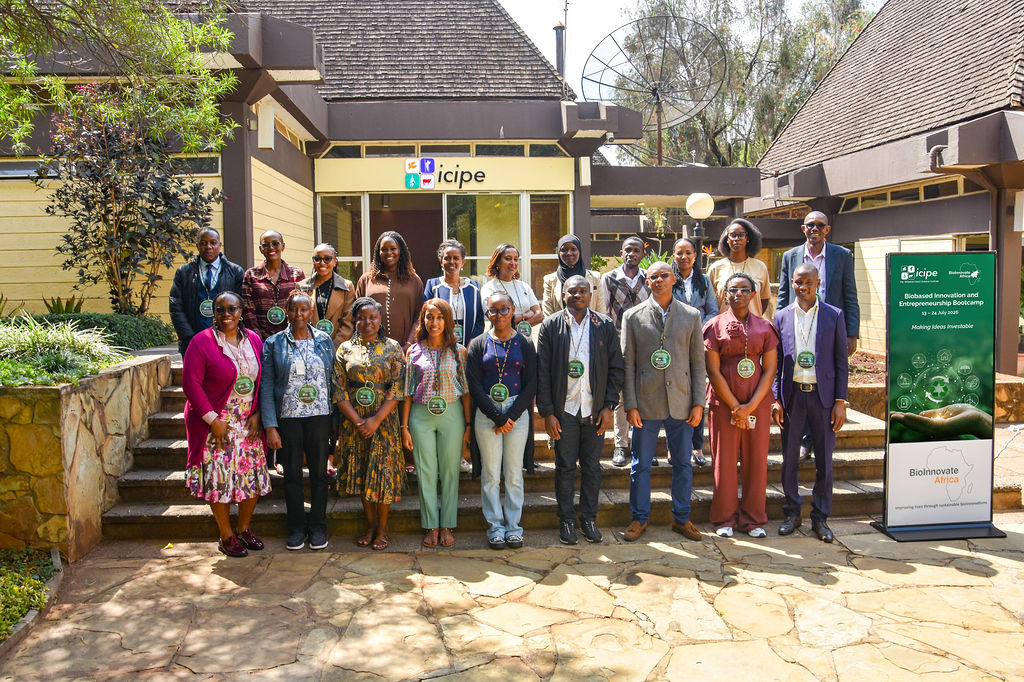
The initiative culminated in the grand finale of this year’s bootcamp in Nairobi, where 13 innovators from Kenya, Uganda, Tanzania, Ethiopia and Burundi presented science-based business ideas after completing an intensive two-week training programme. The fully funded fellowship, supported by the Swedish International Development Cooperation Agency (Sida), is designed to strengthen East Africa’s innovation ecosystem by ensuring promising research does not remain confined to academic institutions but instead evolves into products and enterprises that generate economic and social impact.
Speaking during the event, Prof. Ruth Oniang’o, a retired professor of Food Sciences and Nutrition and member of the BioInnovate Africa Programme Advisory Committee, said Africa possesses one of the world’s richest reserves of natural resources, giving the continent a unique opportunity to become a global leader in the bioeconomy.
She explained that the bioeconomy revolves around products derived from nature, including food, herbal medicines, cosmetics, organic fertilizers and other biological resources. As consumers across the world increasingly embrace healthier and environmentally friendly products, she said Africa is well positioned to meet that growing demand.
“People are becoming more conscious of what they eat, what they apply on their bodies and the products they use every day,” Oniang’o said. “Africa has what the world is looking for. The challenge now is to turn those natural resources into wealth, industries and opportunities for our people.
She noted that innovation begins with curiosity and scientific inquiry, urging young researchers to move beyond generating knowledge and instead focus on commercialising their discoveries. According to Oniang’o, Africa has for decades exported talented scientists and innovators while continuing to import products that could easily be developed locally.
“We should stop exporting our brains and importing products we are capable of producing ourselves,” she said. “Innovation should create jobs, build industries and drive Africa’s economic transformation.”
At the same time, she challenged journalists to become stronger advocates for science by helping the public understand how research and innovation improve lives. She said effective science communication is essential for encouraging greater public appreciation and investment in research-driven solutions.
Meanwhile, Dr. Julius Ecuru, Programme Manager of BioInnovate Africa at the International Centre of Insect Physiology and Ecology (icipe), said the bootcamp attracted 54 applications from across the region. Following a competitive selection process, 15 innovators were chosen, although 13 ultimately participated in the programme, with women making up the majority of the cohort.
Ecuru said applicants are selected based on the originality of their ideas, the strength of the underlying scientific research and the commercial potential of their innovations.
“We are looking for ideas that are innovative, grounded in science and capable of becoming sustainable businesses,” he said. “Our goal is to help researchers develop products that can solve real problems while creating economic value.”
Throughout the programme, participants received fully funded travel, accommodation and training, enabling them to refine their innovations by identifying target customers, evaluating market opportunities and strengthening their business strategies. Beyond classroom sessions, the innovators also participated in a regional learning tour to Arusha, Tanzania, where they visited the Nelson Mandela African Institution of Science and Technology, a large manufacturing company and a successful start-up founded by a university professor who transformed research into a thriving enterprise.
According to Ecuru, these visits exposed participants to practical examples of how universities, research institutions and industry can collaborate to accelerate innovation and economic development. The innovators also engaged with the East African Community to better understand the importance of regional partnerships, cross-border trade and harmonised policies in supporting the movement of researchers, scientific equipment and innovative products across the region.
Among the innovations showcased during the final pitching session was Vol-Binder Plus, a natural livestock feed additive developed by Ally Baholela Ally, a veterinarian and researcher at Sokoine University of Agriculture in Tanzania. Produced from volcanic clay and plant-based organic ash, the product is designed to protect livestock against harmful mycotoxins commonly found in cereal-based animal feeds, which are known to reduce animal health and productivity.
Ally said sub-Saharan Africa remains one of the regions most affected by mycotoxin contamination, yet many of the available toxin binders are imported, expensive and capable of addressing only a limited number of contaminants. Vol-Binder Plus seeks to offer farmers a more affordable and locally developed alternative, with an expected retail price of about US$3, compared to approximately US$5 for imported products.
The research team is now seeking US$24,000 to complete animal trials, obtain regulatory approvals, secure patent protection and establish pilot-scale production before commercial rollout.
Following the presentations, judges began evaluating the innovations, with BioInnovate Africa expected to provide financial support to between seven and ten of the most promising projects, depending on available resources. The funding is intended to help innovators move their products closer to commercialisation and attract additional investment.
However, despite the encouraging progress, Oniang’o warned that regulatory bottlenecks continue to slow the commercialization of many promising innovations across Africa. She said lengthy approval processes often discourage entrepreneurs and delay the introduction of new products into the market, even when they have demonstrated significant potential.
She called on governments, regulators and policymakers across the region to harmonise regulatory frameworks and create a more enabling environment for innovators without compromising safety standards.
Both Oniang’o and Ecuru expressed confidence that East Africa has the scientific talent and natural resources needed to build globally competitive bio-based industries. They said continued investment in innovation, research and entrepreneurship will not only create jobs but also position the region as a leading producer of sustainable natural products for regional and international markets.