
By Editorial Team
Having children is viewed in many cultures as an important part of family life, but social expectations can place pressure on couples who experience difficulties conceiving. According to Dr Charles Muteshi, a consultant fertility expert at Aga Khan University Hospital, couples need to understand that conception is not always immediate and that fertility challenges should be addressed together rather than through blame.
Muteshi says expectations about when couples should have children often overlook individual circumstances, including career aspirations and financial stability. Some couples also assume that sexual intimacy automatically guarantees pregnancy unless they use contraception, yet conception depends on several biological factors.
He says understanding these factors can help couples make informed decisions, seek medical advice when necessary and approach fertility challenges as a shared concern.
What determines fertility?
Fertility depends on several factors, including regular ovulation, open fallopian tubes, healthy sperm and regular sexual intercourse that allows the egg and sperm to meet and fertilise.
Muteshi explains that conception does not necessarily occur during every menstrual cycle, even when a couple has no identified fertility problem. Couples may therefore need to keep trying over time rather than assume that a delay automatically signals an underlying condition.
He says many couples conceive within 12 months of trying. However, the likelihood of pregnancy depends on individual circumstances, making it important to seek professional guidance when concerns arise.
How often should couples try to conceive?
Couples may focus their efforts on specific days of the menstrual cycle, particularly around ovulation. However, relying only on visible signs of ovulation can be misleading because some signs become apparent after the egg has already been released.
The egg typically remains viable for about 24 hours after ovulation, while sperm can survive for several days in the female reproductive tract. This difference creates a window during which fertilisation can occur.
Muteshi advises couples trying to conceive to have regular sexual intercourse two to three times a week, rather than depending exclusively on identifying the exact day of ovulation.
When should couples seek medical advice?
Couples should consider seeking medical advice when they are concerned that an underlying problem may be preventing conception. Although some causes may be apparent, others require medical assessment and appropriate tests to identify.
Muteshi encourages both partners to attend consultations together, saying this allows healthcare professionals to explain fertility issues, address misconceptions and reduce the tendency to blame one partner.
Joint consultations can also help couples understand the available treatment options and access additional support, including counselling where necessary.
What tests help identify fertility challenges?
A fertility assessment generally examines sperm health, ovulation and whether the fallopian tubes are open. Muteshi says investigations should follow a logical sequence, beginning with less invasive tests to help establish a diagnosis while avoiding unnecessary procedures.
Semen analysis assesses sperm parameters, while tests can establish whether ovulation is occurring. If these initial assessments do not explain the difficulty conceiving, checking the fallopian tubes may be the next step in determining whether natural conception is possible.
One commonly used procedure is hysterosalpingography (HSG), which involves introducing a special dye into the reproductive tract and taking X-ray images to determine whether the fallopian tubes are open.
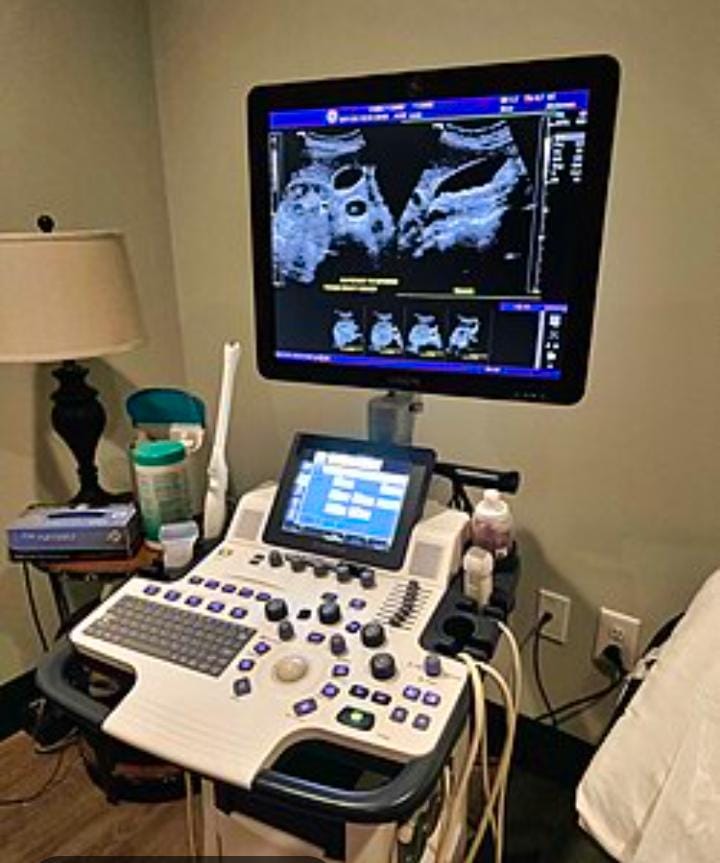
Another option is hysterosalpingo-contrast sonography (HyCoSy), which uses ultrasound and a special contrast agent to assess the tubes. It can also provide information about the uterus and ovaries, which an HSG does not provide in the same way.
According to Muteshi, HyCoSy can reduce the need for separate examinations and avoids the use of X-rays. However, the procedure requires a specially trained practitioner.
Treatment requires informed decisions and emotional support
Receiving a fertility diagnosis can be emotionally difficult, particularly when investigations identify conditions such as blocked fallopian tubes, severe sperm abnormalities or ovarian failure.
Muteshi says couples may experience frustration, anger and strain in their relationships as they try to understand their circumstances. He stresses that healthcare teams should provide empathetic support and involve counselling services where appropriate.
Treatment options should be discussed sensitively, taking into account the couple’s circumstances, values and preferences. Couples should receive clear, current information based on available evidence and have an opportunity to participate in decisions about their care.
One option for some couples is assisted reproductive treatment, including in vitro fertilisation (IVF). However, Muteshi notes that IVF can involve significant financial commitments, uncertainty about success and potential risks.
He says couples should not feel pressured into treatment before they understand the process and its implications. Having both partners attend consultations can help them discuss the available options and make decisions together.
Exploring other paths to parenthood
Where a particular treatment is unsuitable, unsuccessful or inaccessible, couples may consider other options depending on their circumstances.
These may include the use of donor gametes, adoption, foster parenting or surrogacy arrangements. Muteshi says such discussions require sensitivity and guidance from a fertility specialist, as couples may have different emotional, personal and practical considerations.
Support from family members and other people who have experienced fertility challenges can also help couples cope with the process. Muteshi identifies support groups such as Waiting Wombs Trust as one possible source of support.
In some circumstances, couples may also need to seek legal advice when considering alternative routes to parenthood.
Ultimately, Muteshi says fertility care should go beyond medical tests and procedures. A couple-based approach that combines appropriate investigations, clear information, shared decision-making and emotional support can help partners navigate fertility challenges with greater understanding and confidence.