
Political Parties Urged to Adopt Peace Charter Ahead of 2027 Elections
By Peace Muthoka
NAIROBI, Kenya, October 27, 2026 — Human rights organisations and electoral stakeholders have called for stronger accountability, impartial law enforcement and an end to political intimidation ahead of the 2027 General Election, warning that peaceful polls will depend on how authorities address violations before voting day.
The stakeholders said calls for peace must be backed by justice, protection of fundamental rights and firm action against political actors who incite violence, spread hate speech or undermine democratic participation.
Speaking during a multi-agency forum on human rights monitoring, national cohesion and the 2027 elections in Nairobi, Kenya Human Rights Commission (KHRC) Vice-Chairperson Betty Okero warned that growing political polarisation was being accompanied by intimidation, abductions, threats, disinformation and violence targeting people who express critical views.
Okero said journalists, human rights defenders, women and grassroots organisers were among those facing increasing pressure, regardless of their political affiliations.
She cautioned that allowing such violations to continue could undermine public confidence in democratic institutions and discourage citizens from participating freely in political processes.
“When law ceases to be the shield for our citizens, then you know what happens. Democracy dies,” she said.
Okero challenged state agencies, independent commissions and political parties to use their mandates to protect citizens, enforce the law fairly and hold those responsible for electoral malpractice accountable.
She also called for the protection of citizens’ constitutional rights to assemble, speak and organise freely, saying the rule of law should protect vulnerable people rather than punish those demanding accountability.
The concerns come as the National Police Service steps up preparations for the next election, with Deputy Inspector General of the Administration Police Service Gilbert Masengeli warning politicians and other electoral actors against hate speech, tribalism and election-related violence.
Speaking on behalf of Inspector General of Police Douglas Kanja during an election preparedness engagement, Masengeli said the police had developed a roadmap covering the period before, during and after the general election.
“The National Police Service has developed an election preparedness roadmap covering the period before, during and after the general election,” he said.
He said the preparations would prioritise cooperation with electoral stakeholders, professional and impartial policing, accountability, non-discrimination and adherence to the rule of law.
Masengeli added that the service would draw lessons from previous elections to strengthen security planning, train personnel, coordinate deployments and protect electoral officials, infrastructure and processes.
He also emphasised that the police would enforce the law against those involved in unlawful activities.
“The National Police Service will continue to enforce all laws of the land as mandated by the Constitution,” he said.
Political Parties Liaison Committee chairperson James Misati said political parties had a responsibility to ensure that competition for power did not threaten national unity or the safety of political opponents.
Misati said the committee provided a platform for registered political parties to engage on electoral issues and promote free, fair and peaceful elections.
He stressed that political civility did not require parties to abandon competition but demanded respect for the rights and safety of opponents and other citizens.
“You may defeat a party at the ballot, but you must never deny its right to exist,” he said.
Misati also called for political parties to commit to a Political Decency, Peace and Accountability Charter, saying its effectiveness would depend on whether parties enforced its principles among their own members.
He said the charter was expected to be presented to the parties’ plenary for consideration and adoption, after which the committee would review its implementation.
Misati urged Kenyans to reject leaders who incite violence, arguing that voters also had a responsibility to promote responsible political conduct.
“Challenge the record. Defeat the argument. Do not destroy the person and do not destroy the country,” he said.
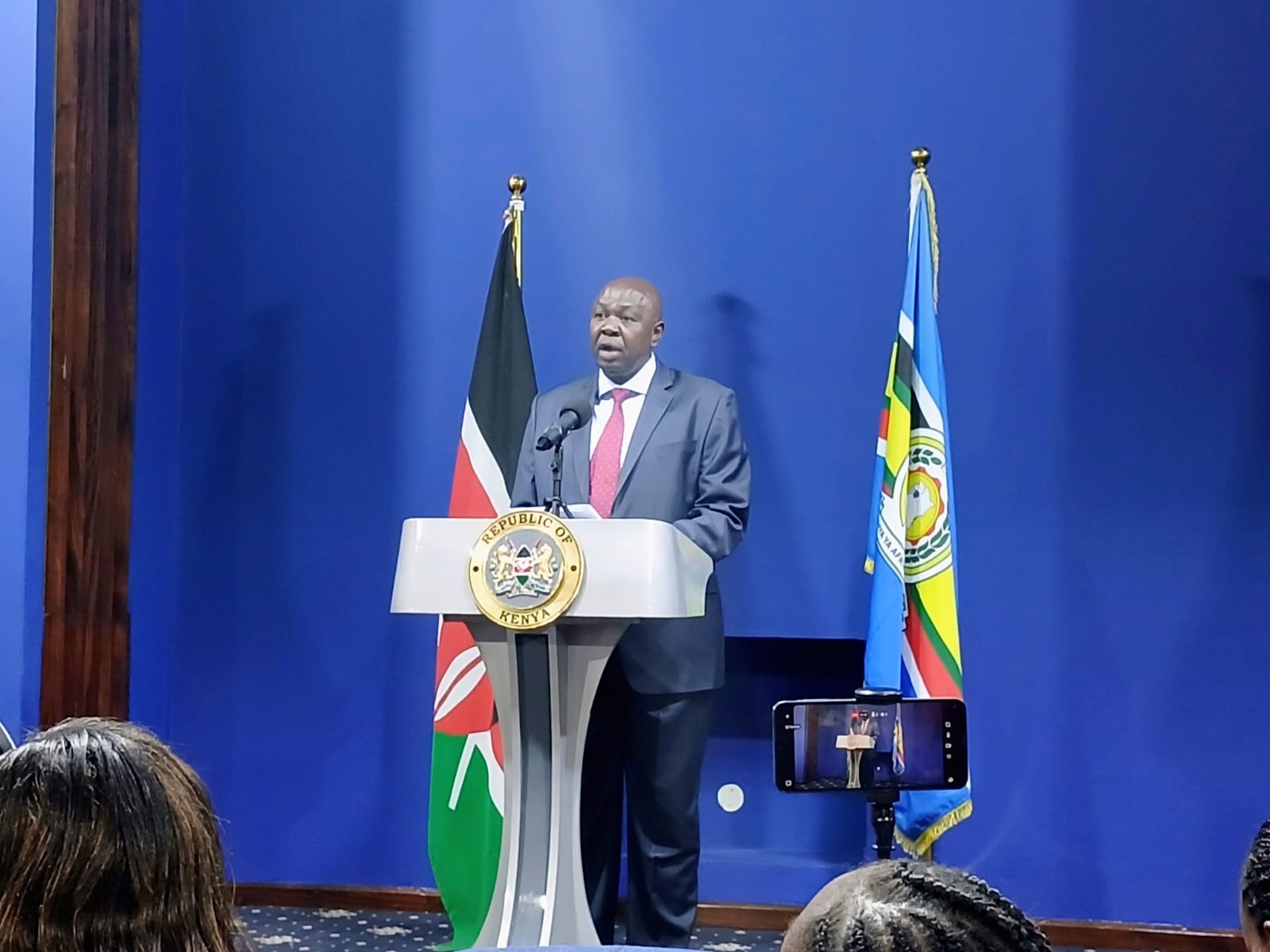
National Cohesion and Integration Commission (NCIC) Chairperson Dr Kepha Nyamweya said the forum demonstrated the need for state and non-state institutions to work together rather than operate in isolation.
Nyamweya warned that signs of political tension were already emerging, including disruptions at political gatherings, divisive rhetoric and the mobilisation of young people to cause disorder.
He called for early intervention to prevent such incidents from escalating into widespread violence as the country approaches the 2027 polls.
Nyamweya said the proposed political decency, peace and accountability charter would commit political parties to constitutional values and peaceful competition.
Among its proposed commitments are rejecting hate speech and violence, respecting opponents’ right to campaign, avoiding discrimination and preventing the unlawful use of children and young people in political activities.
He urged political parties to ratify the charter and demonstrate their commitment through responsible conduct before, during and after the election.
Nyamweya also cited Articles 81 and 33 of the Constitution, which provide for elections free from violence, intimidation, improper influence and corruption, while excluding incitement to violence from the protection of freedom of expression.
The stakeholders stressed that credible elections depend on protecting human rights throughout the electoral process, not merely on voting and counting ballots.
They called for stronger coordination among electoral bodies, security agencies, political parties, human rights institutions and civil society organisations to improve early-warning systems, reporting of violations and accountability.
The forum builds on a series of peace and cohesion engagements ahead of the 2027 General Election, including the Amani National Conference held on September 14 and 15, 2026, where stakeholders committed to a peaceful, inclusive and accountable electoral process.
The meeting was organised by the NCIC, the Kenya Human Rights Commission and other electoral and governance stakeholders seeking to strengthen cooperation and prevent election-related violence.
The participants said the ultimate test of election preparedness would be whether every Kenyan could campaign, express political views, assemble and vote freely without fear, discrimination or intimidation.