China, Africa Deepen Wildlife Conservation Cooperation Through Technology and Community Action
By Staff Reporter
NAIROBI, Kenya, August 29, 2026 — Conservation experts from China, Kenya and Tanzania are calling for stronger collaboration in protecting biodiversity, with technology, community involvement and youth education emerging as key areas for joint action.
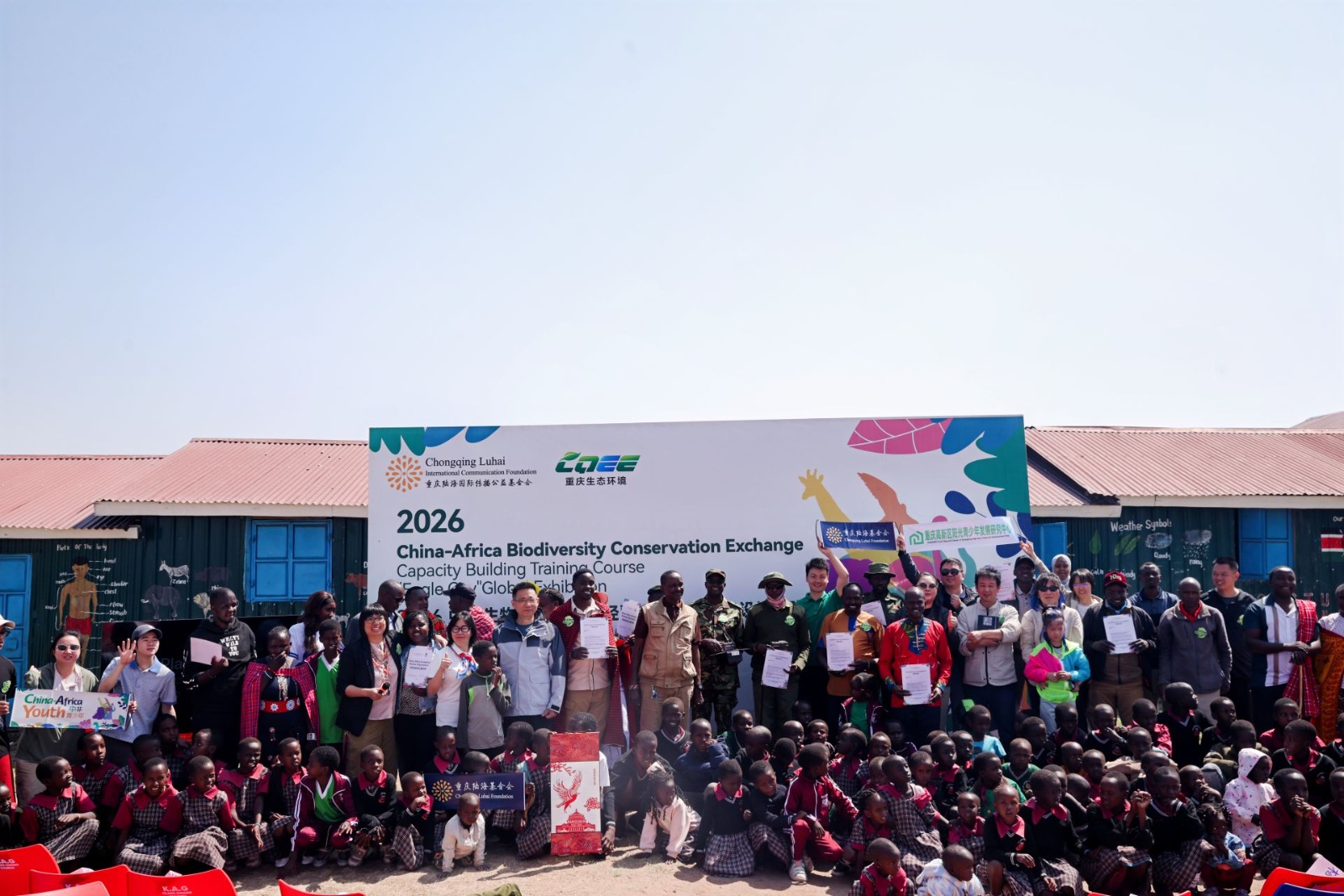
The call came during the China-Africa Biodiversity Conservation Exchange and Training Course and the “Eagle City” Global Exhibition held in Kenya, which brought together conservation agencies, protected-area managers, non-profit organisations and universities.
The exchange gave conservation practitioners an opportunity to share experiences on protecting wildlife and ecosystems while finding ways to strengthen relationships between communities and nature.
For Eston Murithim, chairman of the Adept Conservation Network, involving communities is critical to successful conservation.
Murithim said his organisation works with local residents through skills training, community patrols, seedling cultivation, ecological restoration and environmental education.
The approach, he said, not only helps protect forests, rivers and wetlands but also creates opportunities for communities to participate directly in conservation and reduce human-wildlife conflict.
Similar efforts are being undertaken in Tanzania.
Zakayo Lairumbe Kipuyo, founder of the Joy and Hope for Rural Community Foundation, shared experiences from Arusha, where communities are involved in restoring forests, protecting water sources and maintaining wildlife migration corridors.
The organisation also promotes environmentally friendly livelihoods, allowing communities to benefit from conservation while reducing pressure on natural resources.
Technology strengthens wildlife protection
Beyond community action, technology is increasingly becoming an important tool in protecting wildlife and preventing conflict.
Aminga, a senior researcher at the Kenya Wildlife Service, said GPS collars fitted on lions in the Maasai Mara enable conservationists to track their movements and alert communities when the animals approach settlements.
The early-warning system gives residents time to secure their livestock and helps reduce the likelihood of retaliatory killings of lions.
Technology is also being used to protect rhinos in the Maasai Mara.
Stephen Kenta, a rhino and cheetah expert at the Mara National Reserve, said a smart conservation command centre monitors rhinos fitted with geo-tagged ear tags.
The system can trigger alerts when the animals move towards reserve boundaries, allowing conservation teams to respond quickly. Infrared cameras are also being used to identify and document rhinos in the reserve.
Peter Sankai, warden of the Mara National Reserve, said future China-Africa cooperation should place greater emphasis on conservation technology and exchange programmes.
He said field visits, equipment and technical support could help conservation teams strengthen patrols and learn from approaches used in other countries.
Learning from China’s conservation experience
China also shared lessons from its biodiversity conservation efforts.
Liu Ming, deputy director-general of the Chongqing Municipal Ecology and Environment Bureau, highlighted initiatives in urban conservation, migratory raptor monitoring and habitat restoration.
He said Chongqing had implemented a 10-year fishing ban along the Yangtze River while carrying out species surveys and restoring habitats.
The region is home to nearly 6,000 wild vascular plant species, more than 800 terrestrial wild vertebrate species and over 180 river fish species.
The “Eagle City” exhibition showcased Chongqing’s efforts to protect migratory raptors, with hundreds of thousands of birds passing through the region during their spring and autumn migrations.
The city has established monitoring networks, satellite tracking systems, wildlife rescue platforms and bird-friendly habitat zones as it seeks to balance urban development with biodiversity conservation.
As part of the exchange, conservation equipment, including infrared cameras, radar cameras and bird acoustic-signature monitors, was donated to the Maasai Mara National Reserve and the Adept Conservation Network.
The Chongqing Luhai International Communication Foundation also recognised several African organisations and institutions as “China-Africa Public Welfare Friendly Partner Institutions.”
They included the Joy and Hope for Rural Community Foundation in Tanzania, Mara Birds of Prey Conservation Organisation and Maasai Mara University.
Putting young people at the centre
The exchange also placed young people at the heart of future conservation efforts.
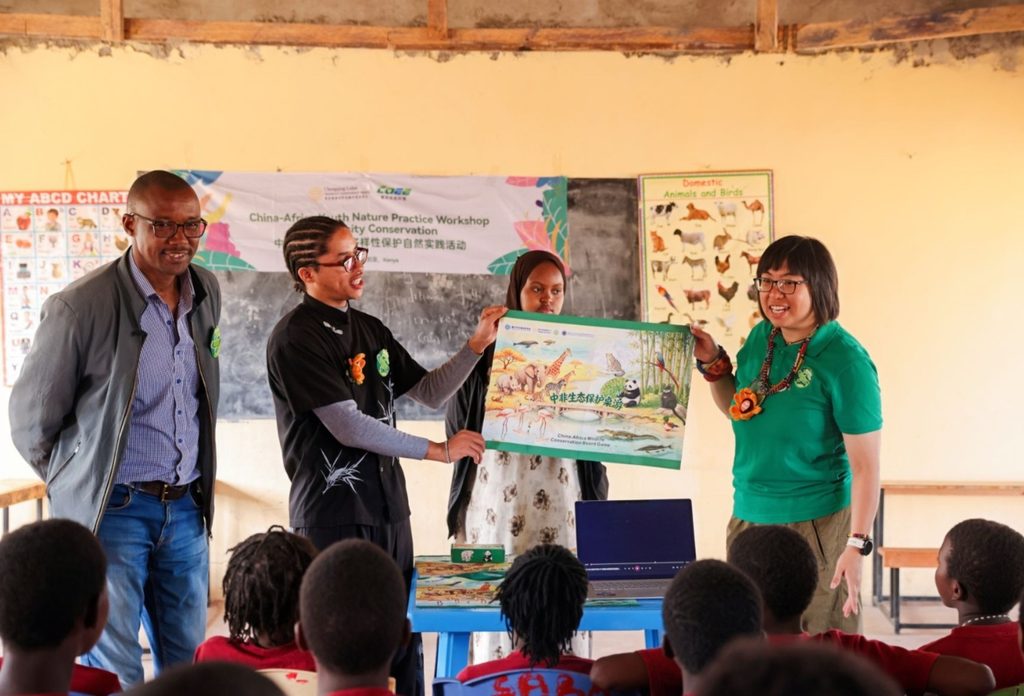
China-Africa youth biodiversity courses were launched using videos, board games and other interactive tools to help young people understand conservation, environmental trade-offs and collaborative problem-solving.
Course materials and teaching toolkits were distributed to African non-profit organisations, schools and local communities to support continued learning beyond the event.
The programme was selected as a flagship activity of the 2026 China-Africa Year of People-to-People and Cultural Exchanges, further strengthening cooperation between China and Africa in biodiversity conservation.
Beyond sharing equipment and expertise, the initiative seeks to build long-term partnerships in which conservation practitioners, communities and young people can learn from one another and play a greater role in protecting Africa’s wildlife and ecosystems.