
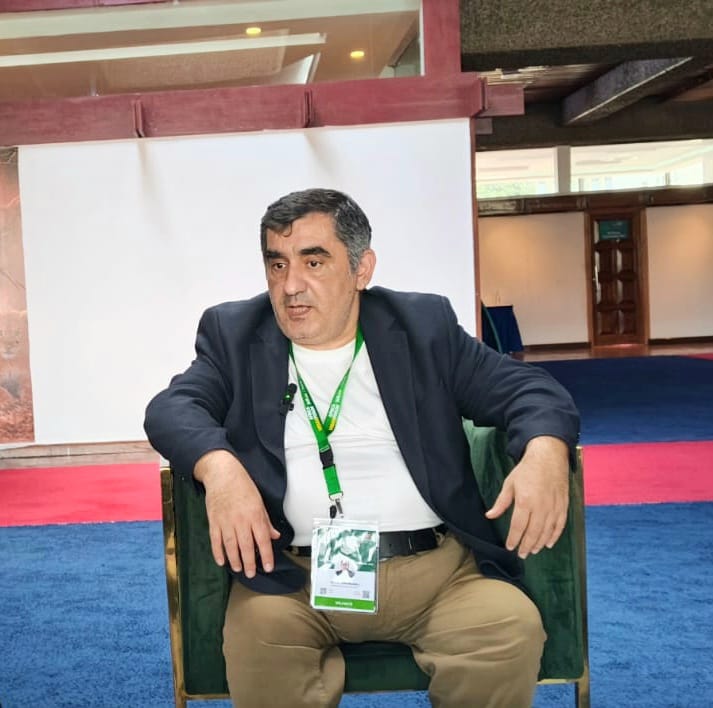
Ramil Iskandarli, Chairman of the Azerbaijan National NGO Forum and Acting Secretary General of the Global South NGO Platform during an exclusive interview at the African Urban Forum in Nairobi.
By Peace Muthoka
NAIROBI, April 10, 2026 — Civil society leaders have called for greater inclusion of grassroots voices in shaping Africa’s urban future, as discussions at the Africa Urban Forum in Nairobi spotlighted the need for more inclusive and sustainable cities.
The calls emerged during the forum held from April 8 to 10 at the Kenyatta International Convention Centre, where stakeholders from across Africa and beyond gathered to address pressing urban challenges.
Speaking in an exclusive interview on 9th April 2026 on the sidelines of the forum, Ramil Iskandarli, Acting Secretary General of the Global South NGO Platform, highlighted growing collaboration between African and international civil society groups. He noted that partnerships with organizations such as the Pan-African Climate Justice Alliance have strengthened engagement on urban and climate issues.
He explained that joint initiatives, including activities linked to COP29, have helped deepen cooperation between Azerbaijani and Kenyan NGOs. Moreover, he pointed to his experience engaging African youth through training sessions held in Ethiopia, describing the interaction as both insightful and inspiring.
“I have both personal and institutional engagement with Kenyan civil society, and our cooperation remains at a very high level,” he said. “We are keen to sustain this momentum and look forward to stronger participation from African partners in future global forums.”
However, Iskandarli emphasized that despite increased participation, young people and civil society actors still face challenges in influencing decision-making. While their presence at global forums has grown, he argued that their role must evolve from participation to meaningful inclusion in policy processes.
He further noted that issues such as waste management and housing remain key concerns among youth, adding that exposure to global platforms has improved awareness and knowledge exchange across countries.
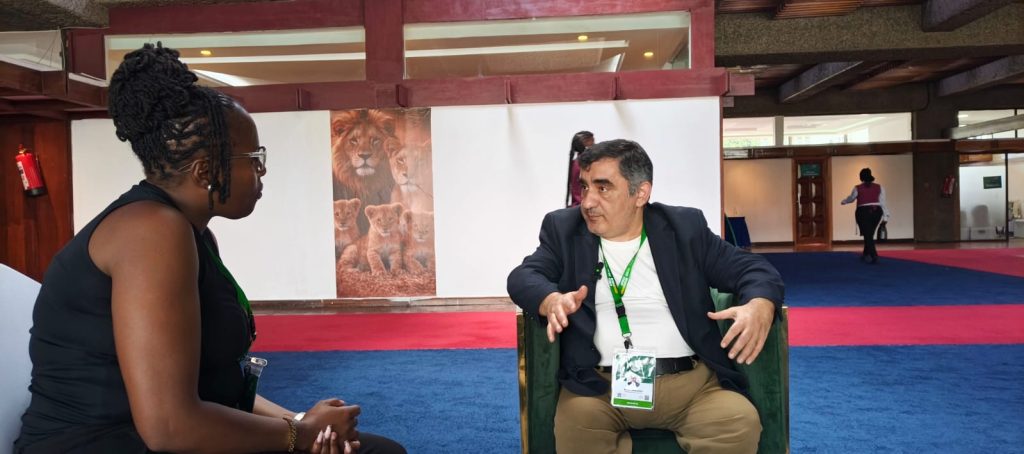
Ramil Iskenderli interview during the interview at African Urban Forum in Nairobi. He discussed the participation of Azerbaijani civil society representatives, cooperation between Azerbaijani and Kenyan NGOs, and the involvement of civil society in the upcoming 13th World Urban Forum in Baku.
“Giving young people a voice is important, but allowing them to shape decisions is even more critical,” he added.
Meanwhile,on 10th April 2026, similar sentiments were echoed during a panel discussion on NGOs’ role in sustainable urban development in Africa.
Philip Kilonzo, Head of Policy, Advocacy and Communication at the Pan-African Climate Justice Alliance, said civil society organizations are uniquely positioned to represent vulnerable communities most affected by climate change in urban areas.
He described the forum as a vital platform for amplifying grassroots voices and aligning them with global urban development agendas, particularly in preparation for the upcoming World Urban Forum in Baku.
“We are leveraging this platform to ensure that the voices of frontline communities are not only heard but also integrated into global discussions,” Kilonzo said.
He added that civil society groups have played a critical role in mobilizing non-state actors across Africa, ensuring they contribute meaningfully to international processes, including the formation of the Global South NGO Platform.
At the same time, panelists underscored the importance of building resilient communities through sustainable practices. They pointed out that local organizations have shifted focus from environmental conservation alone to strengthening community resilience and food security.
This includes promoting sustainable land use, supporting biodiversity conservation, and helping communities adapt to the growing impacts of climate change.
Additionally, discussions highlighted the need to rethink urban development models. Experts called for a transition from traditional infrastructure approaches to greener, more sustainable systems that integrate environmental considerations into city planning.
They emphasized that achieving sustainable urban development will require coordinated efforts among civil society, governments, and the private sector.