Duale Backs Indigenous Foods and Knowledge to Drive Health, Innovation and Local Jobs
By Peace Muthoka
NAIROBI, Kenya, August 31, 2026 — Kenya is looking to its rich indigenous knowledge and biodiversity to develop safer, healthier products, strengthen local manufacturing and create new economic opportunities, Health Cabinet Secretary Aden Duale has said.
Duale said traditional knowledge held by communities should be preserved and subjected to scientific research so that valuable plants, herbs and other natural resources can be developed into quality-assured products for health and other sectors.
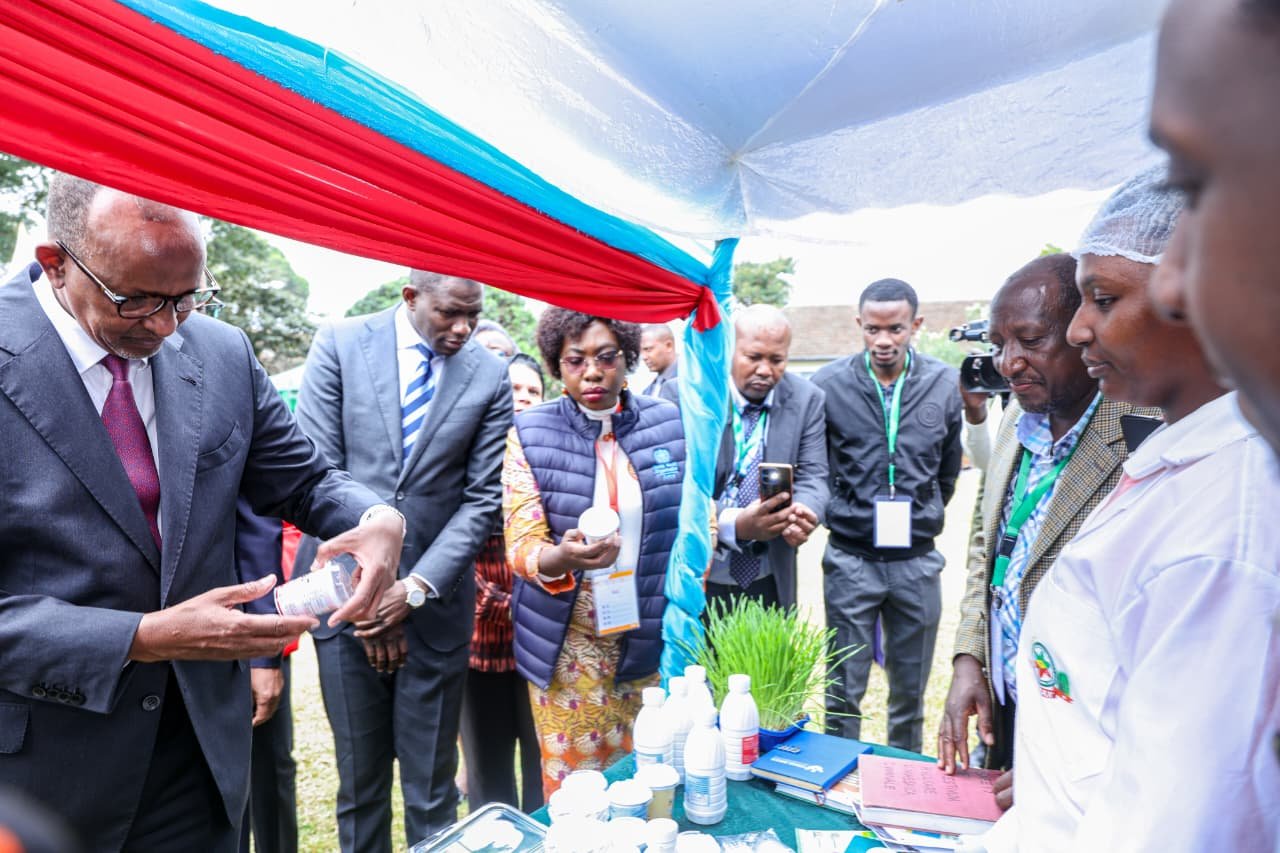
Speaking during the 2026 African Traditional Medicine Day at the Kenya Medical Research Institute (KEMRI) in Nairobi, the CS said traditional practices remain an important resource across Africa because they are accessible, affordable and culturally acceptable.
“Traditional medicine is deeply rooted in our communities, in our cultures, in our indigenous knowledge and in our biodiversity,” Duale said.
He said the knowledge should not only be viewed as part of Africa’s history but as a living resource with the potential to support prevention, treatment, innovation and national development.
For Kenya, Duale said the opportunity lies in combining indigenous knowledge with scientific research to develop useful products while creating opportunities for local manufacturers, researchers, farmers and entrepreneurs.
He said the country can convert its biodiversity, scientific expertise and indigenous knowledge into quality-assured products, local manufacturing and skilled employment.
However, Duale stressed that commercialising traditional knowledge must go hand in hand with safety, quality and scientific evidence.
He said products offered to the public must be safe and effective, while practitioners must meet clear training, registration and licensing requirements.
The CS also called for stronger protection of intellectual property and fair benefits for communities and individuals who have preserved traditional knowledge over generations.
He said communities should be recognised and benefit when their knowledge is used to develop commercially successful products.
“Indigenous knowledge must be documented, ethically studied and scientifically validated,” Duale said.
He urged researchers to move beyond simply documenting traditional practices and focus on product development, clinical evidence, quality assurance and monitoring.
The push comes as the government works to establish a stronger regulatory framework for traditional and complementary medicine.
Duale said the Ministry of Health is finalising the National Traditional Complementary Intervention Medicine Policy, which will guide the registration, licensing and regulation of practitioners while promoting quality, safety and efficacy.
Stakeholders completed a wider validation exercise in April 2026, with nationwide public participation expected before the policy is taken to Cabinet for consideration and approval.
Kenya has committed to integrating evidence-based traditional medicine into the healthcare system by 2028.
Duale said the integration is not intended to create a parallel healthcare system but to establish a responsible pathway through which validated traditional and complementary practices can work alongside modern medicine.
He said the approach should improve access and equity while protecting patients through clear standards, defined scopes of practice, referral systems, reliable data and appropriate financing.
Duale also pointed to the economic potential of the sector, saying Kenya could learn from countries such as China and India, which have invested in traditional medicine research and development.
He called for stronger partnerships between practitioners, universities, research institutions, regulators, communities and industry to accelerate innovation and position Kenya as a centre for traditional medicine research, product development and knowledge exchange.
The government, he added, must work with institutions responsible for health, culture, standards, research and regulation under one coordinated implementation framework with clear responsibilities, budgets and measurable targets.
Duale said the government’s role should be to preserve valuable knowledge, test practices that require evidence, regulate areas that require oversight and support innovation where opportunities exist.
He said such an approach would allow Kenya to protect its cultural heritage while developing safer products, supporting local industries, creating jobs and building a more self-reliant economy.
“Let us build a sector that is evidence-informed, well regulated, innovative, sustainable and inclusive,” Duale said.
The CS said the country’s traditional knowledge should ultimately serve both its people and its economy by connecting communities that hold indigenous knowledge with science, innovation and responsible enterprise.