EACC Launches Africa Anti-Corruption Research Centre as Leaders Push for Stronger Continental Fight Against Graft
By Peace Muthoka
NAIROBI, June 17, 2026 — The Ethics and Anti-Corruption Commission (EACC) has launched the Centre for Anti-Corruption Studies and Research in Africa (CEREAC), marking a major milestone in efforts to strengthen research, innovation, and knowledge-sharing in the fight against corruption across the continent.
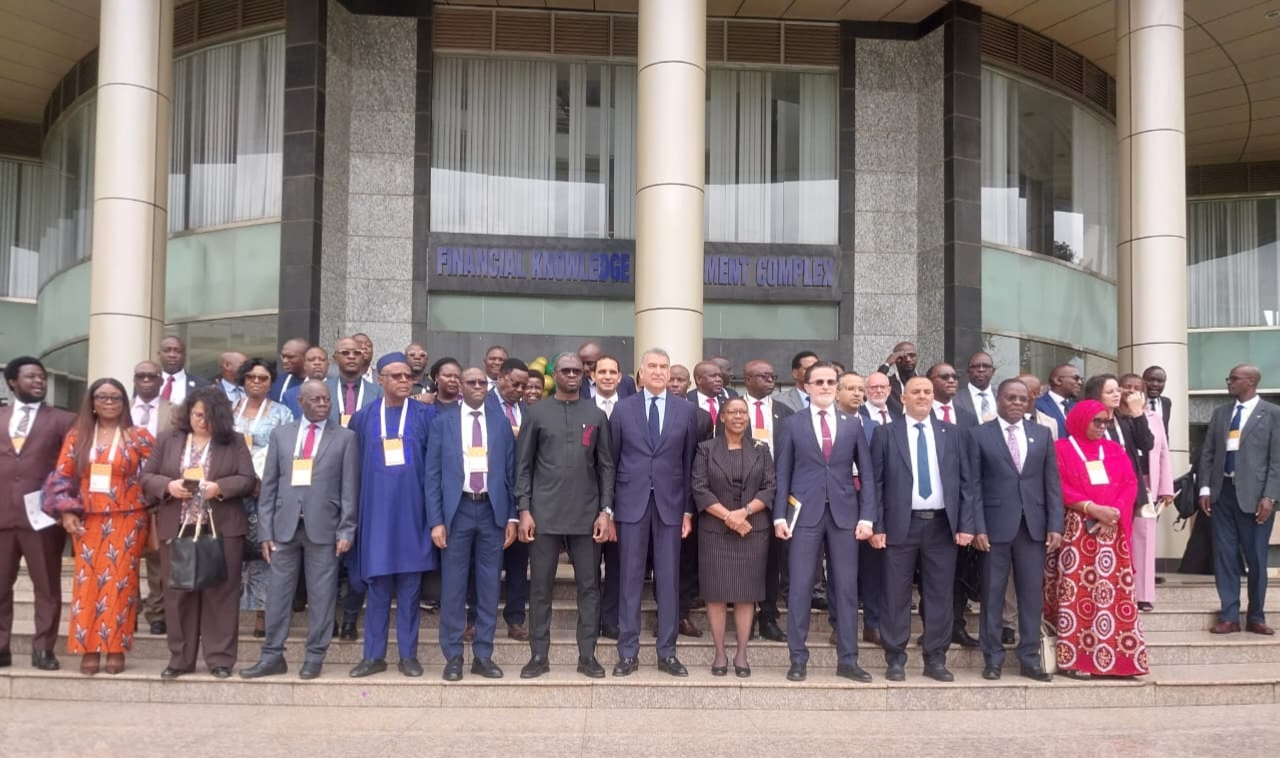
The launch took place during the 8th Annual General Assembly of the Association of African Anti-Corruption Authorities (AAACA) in Nairobi, bringing together heads of anti-corruption agencies, policymakers, governance experts, and development partners from across Africa.
Speaking on behalf of President William Ruto, Attorney General Dorcas Oduor said African countries must strengthen cooperation and embrace innovation to counter increasingly sophisticated corruption networks that operate beyond national borders.
She noted that corruption has evolved into a complex and technologically enabled crime, with illicit funds moving rapidly across jurisdictions through shell companies, digital assets, and elaborate financial arrangements. As a result, she said, anti-corruption agencies must adopt coordinated and innovative approaches to stay ahead of emerging threats.
Oduor further observed that corruption increasingly intersects with organized crime, including money laundering, cybercrime, trafficking, fraud, and illicit financial flows. Consequently, she urged anti-corruption agencies across Africa to enhance intelligence sharing, strengthen partnerships, and coordinate investigations to prevent criminals from exploiting gaps between jurisdictions.
At the same time, she highlighted the enormous cost of corruption to the continent, noting that Africa continues to lose billions of dollars every year through corruption, procurement fraud, tax evasion, and illicit financial flows.
“These are resources that should be financing schools, hospitals, roads, water systems, energy infrastructure and opportunities for our young people,” she said.
The Attorney General reaffirmed Kenya’s commitment to strengthening accountability and transparency through strong institutions and progressive legal reforms. She cited the recently enacted Conflict of Interest Act and the Virtual Asset Service Providers Act as examples of measures designed to address emerging corruption risks linked to digital finance and virtual assets.
Turning to the launch of CEREAC, Oduor described the centre as a significant step forward in Africa’s anti-corruption journey. She said the institution will provide a platform for research, policy development, innovation, capacity building, and knowledge exchange while helping countries identify emerging corruption trends and develop evidence-based interventions.
“The future of anti-corruption work in Africa must be driven by collaboration, innovation, research and shared learning,” she said.
Earlier, EACC Secretary and Chief Executive Officer Abdi Mohamud said the Assembly provided a timely opportunity for African nations to reflect on progress made in combating corruption while exploring solutions to emerging challenges.
He noted that corruption continues to undermine economic growth, weaken institutions, and erode public confidence across the continent, making the fight against graft a continental and global priority.
Mohamud said this year’s theme, Strengthening Cooperation and Institutional Innovation for Effective Anti-Corruption Efforts in Africa, reflects the realities facing anti-corruption agencies as corruption schemes become increasingly sophisticated and transnational.
He explained that delegates would deliberate on strengthening mutual legal assistance, information sharing, joint investigations, and regional cooperation to tackle illicit financial flows and cross-border corruption networks.
Mohamud also highlighted the significance of CEREAC, describing it as AAACA’s research and analytical arm. According to him, the centre will strengthen evidence-based policymaking, support capacity building, and promote research-driven anti-corruption interventions across Africa.
He noted that the launch marks the culmination of a four-year process that began in 2022 when AAACA members first resolved to establish a continental institution dedicated to anti-corruption research.
Meanwhile, EACC Chairperson Dr. David Oginde called for a strategic shift in Africa’s anti-corruption efforts, warning that corruption has become increasingly sophisticated while perpetrators continue to exploit technological and institutional weaknesses.
“We meet at a defining moment for our institutions and our continent,” he said.
Oginde noted that Africa is experiencing rapid technological transformation, a growing youth population, and rising public demand for accountability and good governance. However, he warned that corruption continues to frustrate development efforts by discouraging investment, diverting public resources, and weakening governance systems.
To address these challenges, Oginde proposed three key pillars to guide future anti-corruption efforts across the continent.
First, he called for stronger regional and continental cooperation to facilitate asset tracing, intelligence sharing, and recovery of stolen wealth. He argued that if corrupt individuals can move illicit funds across borders with ease, anti-corruption agencies must cooperate even faster.
Secondly, he urged institutions to embrace innovation by leveraging technologies such as artificial intelligence and blockchain to detect corruption, investigate illicit financial flows, and enable real-time information sharing among agencies.
Thirdly, he advocated for Africa-centred research to help countries better understand the unique drivers of corruption and develop solutions tailored to the continent’s realities.
According to Oginde, CEREAC will play a critical role in generating knowledge, developing African corruption indicators, and providing actionable recommendations to strengthen governance systems and anti-corruption efforts across the continent.
He further called on delegates attending the Assembly to make concrete commitments on cross-border asset recovery, joint training programmes, and shared technological platforms to enhance cooperation in the fight against corruption.
As deliberations continue, delegates are expected to explore measures aimed at strengthening regional cooperation, improving institutional capacity, recovering stolen assets, and harnessing technology to combat corruption more effectively.
The Assembly is also expected to produce resolutions that will deepen collaboration among African anti-corruption agencies and reinforce the continent’s collective efforts to curb corruption and illicit financial flows.