
By Peace Muthoka
WAJIR, April 3, 2026 — Families in semi-arid Wajir County are experiencing renewed hope following the rollout of EcoSan toilets, a sustainable sanitation solution targeting the region’s most vulnerable households.
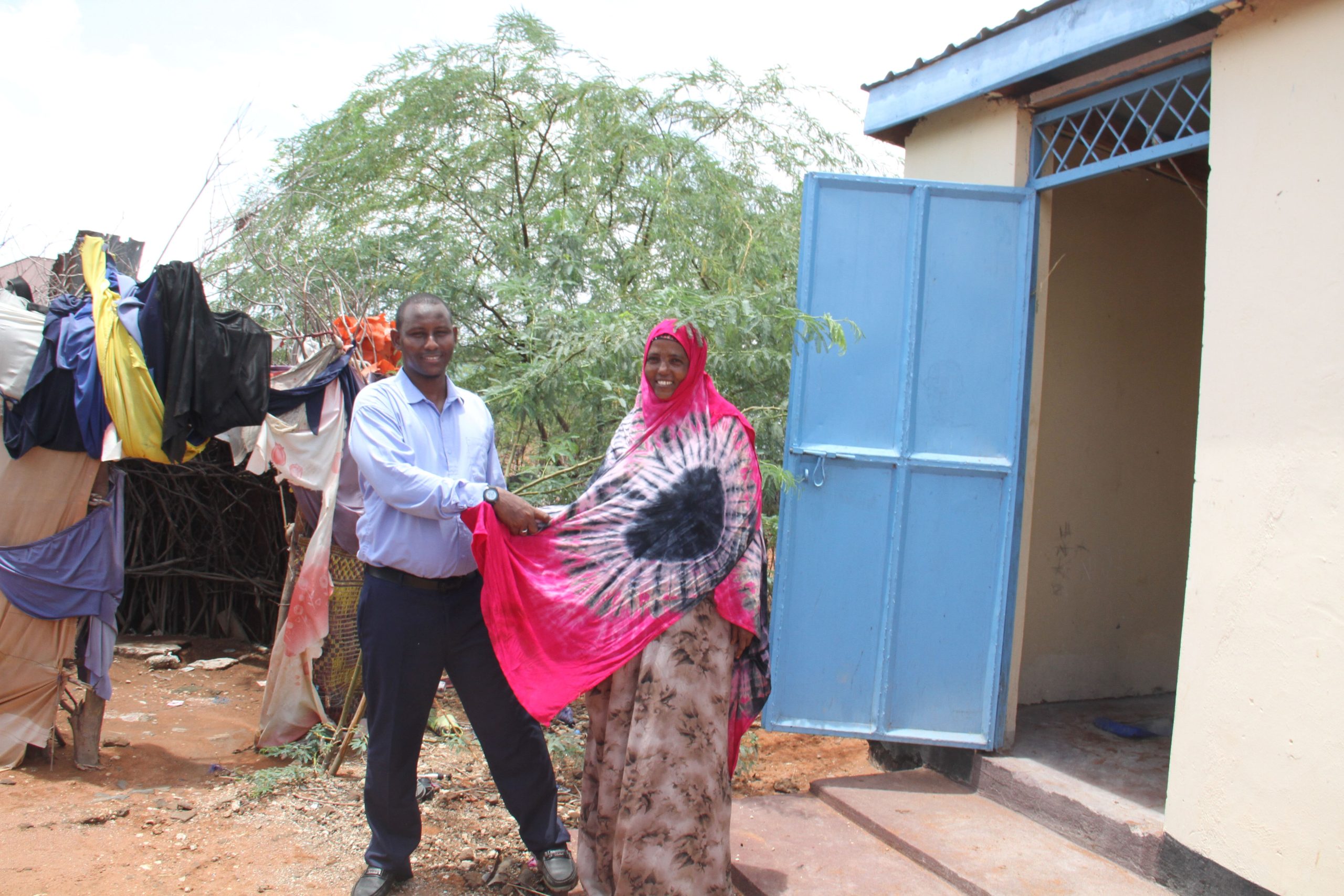
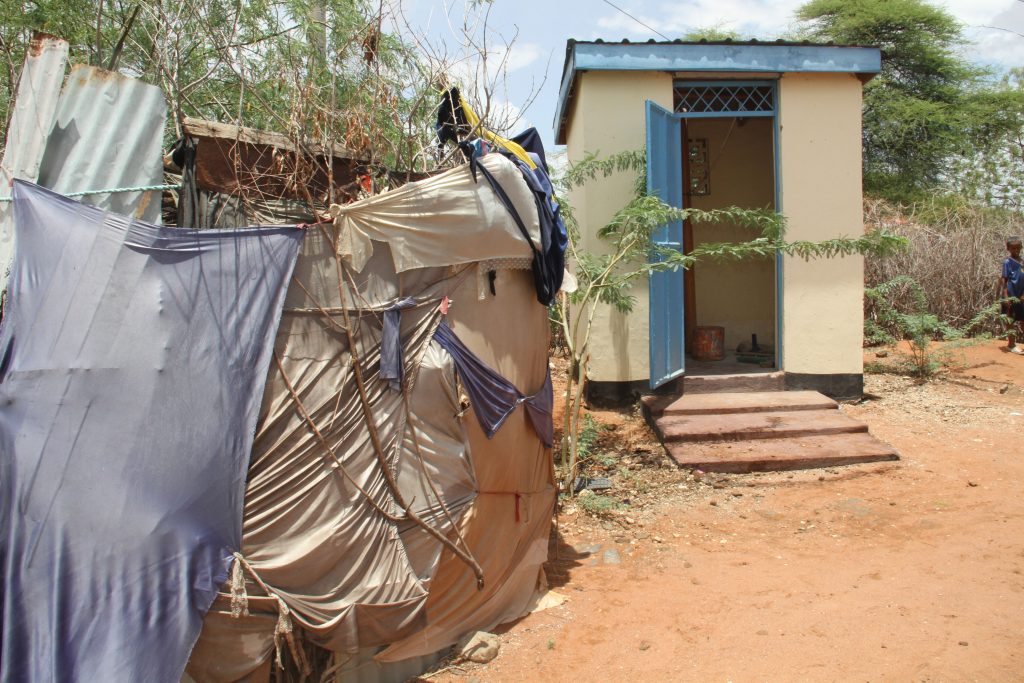
The initiative, implemented under a World Bank-supported sanitation programme, has seen at least 35 EcoSan toilets constructed and distributed across Wajir town. The units were allocated to vulnerable groups, including female-headed households, the elderly, and families headed by children or chronically ill members.
Speaking during a project assessment visit, Social Safeguards Expert Abdi Mohamed Adan said the toilets were introduced to address sanitation challenges in water-scarce areas while improving public health.
“This facility separates urine and fecal matter, ensuring proper waste management and ease of use. Beneficiaries were also trained on how to operate and maintain it effectively,” he said.
The EcoSan system uses a waterless design that allows waste to decompose naturally. Fecal matter is stored in chambers where it dries and later turns into manure, while urine and wastewater are directed to a soak pit. Users apply ash or soda ash after each use to control odor and speed up decomposition.
Siyat Adow, Deputy Project Coordinator for the Water and Sanitation Development Project (WSDP) in Wajir County, said the initiative is part of a wider effort to improve sanitation infrastructure across the region.
“The total cost of the sanitation project included the construction of ablution blocks in secondary schools, nine in primary schools, and 35 EcoSan toilets for vulnerable households,” she said.
She added that the project aims to scale up sanitation and phase out unsafe methods such as packet toilets, especially in institutions and densely populated areas.
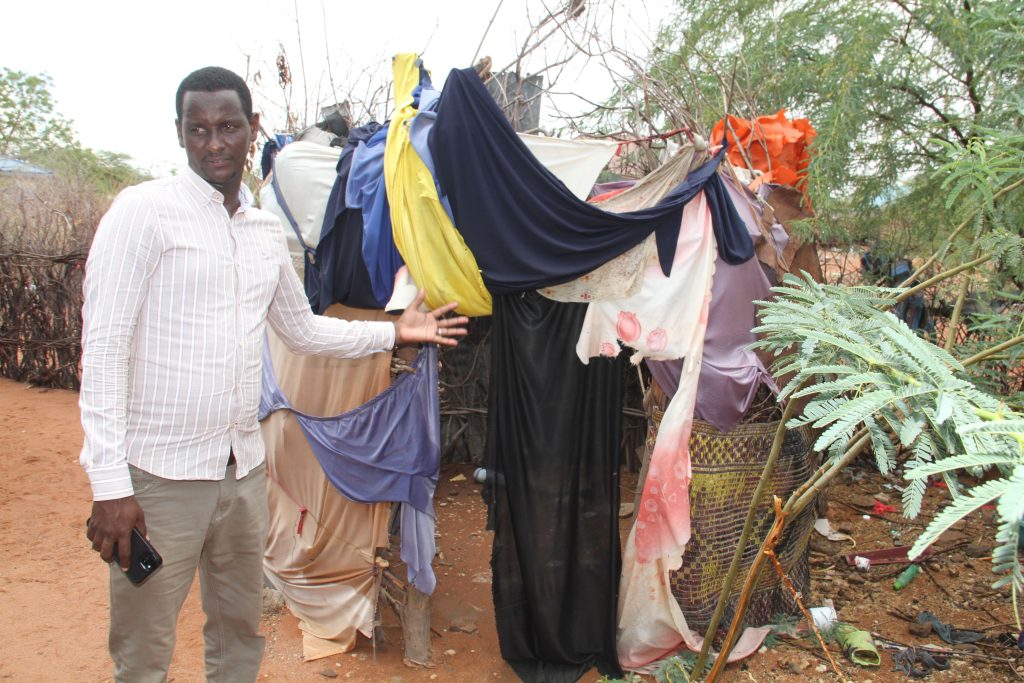
Public health officials say the intervention is already making a difference. Wajir County Public Health Officer Ibrahim Mohammed noted that many households previously practiced open defecation or used unsafe structures, increasing the spread of disease.
“When waste is left in the open, it contaminates water sources and leads to outbreaks of diseases like cholera, dysentery, and diarrhoea. With EcoSan toilets, we expect a significant reduction in such cases,” he said.
One of the beneficiaries, Araba MohamedOne of the beneficiaries, Araba Mohamed, a mother heading a household of 10, said the facility has greatly improved her family’s hygiene and dignity. She explained that before receiving the toilet, the family relied on open defecation, exposing them to serious health risks.
“Now we have a clean and safe facility. It has improved our health, and we no longer worry about sanitation,” she said, while noting minor challenges such as rainwater occasionally leaking into the chamber.
Experts say EcoSan toilets are particularly suitable for arid regions due to their low water requirement and ability to convert waste into useful compost for farming. The black-painted structures also help retain heat, accelerating the decomposition process.
Beyond improving sanitation, the project is also encouraging communities to adopt and replicate the technology. Officials say the cost of constructing a unit can drop significantly when households build them independently, making the solution more accessible.
With growing awareness and community uptake, EcoSan toilets are emerging as a practical and cost-effective answer to sanitation challenges in Wajir, offering a cleaner environment and improved health outcomes for residents.