ODM Rallies Behind Protest Victim Compensation as Leaders Push for Justice and Peaceful Demos
By Peace Muthoka.
NAIROBI, June 24, 2026 — ODM leaders have defended the government’s compensation plan for victims of protest-related violence, describing it as a crucial first step in Kenya’s long search for justice, healing and democratic reform.
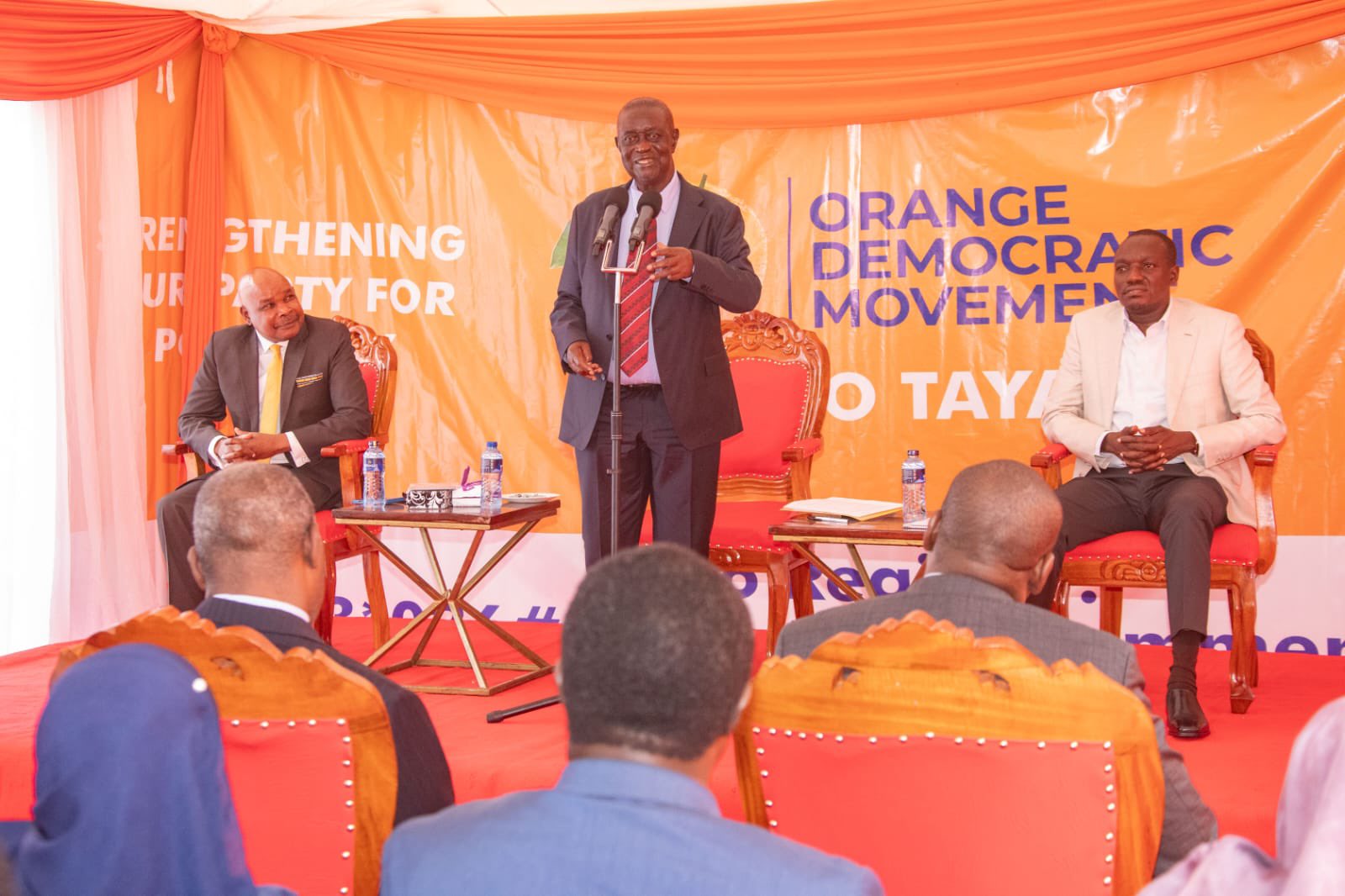
Speaking during a media briefing at Pawaa Centre in Nairobi, ODM Deputy Party Leader Oburu Oginga and panel chair Prof. Makau Mutua said the process should not be dismissed as a political token. Instead, they argued, it offers long-overdue recognition to Kenyans who lost loved ones, suffered injuries or endured abuse during years of political struggle and street protests.
Oburu used the forum to place the current exercise within Kenya’s painful history of state violence, saying the country cannot talk about justice today without confronting the bloodshed, repression and suffering that have marked its past.
From the struggle for independence to the Kisumu, Wagalla, Hola and Lari massacres, Oburu said generations of Kenyans have paid a heavy price in the fight for freedom and democracy. He added that the same pattern continued in the multi-party era, when opposition supporters often faced police brutality, arbitrary arrests and violent crackdowns.
Drawing from personal experience, Oburu recalled moments when he and other opposition leaders came under attack during political activities, saying the stories of pain and loss behind Kenya’s democratic gains are too many to ignore.
Against that backdrop, he praised President William Ruto for backing the compensation process and acknowledged the late Raila Odinga for pushing the issue into the national conversation. According to Oburu, Raila insisted that victims of state violence deserved not just sympathy, but recognition and support.
He said no amount of money can replace a life lost or erase years of pain. Even so, he urged victims and their families to accept the payments as a sign that the state has finally admitted that grave wrongs were committed.
“This is not useless,” Oburu said. “It is a way of telling those who suffered for this country that their pain has been seen and their sacrifice matters.”
At the same time, he cautioned against turning the compensation drive into a political battleground, saying Kenyans should allow the process to move forward even as they continue demanding fuller justice for all victims.
Oburu also weighed in on the debate over public demonstrations, urging Kenyans to exercise their constitutional right to protest peacefully and responsibly. He warned against carrying weapons, attacking property or interfering with the rights of others, and challenged police to protect demonstrators instead of treating them as enemies.
“People have a right to demonstrate, but they must do it peacefully,” he said, adding that law enforcement officers should facilitate protests once organisers give notice as required by law.
Prof. Mutua, who chairs the compensation panel, said the exercise goes beyond cash payouts and forms part of a wider effort to repair the country’s broken relationship with protest and dissent.
He described compensation as a “down payment” in a larger process of reconciliation, accountability and reform, saying Kenya must build institutions that respect the right to protest rather than punish it.
Mutua said the panel is already processing claims from victims and has opened a reporting centre at KICC, where affected individuals can submit their cases. He added that payments have already started and will continue on a rolling basis until all verified claimants are covered.
He also pledged transparency in the process, saying the panel will publish and gazette the names of those compensated so the country can track the exercise openly.
Still, Mutua stressed that compensation alone cannot close the chapter on protest violence. He said the panel is drafting a protest law to give practical effect to Article 37 of the Constitution and preparing a police training manual to guide officers on handling demonstrations within the law and with respect for human rights.
For Mutua, that reform agenda matters just as much as the payments themselves.
He said Kenya must create a culture where citizens can march, picket and speak out without fear of ending up dead, injured or missing by the end of the day.
He also insisted that the right to protest comes with responsibility. Demonstrators, he said, must avoid criminal acts such as looting and violence, even as the state remains duty-bound to protect them and answer for abuses committed by its officers.