
Sun King Expands Solar Power Capacity to 30kW in Push to Serve Homes, Businesses and Institutions
By Peace Muthoka
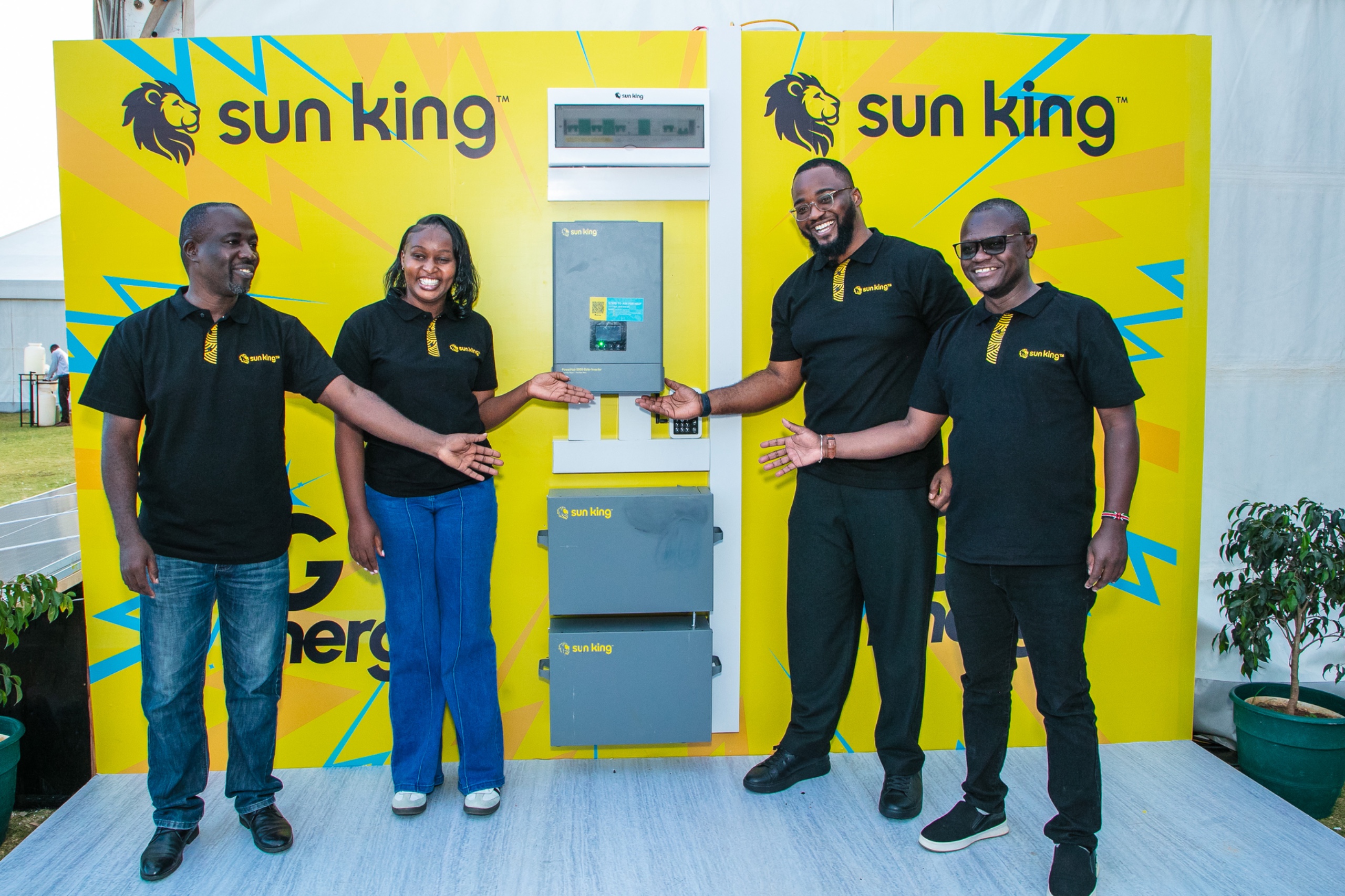
NAIROBI, Kenya — Sun King has expanded its PowerHub solar inverter range to deliver up to 30 kilowatts of power, targeting households, businesses, schools and healthcare facilities that need reliable electricity even when the national grid goes down.
The company unveiled the expanded range on Thursday, October 8, 2026, marking a shift from smaller solar inverter systems to higher-capacity solutions designed to meet the growing energy needs of homes and institutions.
Sun King Product Head of Solar Inverter Systems Atta Arome said the new range would allow customers to increase their power supply as their needs grow, without having to abandon their existing systems and start afresh.
“Today, we are taking that idea much further. We are expanding our PowerHub range to bring Big Energy to even more Kenyans,” Arome said during the launch.
Sun King began with solar lanterns before expanding into solar home systems and smaller inverters. Its latest offering builds on that journey, with systems ranging from smaller units to installations capable of supplying up to 30 kilowatts of inverter power.
At the entry point of the expanded range, the PowerHub Pro provides five kilowatts of inverter power, a five-kilowatt-hour battery and approximately 2.7 kilowatts of solar capacity. Arome said the system could power everyday appliances, including water pumps, washing machines, microwaves and kettles.
Customers can also connect two or more five-kilowatt inverters to increase their available power. This flexibility allows households and businesses to expand their systems as they acquire more equipment or move into premises with greater energy demands.
For customers who need more electricity, the PowerHub Max offers 10 kilowatts of inverter power and supports up to four batteries, providing a combined storage capacity of 20 kilowatt-hours. The company says this configuration can support appliances such as ovens and heaters, while the batteries have an anticipated lifespan of 10 years under typical daily use.
The expanded range also includes systems with inverter capacities of between 15 and 30 kilowatts, battery storage ranging from 15 to 120 kilowatt-hours, and solar generation capacity of up to 48 kilowatts.
Arome said the higher-capacity systems would enable Sun King to serve customers beyond individual households, including larger shops, offices, schools and hospitals.
“For customers, Big Energy means more power and more flexibility. For Sun King, it means we can power more of Kenya than ever before,” he said.
Sun King Country Business Leader Elisha Omedo Adie said the launch was not simply about increasing the number of kilowatts available but also about helping customers maintain their daily activities when electricity supply from the grid fails.
“When we talk about bringing Big Energy to Kenya, we are not just talking about power capacity and kilowatts. We are really talking about changing what is possible for our customers at home, at work and in business,” Adie said.
He noted that reliable electricity could make a significant difference for small businesses, which risk losing working hours and customers when outages interrupt their operations. With solar power and battery storage, businesses can keep essential equipment running and continue serving customers during blackouts.
Adie cited Sienna Family Care Centre in Njiru, Nairobi, as an example of how reliable solar electricity can support essential services. He said power cuts previously meant some emergency cases, including women in labour, had to be referred to public hospitals late at night.
Today, he said, Sun King PowerHub systems help the 24-hour clinic maintain lighting, essential diagnostic equipment and cold storage when the grid goes down.
“That is what Big Energy can mean in the real world: more reliability when you need it most. It is power you can count on,” he said.
Beyond homes and private businesses, Sun King is also looking to serve governments, non-governmental organisations and public institutions across Africa. Adie pointed to a solar programme in Malawi targeting 5,000 primary schools by 2030 as an example of the company’s work with institutions.
He said the company provides an end-to-end service, covering system design, financing, installation and maintenance. Customers in Kenya can also access installation and after-sales support through its network of shops across all 47 counties.
Meanwhile, Sun King Solar Inverter Business Manager for PayGo Veronica Mugwanja said the expanded range would allow customers to remain with the company as their energy requirements change.
She said some customers began with solar lanterns, progressed to solar home systems and eventually reached a point where they needed inverters. Others may require additional power when they start businesses, move into larger homes or operate schools and community facilities.
“What excites me about today is that Sun King can now meet customers when they purchase a small Sun King product and stay with us throughout their energy journey,” Mugwanja said.
She added that the company combines its technology with financing, installation and after-sales support, allowing customers to access assistance throughout the life of their systems.
Cost is another consideration for households and businesses weighing their energy options. Mugwanja said solar power could help customers save on electricity expenses and reduce their reliance on petrol and diesel generators, while providing quiet power through battery storage.
Under Sun King’s PayGo arrangement, customers can access the systems through monthly payments starting at KSh15,500, with a down payment of KSh22,600, according to Mugwanja.
The financing model offers customers another way to spread the cost of adopting solar power while accessing systems designed for higher energy demands.
Arome said the company wanted to give customers greater control over how they generate, store and use electricity, with the flexibility to increase capacity when necessary.
“One in five Kenyans already has access to Sun King products. From today, we can power more of what matters, for more people, than ever before with our expanded PowerHub range,” he said.
The expanded PowerHub range marks Sun King’s move into higher-capacity solar solutions, with the company seeking to serve a broader mix of households, businesses and institutions through systems that can grow alongside their energy needs.