
Youth Drive Push to Transform Africa’s Food Systems
By Editorial Team
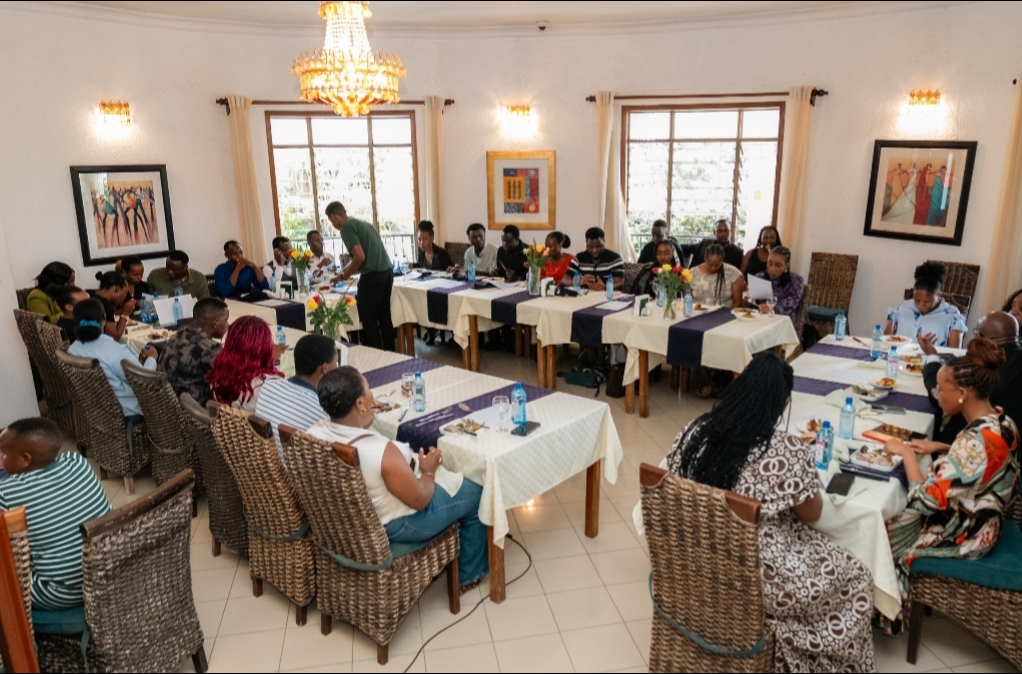
Young agripreneurs, policymakers and development partners gathered in Kigali on March 19, 2026, for a youth-led dialogue aimed at reshaping Africa’s food systems into engines of jobs, innovation and economic growth.
The conversation, titled “Who Gets to Shape Africa’s Food Future?”, brought together young entrepreneurs and key stakeholders for an open and candid discussion on the opportunities and barriers within the agri-food sector. The event, hosted by AGRA in partnership with Global Citizen, took place on the sidelines of Move Afrika.
Across the continent, agriculture remains a major employer. However, many young people still view it as a last resort rather than a viable economic pathway. Limited access to finance, land, markets and enterprise support continues to lock youth out or slow the growth of their agribusiness ventures.

Against this backdrop, Rwanda’s Minister of Agriculture and Animal Resources, Telesphore Ndabamenye, challenged young people to rethink their perception of agriculture. He urged them to see it as a gateway to wealth creation, food security and employment.
“You cannot market what you do not have,” he said. “In the food systems journey, we must first secure food. From food comes cash, and from cash come jobs.”
He went on to stress that while development partners are supporting youth-focused initiatives, lasting transformation will depend on young people taking the lead.
“Partners such as AGRA and the Mastercard Foundation are already supporting youth initiatives, but young people must step forward and play a bigger role,” he said. “When food systems are strong, the economy becomes stronger.”
Speakers at the forum also underscored the need to center youth voices in agricultural development. Ifeoma Chuks-Adizue, Managing Director for Africa at Global Citizen, said the dialogue created space to better understand the real challenges young entrepreneurs face.
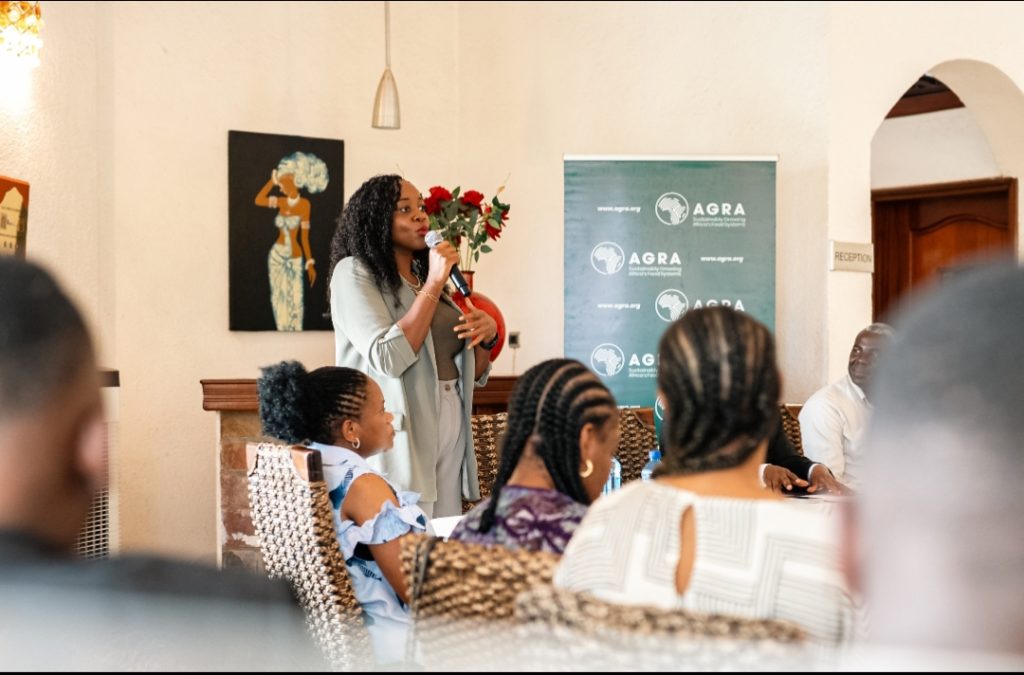
“We need to understand what challenges they face so that we can help them achieve their goals,” she said, adding that her organization is working with AGRA to address food and nutrition needs while advancing job creation.
Similarly, Nana Yaa Boakyewaa Amoah emphasized that young people are not just participants but drivers of change within the food system.
“Young people are not just beneficiaries — they are innovators, entrepreneurs and leaders,” she said.
Through initiatives such as the Youth Entrepreneurship for the Future of Food and Agriculture (YEFFA), AGRA is strengthening ecosystems that support youth-led agribusiness. The programmes focus on skills development, financing, market access and policy engagement to create an enabling environment for growth.
In Rwanda, these efforts are already bearing fruit. Youth-led enterprises supported under YEFFA have created more than 12,000 job opportunities across agrifood value chains, including opportunities for hundreds of young people living with disabilities.
Participants said such platforms are key to building confidence and fostering collaboration. Lydia Murekatete described the session as both motivating and action-oriented.
“Don’t just talk about it, be about it,” she said.
Evariste Sibobugingo added that the dialogue opened up new perspectives and strengthened peer learning among young entrepreneurs.
“This dialogue builds our confidence, opens our minds and allows us to share experiences,” he said.
The Kigali meeting comes at a pivotal moment for Africa’s agricultural agenda. As AGRA marks 20 years of work across the continent, there is renewed focus on scaling solutions that increase farmer incomes and expand enterprise opportunities along food value chains.
At the continental level, the African Union continues to place agri-food systems transformation at the center of economic development. At the same time, the United Nations has designated 2026 as the International Year of the Woman Farmer, spotlighting the critical role women play across agricultural value chains.
Together, these efforts highlight a growing shift one that places young people at the heart of Africa’s food future, not just as beneficiaries, but as leaders shaping the path forward.
AGRA in partnership with Global Citizen, to