
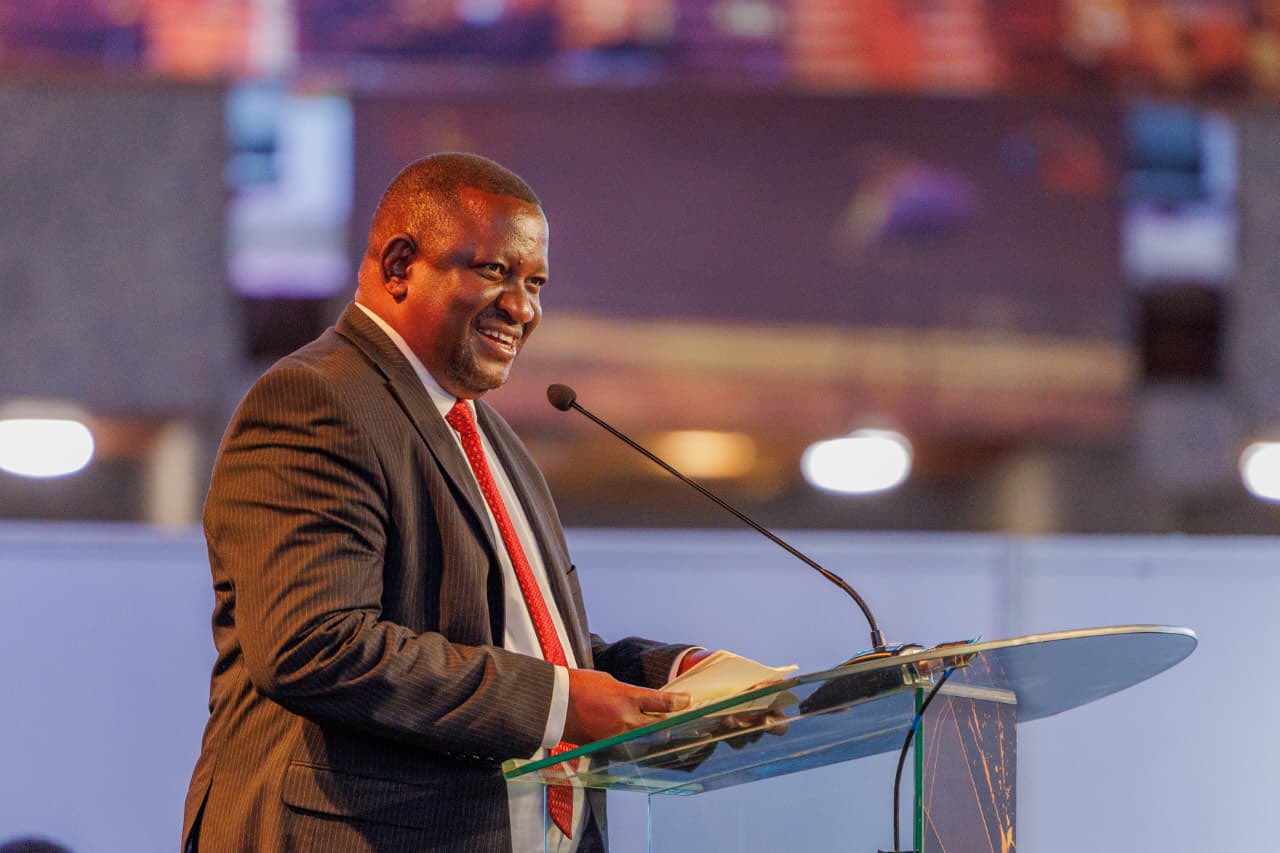
Youth Affairs, Creative Economy and Sports Cabinet Secretary Salim Mvurya Speaking at the opening of the 14th edition of the Kalasha International Film & TV Market, Festival and Awards 2026
By Peace Muthoka
Nairobi, April 28, 2026 — The government has intensified its push to position Kenya’s creative industry as a key economic driver, with a strong call for artists to embrace innovation, unity and authentic storytelling.
Speaking at the opening of the 14th edition of the Kalasha International Film & TV Market, Festival and Awards 2026 at the Kenyatta International Convention Centre, Youth Affairs, Creative Economy and Sports Cabinet Secretary Salim Mvurya urged creatives to produce responsible content that promotes cohesion and reflects positive national values.
Mvurya said the creative economy is steadily expanding and already contributes over five percent to the country’s Gross Domestic Product, despite operating without full structure. He noted that ongoing policy and legal reforms will unlock even greater potential in the sector.
He challenged creatives to boldly innovate, collaborate and tell authentic African stories that resonate globally, saying the industry holds the power to transform livelihoods and strengthen Kenya’s cultural presence on the world stage.
“The creative economy can power our national growth. With a youthful, skilled and digitally connected population, Kenya is uniquely positioned to turn creativity into a major source of income and opportunity,” he said.
Mvurya revealed that the government is taking deliberate steps to formalise the industry, including investing in modern infrastructure, strengthening intellectual property protection and creating pathways for creatives to earn from their work.
He added that draft regulations are already in place to make the sector more structured, sustainable and attractive to investors, as the country seeks to shift the perception of the industry from a side pursuit to a serious economic pillar.
The Cabinet Secretary projected that the creative economy could contribute up to 10 percent of Kenya’s economic output by 2030, describing it as a clear opportunity for the country and the continent to position themselves as global leaders.

Principal Secretary for Youth Affairs and Creative Economy Fikirini Jacobs Kahindi
Principal Secretary for Youth Affairs and Creative Economy Fikirini Jacobs Kahindi said the sector remains one of the fastest-growing globally, driven by a young, talented and digitally savvy population.
He emphasised the need to invest across the value chain through training, production support and expanded market access via festivals, digital platforms and e-commerce channels.
Kenya Film Commission Chief Executive Officer Timothy Owase highlighted the role of storytelling in shaping national identity and unity.
“At a time when the country is having important conversations about its future, spaces like this matter even more because storytelling reminds us not only of where we are going, but of what we share,” he said.
Owase noted that the Commission has made strides in expanding skills, creating jobs and positioning Kenyan films to compete on regional and international platforms.
The Kalasha festival, organised by the Kenya Film Commission, continues to provide a platform for filmmakers, producers and investors to connect, showcase talent and explore new opportunities.
Mvurya also pointed to collaboration with the education sector through the Competency-Based Curriculum to nurture creative talent from an early stage, ensuring young people are prepared to tap into the growing industry.
He reaffirmed the government’s commitment to supporting the sector through policy leadership and sustained investment, urging stakeholders to seize the moment and elevate African storytelling.

The event will culminate in the Kalasha Awards ceremony, celebrating excellence and recognising outstanding achievements in Kenya’s film and television industry, as local creatives continue to gain global recognition.