
By Peace Muthoka
NAIROBI, June 20, 2026 — Calls for stronger protection of widows gathered momentum in Nairobi as stakeholders urged the government and Parliament to address the legal, economic and social challenges that continue to leave many widowed women vulnerable across the country.
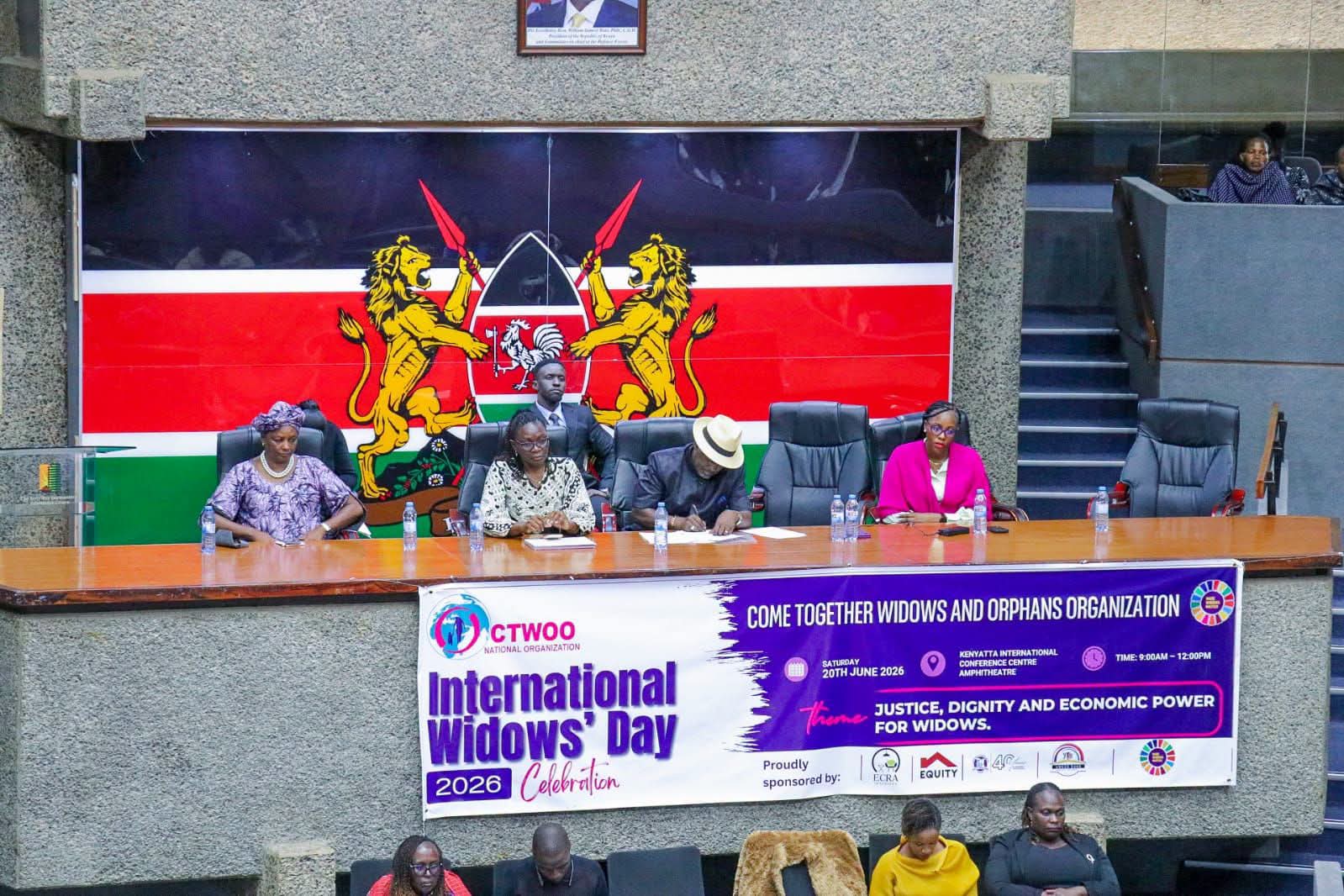
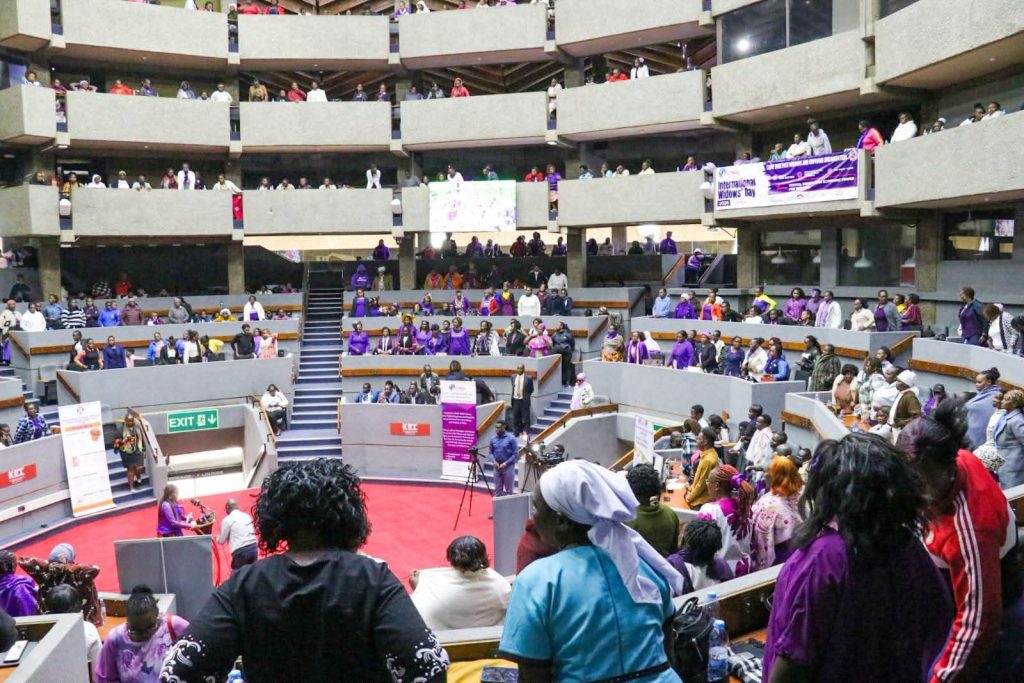
The renewed push came during pre-International Widows Day celebrations at the Kenyatta International Convention Centre (KICC), where widows from different counties shared experiences of discrimination, property grabbing, social exclusion and financial hardship following the death of their spouses.
While widowhood affects thousands of families every year, participants noted that many women still struggle to access justice, retain family property or rebuild their lives after losing their partners. As a result, stakeholders called for urgent interventions to protect widows and promote their economic independence.
Central to the discussions was the proposed Widowed Persons Protection Bill 2026, which seeks to provide a legal framework to safeguard widows from exploitation and strengthen their access to social protection and government support programmes.
Supporters of the Bill described it as a long-overdue intervention that could help address years of injustice faced by widowed persons, particularly in matters relating to inheritance, land ownership and access to legal remedies.
Rarieda MP Dr. Otiende Amollo, who is sponsoring the legislation, said the country has a responsibility to protect vulnerable members of society and ensure that widowhood does not become a pathway to poverty and marginalisation.
His remarks resonated with many participants, who argued that despite existing constitutional protections, widows continue to face barriers that prevent them from fully enjoying their rights.
Beyond legal reforms, the forum also highlighted the importance of economic empowerment. Speakers observed that many widows become sole providers for their families after losing their spouses, making access to income-generating opportunities critical to their survival and well-being.
Consequently, widows were encouraged to embrace savings groups, SACCOs and financial literacy programmes as tools for building financial resilience and reducing dependence on external support.
At the same time, discussions turned to the emotional toll of widowhood. Faith leaders, counsellors and mental health advocates emphasized the need for psychosocial support, noting that many widows silently battle grief, trauma and loneliness long after burial ceremonies end.
The government, meanwhile, reiterated its commitment to supporting widowed persons through awareness campaigns, counselling services and community-based programmes aimed at promoting dignity and inclusion.
Participants also challenged society to rethink attitudes towards widowhood, arguing that harmful stereotypes and cultural practices continue to deepen the suffering of many women. They called for communities to become more supportive and to uphold the rights and dignity of widowed persons.
As the country prepares to mark International Widows Day, stakeholders expressed optimism that growing public awareness and the proposed legislation could mark a turning point in the fight for widows’ rights.
For many who attended the gathering, the message was simple but urgent: widowhood should not strip anyone of their dignity, property or opportunities. Instead, widows should be empowered, protected and given the support they need to participate fully in society and contribute to national development.