
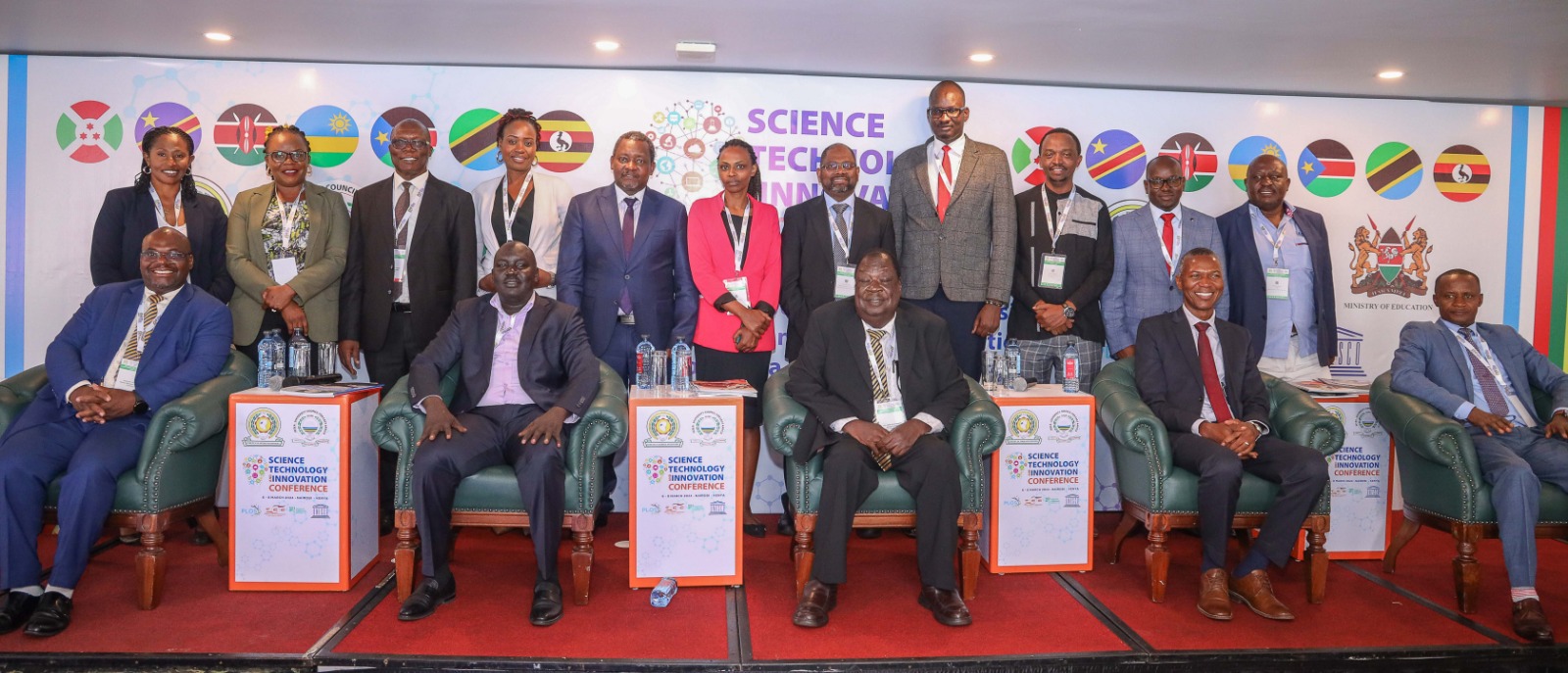
Kigali Hosts Key AI Conference to Shape East Africa’s Future
By Peace Muthoka
KIGALI, RWANDA, March 24, 2026 — The East African Science and Technology Commission (EASTECO), in partnership with the Inter-University Council for East Africa (IUCEA), will host the 4th East African Community Regional Science, Technology and Innovation Conference from March 30 to April 1 at the Kigali Convention Centre.
Held under the theme “Harnessing Artificial Intelligence for a Resilient, Inclusive, and Innovative East Africa,” the conference comes at a critical moment in the region’s technological growth. It will bring together leading innovators, policymakers, and researchers to shift focus from ambition to coordinated action on artificial intelligence.
Rwanda’s Minister for ICT and Innovation, Paula Ingabire, will officially open the conference. Senior officials from the East African Community, including the Council of Ministers, the Secretary General, institutional heads, and development partners, are also expected to attend.
EASTECO Executive Secretary Sylvance Okoth said the forum is a call to action for the region. He noted that decisions made now on artificial intelligence will shape East Africa’s future prosperity and resilience.
The biennial conference, jointly organised by EASTECO and IUCEA, has grown into a key platform for science-driven dialogue, policy direction, and regional collaboration. This year’s edition stands out as the first to place artificial intelligence at the centre, highlighting its role as a driver of innovation and a tool to achieve the goals of the East African Community’s 7th Development Strategy.
IUCEA Acting Executive Secretary Idris Rai said universities and research institutions must lead in building an inclusive and practical AI-driven future. He added that the conference will strengthen institutional capacity and position higher education as a catalyst for sustainable growth.
The event will attract high-level delegations from all eight EAC partner states, including government representatives, ICT ministers, private sector leaders, researchers, and civil society actors. Organisers say the gathering will help align regional priorities, build partnerships, and accelerate the responsible use of AI for development.
Over three days, the conference will feature plenary sessions, paper presentations, ministerial dialogues, and exhibitions. It will also spotlight youth and women-led innovations, with more than 680 delegates expected to attend in person, alongside others joining virtually.