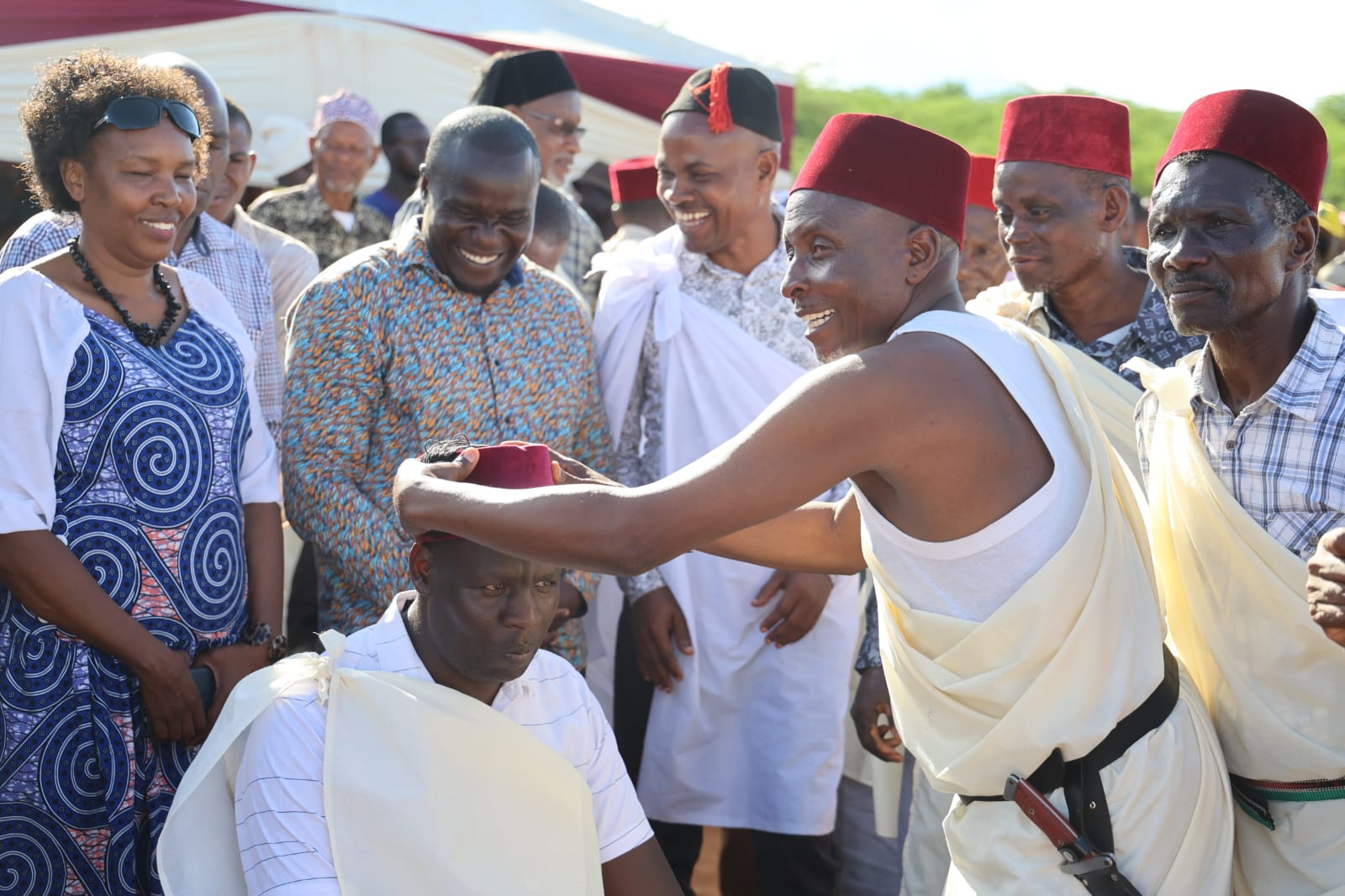
Josphat Lowoi Lodeya, (Centre) OGW, Secretary and Head of the Minorities and Marginalized Affairs Unit at the Executive Office of the President.
By Joy Neema
April 15, 2026 – The Pare community in Taita Taveta County is edging closer to official recognition as an ethnic group in Kenya following a landmark engagement that has reignited hope after years of exclusion.
During a high-level forum held in Eldoro, government officials, local leaders and community members came together for a candid and solution-driven dialogue on the community’s status. The meeting signaled a renewed push to correct historical marginalization and align the Pare community with national frameworks on ethnic recognition.
The engagement, led by the Executive Office of the President’s Minorities and Marginalised Affairs Unit, brought together key actors including Taveta MP John Bwire and the State Department for Special Programmes. Together, they outlined the legal and administrative pathway required to formally recognise and code the community within Kenya’s ethnic register.
As discussions unfolded, participants zeroed in on practical steps such as harmonising policy frameworks, validating community data and strengthening documentation. These measures, leaders noted, are critical in ensuring the process moves from dialogue to action.
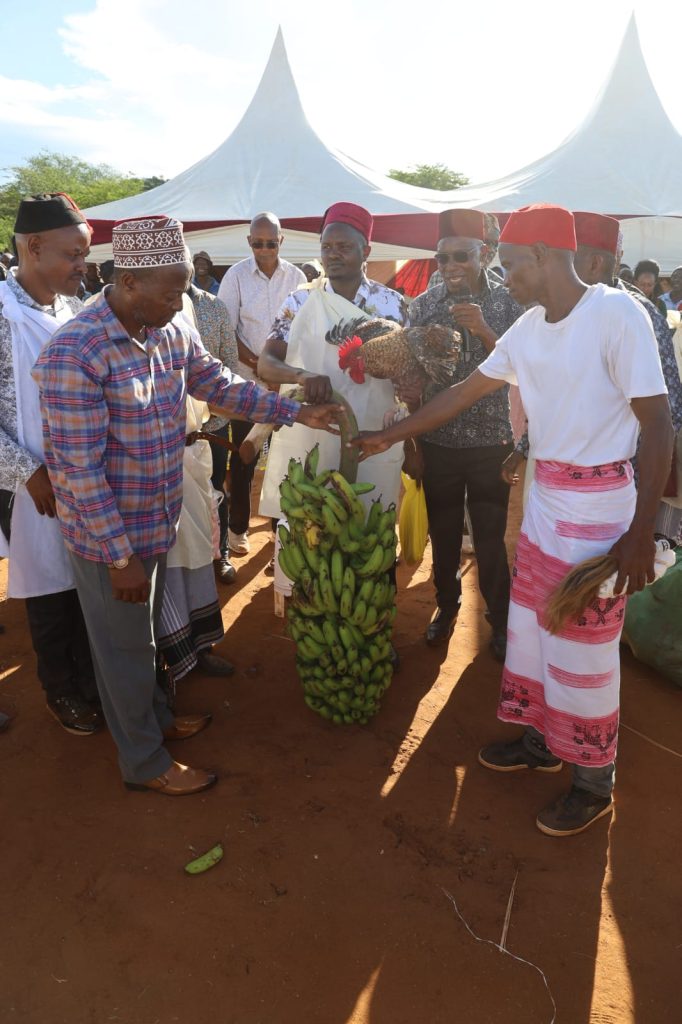
Moses Olekaria Kachike, (Centre) Deputy Director for Policy Advisory Services at the Executive Office of the President.
Speakers at the forum stressed that recognition goes beyond identity. They said it would open doors to government services, resource allocation and equal participation in national development opportunities the community has struggled to access for decades.
The initiative reflects the broader inclusivity agenda championed by President William Ruto, which seeks to bring historically overlooked communities into the national fold. It also reinforces Kenya’s commitment to ensuring no group is left behind.
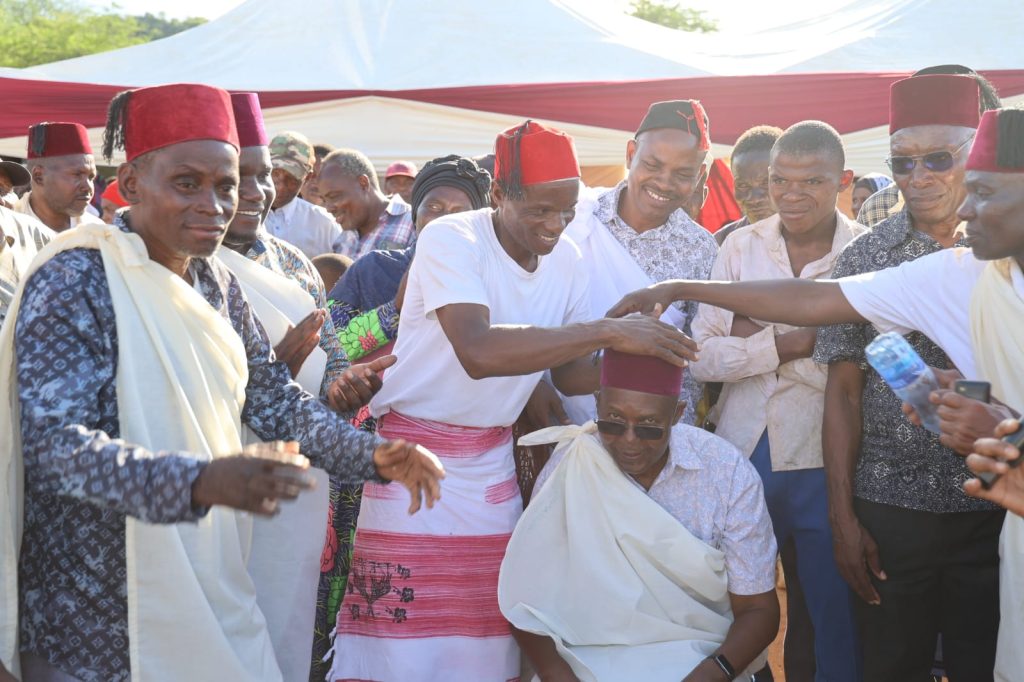
The meeting attracted top county leadership, including Governor Andrew Mwadime and former Governor John Mruttu, as well as the Deputy County Commissioner. Their presence highlighted growing political support for the cause.
For residents, the moment carried deep significance. Beyond policy and procedure, it marked recognition of their identity and dignity—and a long-awaited step toward full inclusion in Kenya’s social and economic life.