
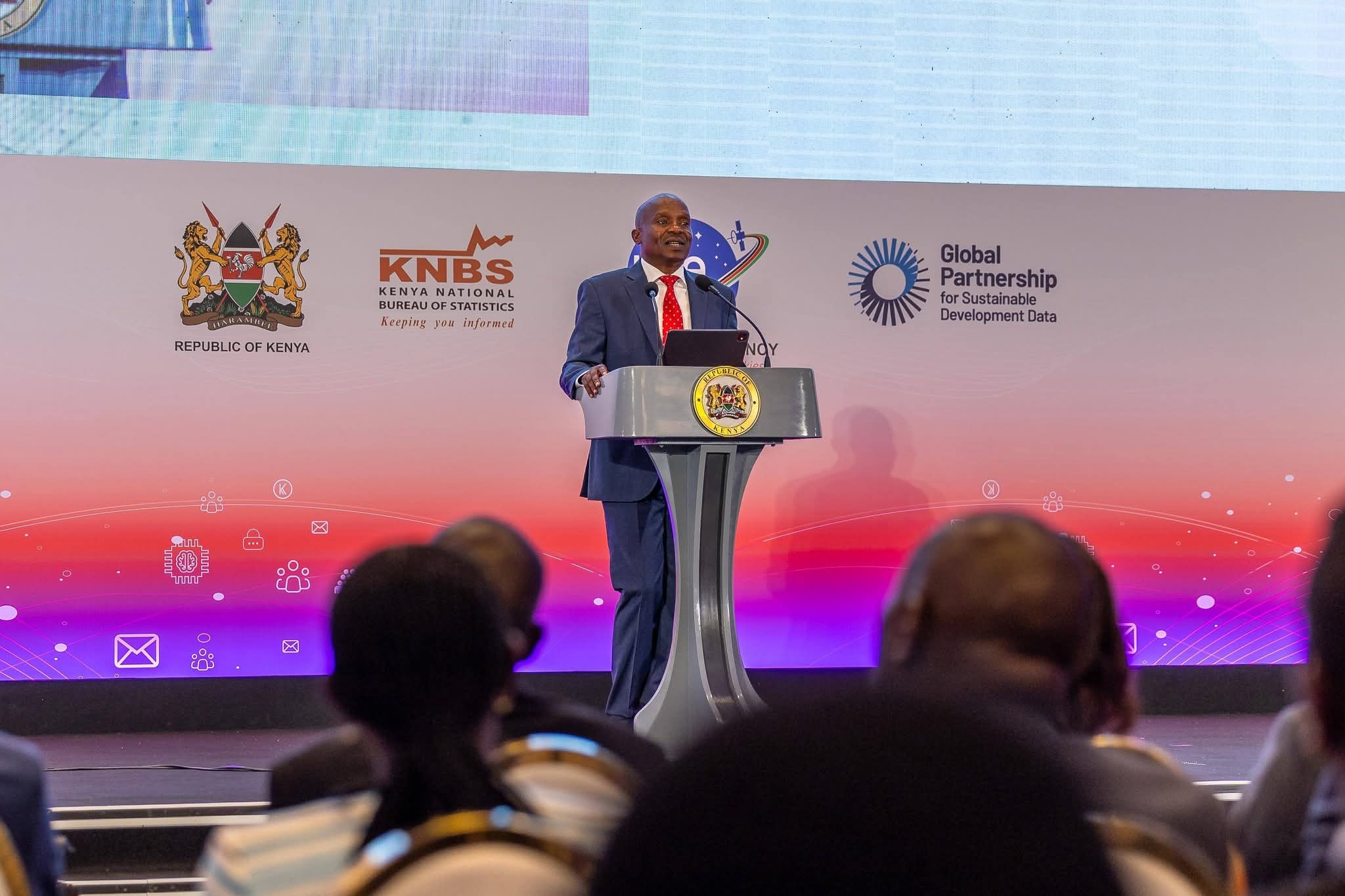
Deputy President Prof. Kithure Kindiki speaking during the opening of the Global Data Festival and Kenya Space Expo & Conference 2026.
By Peace Muthoka
NAIROBI, June 2, 2026 — Kenya on Tuesday took center stage in global conversations on technology, innovation and sustainable development as leaders, policymakers and experts gathered in Nairobi for the opening of the Global Data Festival and Kenya Space Expo & Conference 2026.
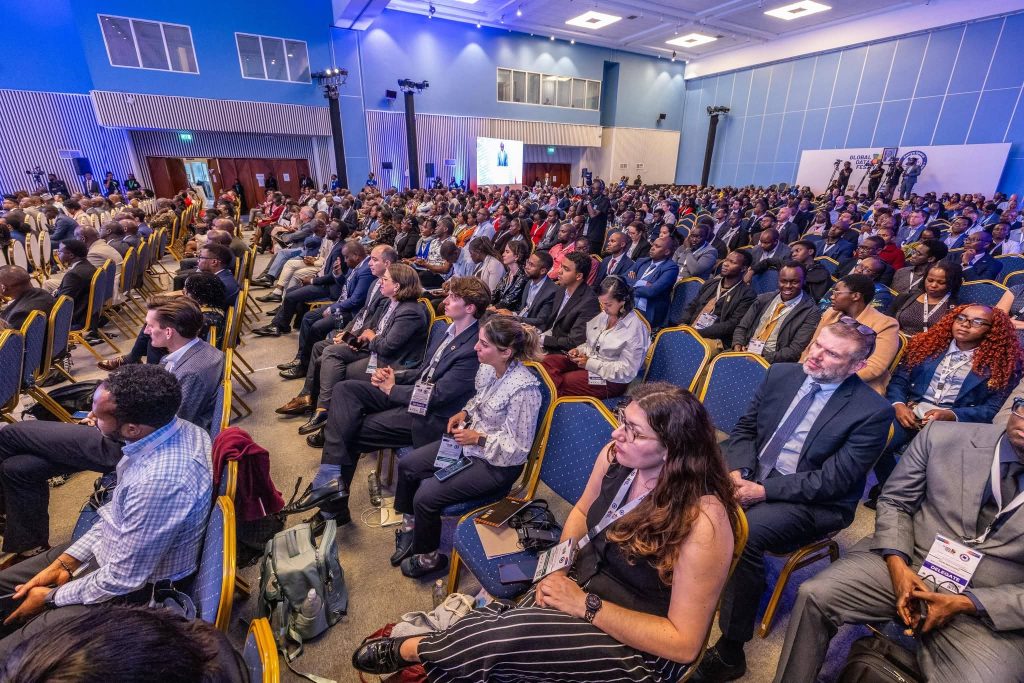
The four-day event, being held at The Edge Convention Centre from June 2 to 5, has brought together more than 1,000 delegates from over 65 countries to explore how data, artificial intelligence and space science can help countries tackle growing development challenges.
For Kenya, the gathering marks a major milestone. Not only is this the third Global Data Festival to be held globally, but it is also the first edition to take place in Africa, placing the country at the forefront of discussions on the future of data-driven development.
The conference is jointly hosted by the Government of Kenya through the Kenya National Bureau of Statistics (KNBS), the Kenya Space Agency (KSA), and the Global Partnership for Sustainable Development Data (GPSDD).
Officially opening the conference, Deputy President Prof. Kithure Kindiki said the world was undergoing a rapid technological transformation, making data one of the most valuable tools for economic growth and decision-making.
“Data has become the currency of change,” Kindiki said.
He observed that throughout history, technological shifts from electricity and the internet to artificial intelligence have transformed how societies govern, trade and learn.
Today, he said, countries with strong data systems are better placed to plan, innovate and provide services to citizens.
“Data determines who can plan, who can compete, who can innovate and who is visible to systems that shape decisions,” he said.
At the same time, the Deputy President cautioned that technology has also widened inequalities between those with access to infrastructure, capital and skills and those left behind.
As countries continue to grapple with climate change, food insecurity, debt burdens and conflict, Kindiki stressed that the focus should not only be on developing advanced technologies but ensuring they are inclusive.
“The greater challenge is not building powerful technologies, but creating resilient and inclusive technologies,” he said.
“Technology should not become an instrument for the prosperity of a few people but rather a gateway to inclusive development, prosperity and dignity for as many people as possible.”
Furthermore, Kindiki called for a shift in how countries view data, saying national data systems should be treated as critical infrastructure in the same way governments prioritize roads, hospitals, schools and electricity.
According to him, strong data systems help governments plan effectively, target resources better and improve service delivery at the grassroots.
“Development is best realized where medicine is dispensed, where teachers are deployed, where roads connect farmers to markets and where families await access to clean water,” he said.
He pointed to Kenya’s progress in digital transformation, citing the country’s first fully digital population census in 2019 and increased use of satellite technology in agriculture, climate adaptation, disaster management and environmental monitoring.
Kindiki said the decision to hold the Global Data Festival alongside the Kenya Space Expo was deliberate, noting that data and space science are increasingly interconnected.
“The link between data and space is practical because it enhances decision-making and action,” he said.
Even so, the Deputy President challenged African countries to invest in homegrown data systems instead of depending heavily on information generated elsewhere.
“We risk creating a new form of dependency if we rely on intelligence produced from data that does not reflect our realities,” he warned.
Earlier, Defence Cabinet Secretary Hon. Soipan Tuya described the conference as a landmark moment for Kenya and the international community, saying it had created an important platform for learning, innovation and partnerships.
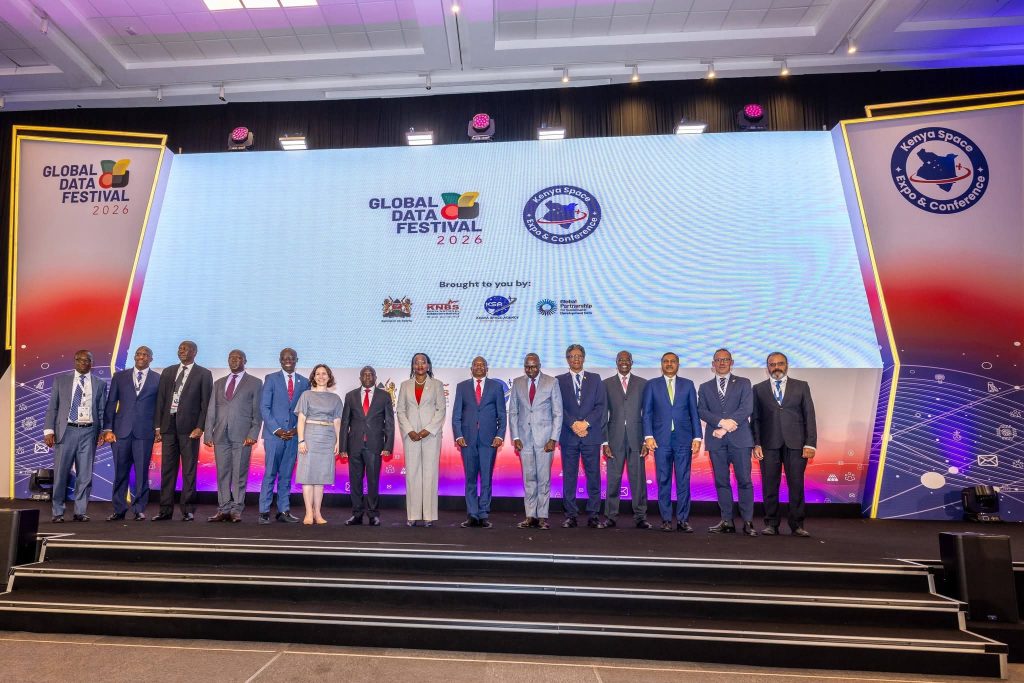
Tuya thanked the Kenya Space Agency, KNBS and the Global Partnership for Sustainable Development Data for bringing together experts, policymakers, innovators and development partners from across the world.
“This gathering is about unlocking the transformative power of data and ensuring it is accessible, inclusive, reliable and effectively utilized to improve lives and strengthen institutions,” she said.
At the same time, Tuya made a passionate appeal for young people to be actively included in conversations on technology and innovation.
Rather than waiting years for youth to take leadership spaces, she said, they should be given opportunities immediately.
“We should not wait for the next ten years to have our young people on this stage. They should be here tomorrow because they know a lot that we do not,” Tuya said.
She further called for what she termed “reverse mentorship,” where older generations also learn from young innovators.
Meanwhile, Special Envoy on Technology Philip Thigo said the conference comes at a crucial moment, with only four years remaining before the deadline for achieving the Sustainable Development Goals (SDGs).
He explained that the Global Data Festival was founded in 2015 to strengthen data systems required to monitor development progress and accelerate implementation of global goals.
By bringing together experts in data science and space technology, Thigo said the forum provides an opportunity to discuss issues such as data interoperability, digital policies and investments needed to drive sustainable development.
He noted that modern data systems now go beyond government statistics, incorporating geospatial information, climate data and private sector-generated information.
“The question is how we collaborate and share data in a way that benefits everybody while ensuring safety, privacy and security,” he said.
Thigo added that private sector players, including telecommunication companies, possess valuable data that could significantly benefit sectors such as agriculture and climate response if properly shared.
For instance, he noted, weather-related information collected by telecom companies could help farmers make informed decisions.
On his part, Kenya National Bureau of Statistics Director General Dr. MacDonald Obudho said the event represents a major achievement for Kenya, noting that previous editions were held in Bristol in the United Kingdom and Uruguay.
“This is the first time the Global Data Festival is happening on African soil, and we are proud that Kenya is hosting it,” he said.
Obudho explained that the conference brings together both producers and users of data from government, private sector and civil society to bridge existing gaps.
While acknowledging persistent challenges in statistics, he said Kenya has increasingly embraced citizen-generated data and artificial intelligence to strengthen decision-making.
“In the bureau, we have established a data science centre that is helping us prepare for AI and modernize how statistics are produced,” he said.
He further highlighted efforts by KNBS to include often overlooked groups in national statistics, citing the inclusion of intersex persons in the national census and ongoing efforts to collect welfare data on refugees in camps such as Dadaab and Kakuma.
At the same time, Chief Executive Officer of the Global Partnership for Sustainable Development Data Jennifer Slotin underscored the economic benefits of investing in national data systems.
Slotin said research commissioned by the organization showed that every dollar invested in data systems generates an average return of 32 dollars.
“That is an economic return before even considering the social, environmental and institutional benefits,” she said.
According to Slotin, strong and credible national data systems also help attract investment since investors rely on accurate information to assess risks before committing resources.
“Without strong, validated and accurate information, investors may assume the risk is higher and decide not to invest,” she said.
Echoing the sentiment, Thigo revealed that Kenya attracted nearly 984 million US dollars in investments last year the highest in Africa partly due to strong systems that allow investors to assess businesses and economic trends.
As the conference continues throughout the week, participants are expected to discuss emerging technologies, artificial intelligence, climate resilience, food systems, digital governance and financing for sustainable development.