STRI Week Highlights Science as Key to Kenya’s Future Growth
By Peace Muthoka
Nairobi, May 22, 2026 – Kenya has renewed calls to place science, technology, research and innovation at the centre of national development following the successful conclusion of the inaugural Science, Technology, Research and Innovation for Society (STRI4Society) Week 2026 in Nairobi.
The week-long event, held under the theme “Igniting Innovation: Bridging Science and Society for Sustainable Development,” brought together more than 5,000 participants, including scientists, innovators, policymakers, students, researchers, investors and development partners to explore how science can drive economic growth and improve livelihoods.
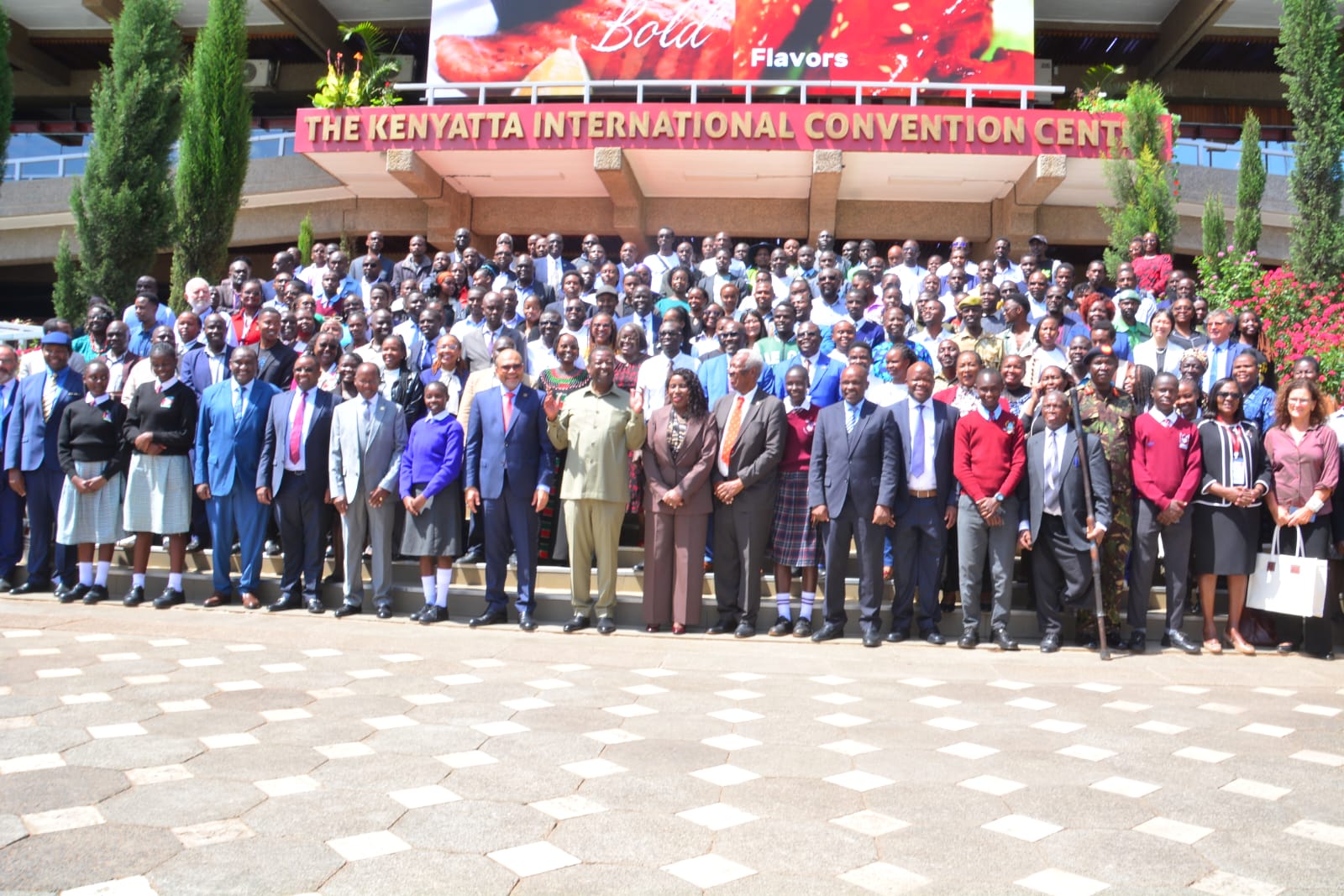
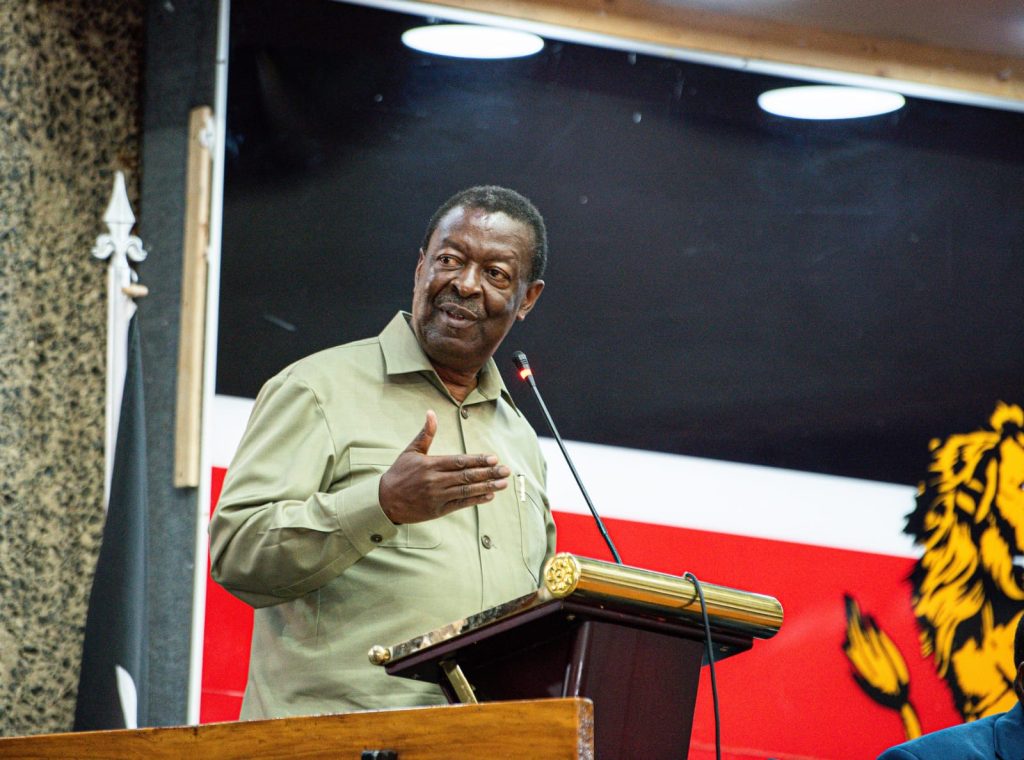
Speaking during the official closing ceremony at the Kenyatta International Convention Centre (KICC), Prime Cabinet Secretary and Cabinet Secretary for Foreign and Diaspora Affairs, Musalia Mudavadi said Kenya must move beyond scientific discoveries and focus on transforming research into practical solutions that directly benefit citizens.
He noted that science should not remain confined to laboratories and academic institutions but must instead shape policies, industries and communities to support sustainable development.
“The true value of science lies in its transition from discovery to application and from knowledge generation to practical use,” Mudavadi said.
He described the inaugural STRI Week as a major milestone in positioning Nairobi as a regional hub for science, technology and innovation, adding that the event had demonstrated Kenya’s determination to harness knowledge for social and economic transformation.
According to Mudavadi, the government views science, technology and innovation as critical pillars in solving national challenges, creating jobs and strengthening Kenya’s competitiveness in a rapidly changing global economy.
He further pointed to the recently launched Kenya Science, Research and Innovation Synergy Blueprint as one of the government’s key strategies to streamline and strengthen the country’s research and innovation ecosystem.
At the same time, Mudavadi assured stakeholders of the government’s commitment to increase funding for science, research and innovation to at least two percent of Kenya’s Gross Domestic Product (GDP), saying increased investment would help bridge the gap between universities, industries and communities.
He explained that stronger funding would enable ideas developed in research institutions to transition into market-ready innovations capable of addressing everyday challenges facing Kenyans.
Furthermore, Mudavadi said the newly established State Department for Science, Research and Innovation is expected to improve coordination within the sector, enhance collaboration among institutions and ensure research contributes meaningfully to policy and national development.
He also welcomed the introduction of the Grand Challenge Initiative, a programme aimed at funding innovative solutions to pressing social and economic problems through scientific research.
Meanwhile, Principal Secretary for the State Department for Science, Research and Innovation, Shaukat Abdulrazak said the conference had provided an important platform for collaboration among researchers, government agencies, universities, industries and international partners.
Over the course of the week, experts delivered 34 scientific presentations focusing on areas such as climate change, healthcare, artificial intelligence, biodiversity, digital transformation and sustainable development.
According to Abdulrazak, the sessions encouraged knowledge exchange, networking and interdisciplinary partnerships while strengthening Kenya’s ambition to become a regional innovation leader.
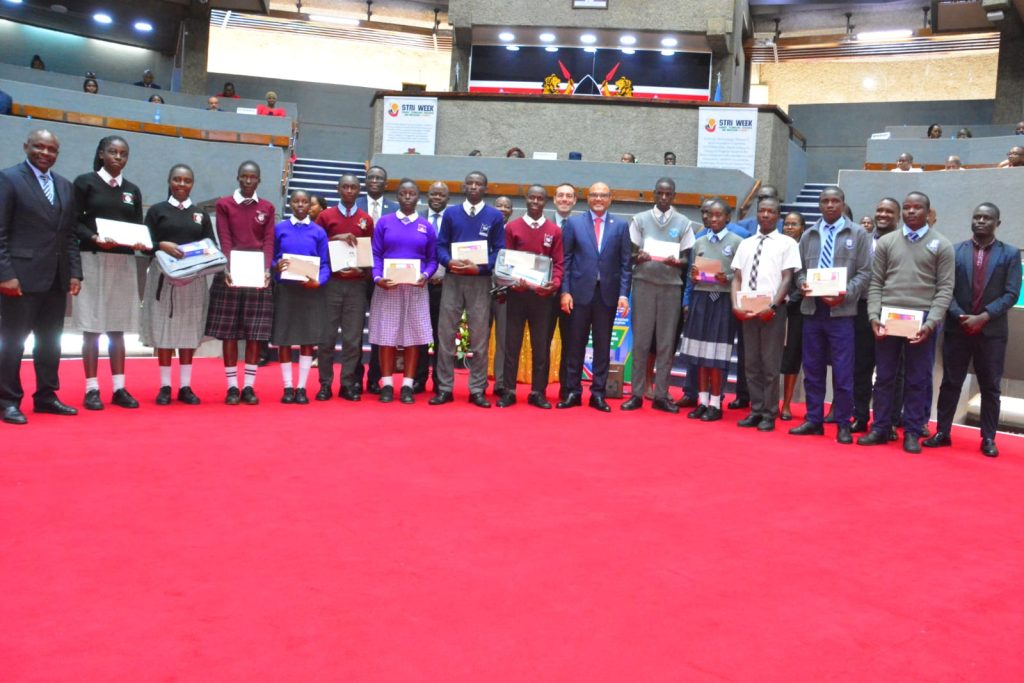
He also highlighted mentorship programmes and student participation, saying the event inspired young people, particularly girls, to pursue careers in science, technology, engineering and mathematics (STEM).
In addition, Abdulrazak stressed the need to make science more accessible to ordinary citizens, saying researchers must communicate scientific knowledge in ways that communities, policymakers and the media can easily understand.
“Science must be appreciated by society because it has the power to transform economies and improve lives,” he said.
In a major announcement during the closing session, Abdulrazak unveiled the Grand Challenge Kenya Platform, an initiative designed to fund scientists and innovators working on solutions to national and global development challenges.
The programme will support six high-risk research grants of up to US$300,000 each and provide additional funding for the most promising innovations over a five-year period.
He said the initiative places Kenya among countries investing strategically in science-driven solutions while strengthening the country’s role in the global innovation landscape.
As the inaugural STRI Week came to an end, leaders called on researchers, universities, investors and policymakers to sustain partnerships and transform ideas discussed during the forum into practical solutions.
Mudavadi urged stakeholders to ensure research goes beyond publications and delivers real impact by creating jobs, improving livelihoods and supporting Kenya’s long-term development goals.
He said the success of the first STRI Week had demonstrated that science, research and innovation are increasingly becoming central to building a resilient, competitive and knowledge-based economy.