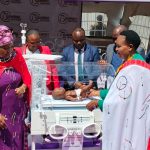
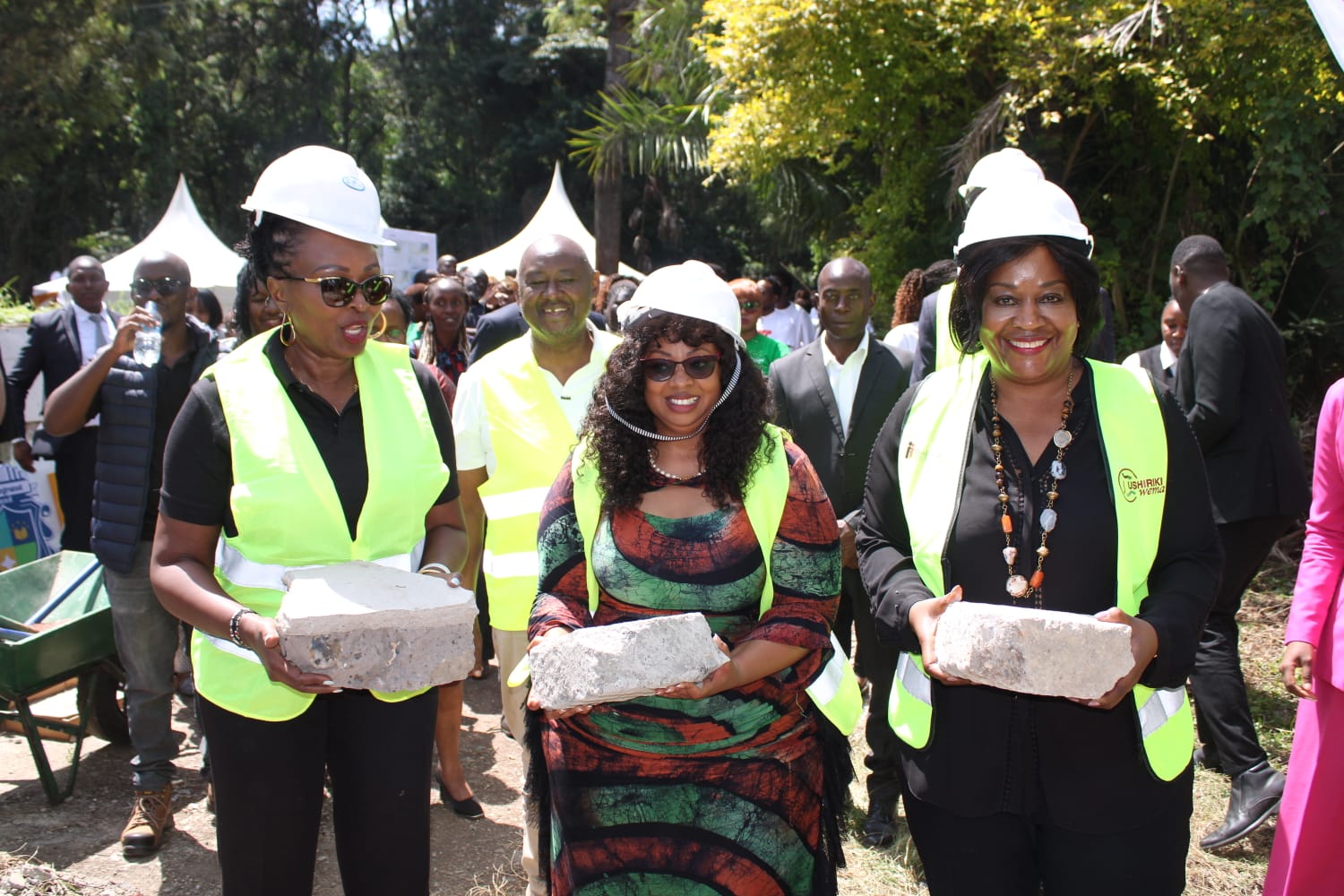
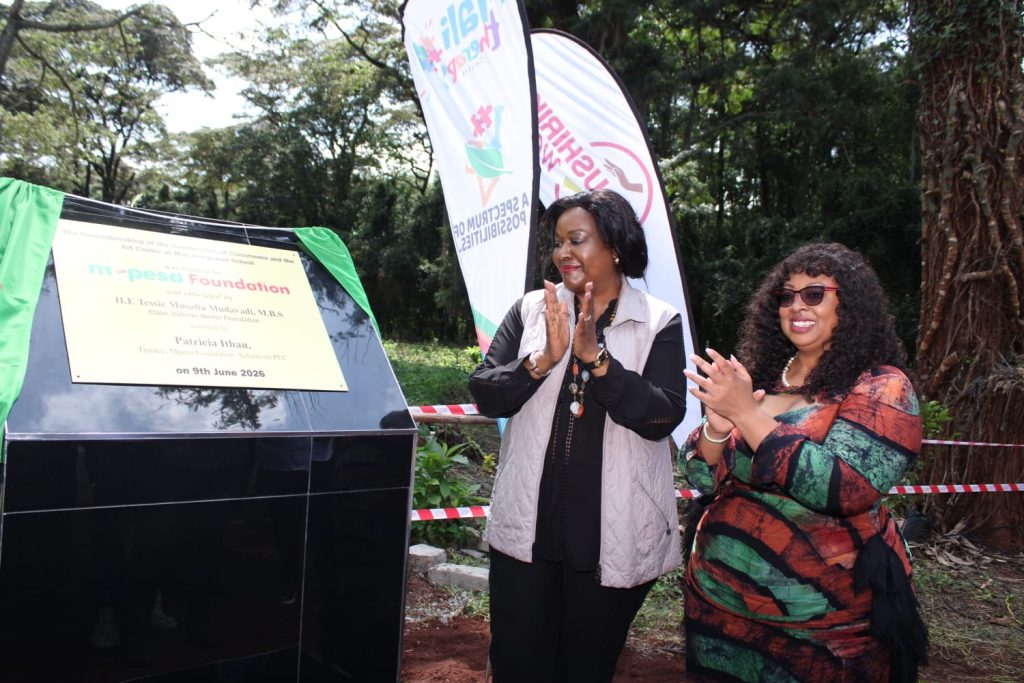
Ushiriki Wema Foundation Chair Tessie Musalia, (right), Mali Integrated School Director Pauline Wamukowa (centre) and the M-PESA Foundation Trustee Patricia Ithau during the groundbreaking ceremony for the expansion of Mali Integrated School at Mali Therapy Centre in Karen, Nairobi County .
By Editorial Team
NAIROBI, June 9, 2026 — Efforts to advance inclusive education in Kenya received a major boost on Tuesday following the groundbreaking of Mali Integrated School in Karen, Nairobi, a facility expected to transform learning for children with diverse educational needs.
The school, located along Kerarapon Road, is being established to provide an integrated learning environment where neurodivergent children and learners with disabilities will study alongside their peers, promoting inclusion, equal opportunity and social integration.
Speaking during the groundbreaking ceremony, Ushiriki Wema Foundation Chairperson Madam Tessie Musalia said the project marks a critical milestone in building an education system that embraces every child regardless of ability.
She described the groundbreaking as an act of hope and a declaration that children whose educational journeys have often faced barriers deserve environments that recognize, nurture and celebrate their abilities.
“Integration is not an act of charity; it is an evidence-based approach to learning and development,” she said.
According to Madam Musalia, integrated education allows learners with different abilities, backgrounds and learning needs to share classrooms, creating a stronger sense of belonging while encouraging collaboration, mutual support and improved educational outcomes.
She stressed that achieving a truly inclusive society requires collective effort from government institutions, educators, healthcare professionals, communities and development partners.
“The Kenya we are building cannot afford to leave any child’s potential on the margins,” she said, adding that every child has something meaningful to contribute to society.
She noted that the government has established systems to support children with disabilities through interventions led by the Ministries of Health, Education, and Labour and Social Protection.
She said the Ministry of Health supports early intervention through disability assessments that help identify children’s needs and guide appropriate support, while the Ministry of Education continues to strengthen inclusive learning through policies aimed at supporting learners with disabilities.
She further encouraged parents to seek early assessment and registration for children through the National Council for Persons with Disabilities, saying the process helps families access assistive devices, education support services and social protection programmes.
“Registration is not about labelling a child. It is about recognition and unlocking support that helps children thrive,” she said.
The project is being supported through a partnership involving Ushiriki Wema Foundation and M-PESA Foundation, with the two organisations working to strengthen awareness, advocacy and infrastructure for vulnerable children.
She said the partnership reflects a growing commitment to inclusion where philanthropy and purpose converge to create opportunities for children often left behind.
The National Council for Persons with Disabilities also pledged support for the institution, describing it as a model for the future of inclusive learning in Kenya.
Regional Coordinator Jane Wamugu said Mali Integrated School represents more than a construction project, terming it an investment in dignity, opportunity and equitable education.
She said the school will provide an environment where learners with and without disabilities can learn side by side while fostering understanding, empathy and respect among children from different backgrounds and abilities.
Wamugu said the Council will work closely with the institution to ensure accessibility and inclusion remain central to its operations through technical guidance, teacher training, assistive technologies and disability-friendly infrastructure.
Once complete, the school will feature accessible classrooms, pathways, sanitation facilities and inclusive learning resources designed to support all learners.
Education stakeholders attending the ceremony expressed optimism that Mali Integrated School will emerge as a centre of excellence for integrated education and a symbol of Kenya’s commitment to ensuring no child is left behind.
As construction begins, stakeholders said the success of the project will not only be measured by the buildings erected but by the barriers removed and opportunities created for generations of children seeking quality and inclusive education.