
“Schneider Electric Champions Inclusive Energy Transition as EAIF 2026 Begins”
By Peace Muthoka
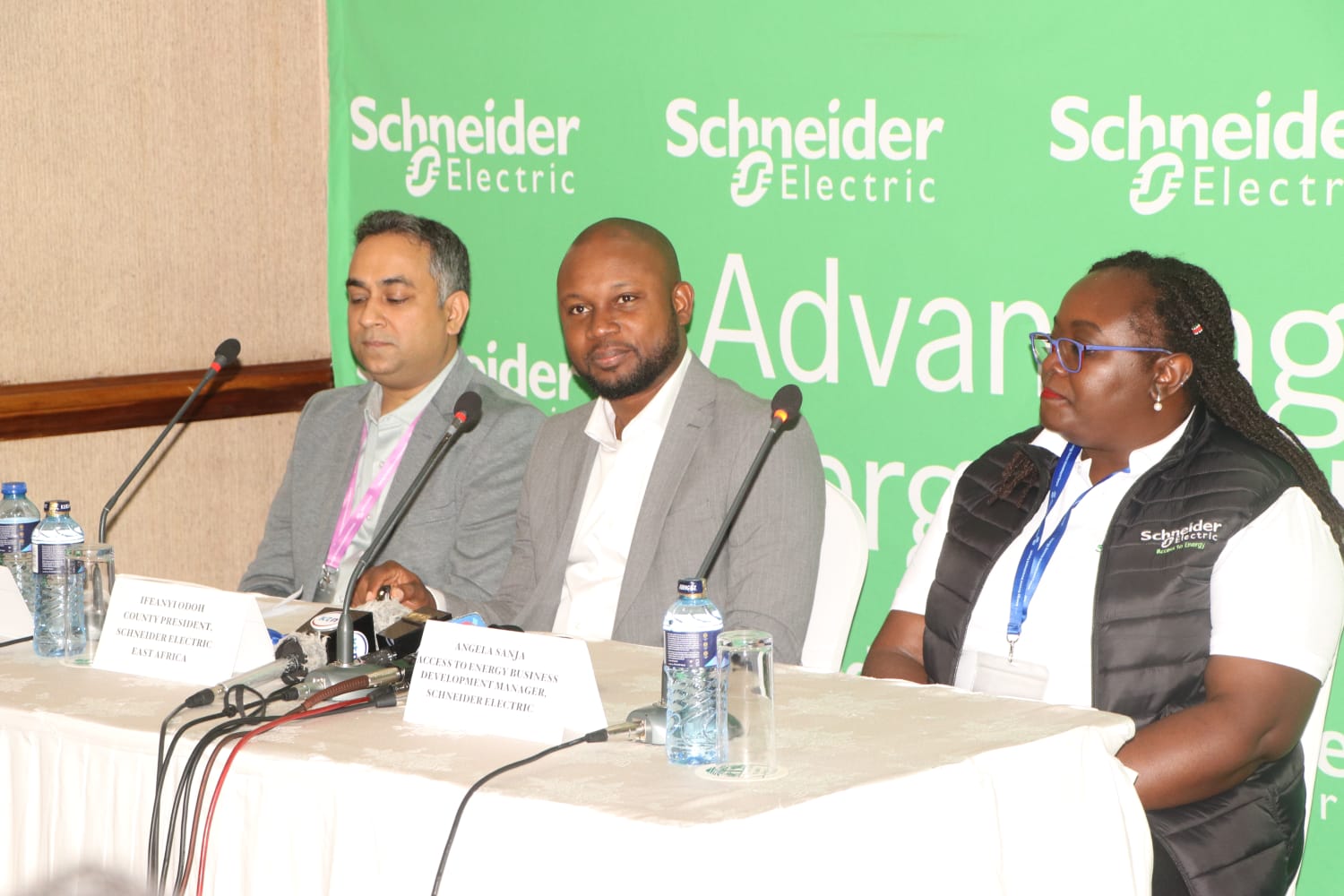
Nairobi, April 21, 2026 — “Schneider Electric has reaffirmed its commitment to advancing an inclusive energy transition across Sub-Saharan Africa,” as the four-day ARE Energy Access Investment Forum (EAIF) 2026 began today.
The company said the move comes at a critical time, “with more than 666 million people globally still lacking access to electricity, and Sub-Saharan Africa accounting for the largest share of this gap.” It added that achieving universal access by 2030 will require faster deployment of distributed renewable energy solutions and stronger collaboration between public and private sector players.
During the forum, Schneider Electric is engaging media and stakeholders to demonstrate how it is accelerating access to “affordable, reliable, and sustainable energy solutions,” while supporting long-term socio-economic growth and climate resilience in underserved communities.
Speaking at the session, Ayush Gupta, Access to Energy Business Director at Schneider Electric, introduced the company’s broader vision and called for partnerships.
“Going on this journey, we want to introduce ourselves and work together to see the opportunities,” he said.
Gupta said understanding the global context is key to shaping solutions, noting that emerging trends continue to redefine the energy landscape.
“What is driving decisions? What are the things happening around us? These shape the opportunities we see,” he said.
He highlighted three megatrends, including shifts in energy demand, rapid digitalisation, and global supply chain changes.
“There is rapid growth in energy demand and a shift in how we produce and consume electricity, with more renewables coming in,” he said.
On digitalisation, he noted, “AI is here to stay, but it is power-hungry and requires strong infrastructure.”
He also pointed to rising population and infrastructure needs.
“In the next 25 years, Africa and India will see massive infrastructure growth. The scale of construction will match what exists today in Europe and China combined,” he said.
Closer to home, Gupta said East Africa is undergoing rapid transformation. “We have a youthful population, growing infrastructure, and increasing demand for energy,” he said.
He added that the company is strengthening its local footprint. “Together with our partners, we are able to multiply our local assembly capacity in Kenya by three times,” he said.
Gupta said Schneider Electric is positioning itself as “an energy technology partner,” supporting industries, buildings, and data centres through digital and energy solutions.
He stressed that the company’s approach goes beyond business. “We are not just looking at big business. Through our access to energy programme, we support people living without reliable power,” he said.
He added, “We have training centres, even here in Kenya, to build the competencies needed for the industries of tomorrow.”
At the forum, the company is showcasing decentralised energy solutions designed to expand electricity access in remote areas.
These include the Homaya Advanced Solar Solution, which supports households, schools, and healthcare facilities, alongside digital monitoring through EcoStruxure™ Energy Access.
Another solution, the Altivar Solar ATV320, supports solar-powered water pumping.
“It helps improve agricultural productivity, food security, and public health outcomes,” the company said.
Schneider Electric also highlighted its Climate Smart Village model, described as “a community-centred approach that combines technology, local engagement, and sustainable development.”
The model has already delivered results in India, improving livelihoods and reducing carbon emissions.
“Access to energy must go hand in hand with strengthening human capacity and fostering local entrepreneurship,” Gupta said.
“Since 2009, we have integrated clean electricity access with vocational training and support for entrepreneurs, ensuring communities gain economic opportunities and long-term self-reliance.”
According to the company, its programmes have impacted more than 61 million people globally, with a target of reaching 100 million by 2030.
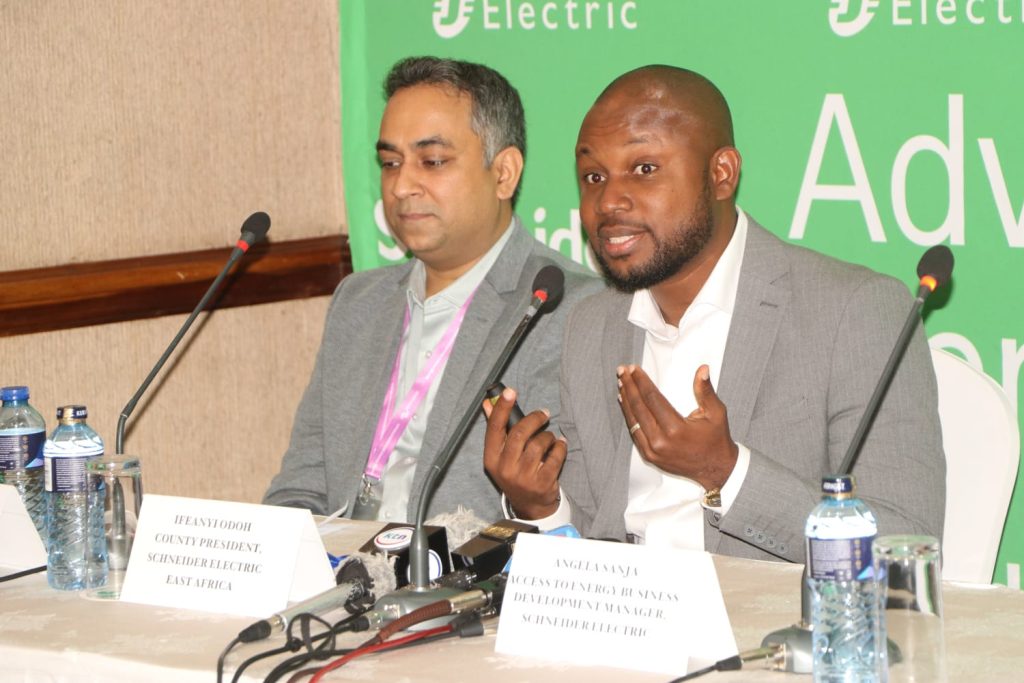
Ifeanyi Odoh, Country President of Schneider Electric East Africa, said localised solutions are key to lasting impact.
“Access to clean and reliable electricity can transform communities by unlocking economic opportunity and strengthening resilience,” he said.
“This requires solutions rooted in local realities and supported by strong partnerships.”
Angela Sanja, Access to Energy Business Development Manager at Schneider Electric, said the company is focused on practical and sustainable interventions.
“We provide robust solutions that allow users to manage and maintain systems locally, reducing costs and improving sustainability,” she said.
She added that the solutions are designed to improve lives while supporting future generations.
As the forum continues, Schneider Electric is calling for stronger collaboration.
“Together, we can solve the energy challenge and build a more sustainable future,” Gupta said.