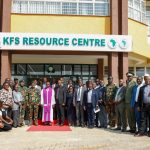
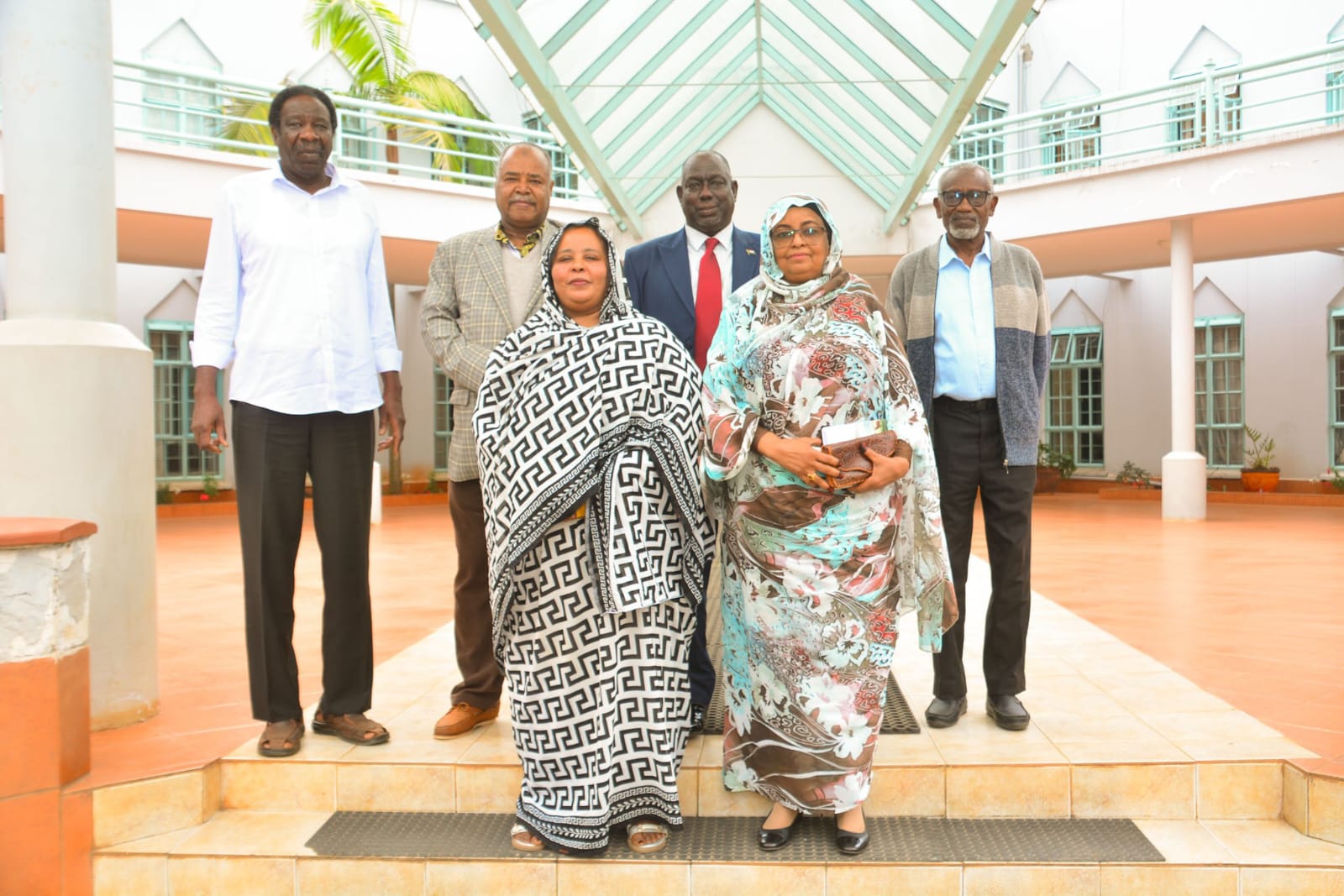
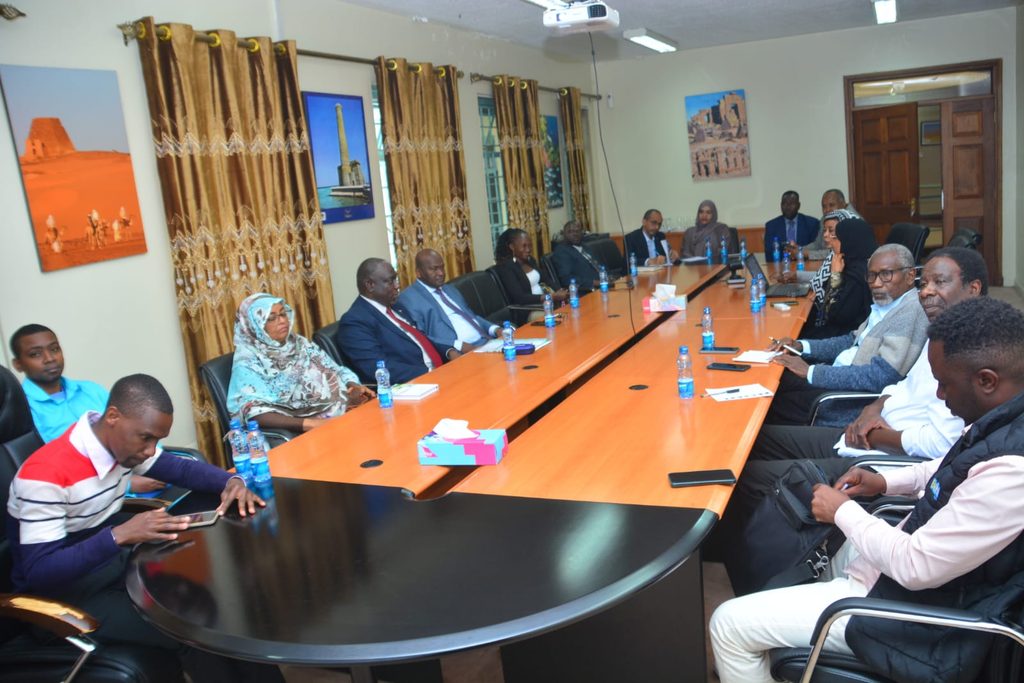
Stakeholders pose for a group photo during a workshop on the current state of wildlife and natural reserves in Sudan held in Nairobi on Wednesday, September 9, 2026
By Peace Muthoka
NAIROBI, Kenya, September 9, 2026 — Sudan is seeking stronger international partnerships, technical expertise and investment to protect its wildlife and natural reserves while turning its rich biodiversity into opportunities for education, tourism and sustainable development.
The call was made on Wednesday, September 9, 2026, during a workshop on the current state of wildlife in Sudan held at the Embassy of the Republic of Sudan, Nairobi.
The workshop brought attention to the country’s extensive protected-area network, the challenges facing wildlife conservation and the need to strengthen Sudan’s participation in international wildlife programmes.
Sudan’s conservation journey dates back to 1935, when the country began establishing protected areas following the London Conference on the establishment of nature reserves in Africa.
Today, its national protected-area system is built around national parks, reserved areas and bird sanctuaries, covering diverse landscapes ranging from savannahs and deserts to mountains and marine ecosystems.
Among the country’s eight national parks is Dinder National Park, established in 1935 and covering more than 10,000 square kilometres across Gadarif, Blue Nile and Sennar.
Radom National Park in South Darfur, Jebel Hassania in River Nile State, Jebel El Dair in North Kordofan and the vast Wadi Howar National Park are also part of the network.
Wadi Howar stands out for its sheer size, covering about 69,826 square kilometres across North Kordofan, North Darfur and the Northern State.
Sudan’s wildlife heritage also extends to the Red Sea, where Sanganeb and Dungonab marine national parks protect important marine ecosystems.
Wildlife conservation beyond national parks
The country’s reserved areas provide another layer of protection for wildlife and biodiversity. They include Tokar, Sinkat, Al-Sabalouga and Arkwit, most of which were established in the late 1930s and 1940s.
Bird sanctuaries are equally important. The Khartoum Bird Sanctuary, also known as Sunut Forest, was declared in 1939 to protect resident and migratory waterbirds.
The sanctuary hosts more than 110 resident and migratory bird species, according to the environmental assessments presented during the workshop.
Sudan also has three wetlands listed under the Ramsar Convention: Dinder National Park, Dungonab Bay and Mukkawar Island, and Suakin/Agig Bay.
These wetlands provide important habitats for migratory birds while supporting fisheries and contributing to the management of water resources.
However, the workshop highlighted the need for updated management plans, regular environmental monitoring and stronger technical capacity to safeguard these ecosystems.
Building a stronger wildlife sector
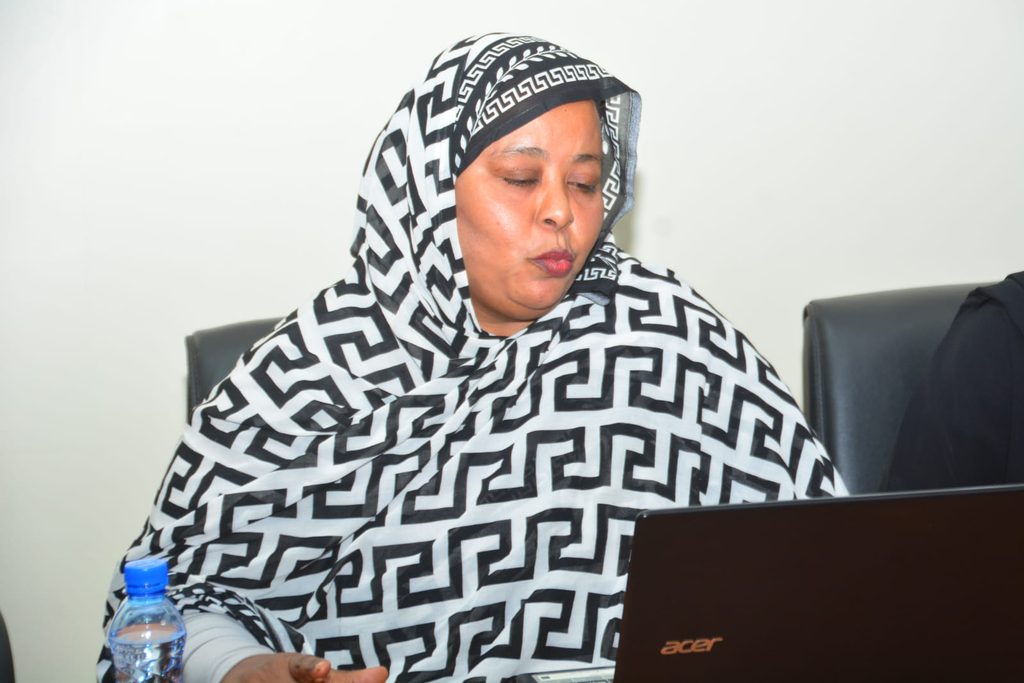
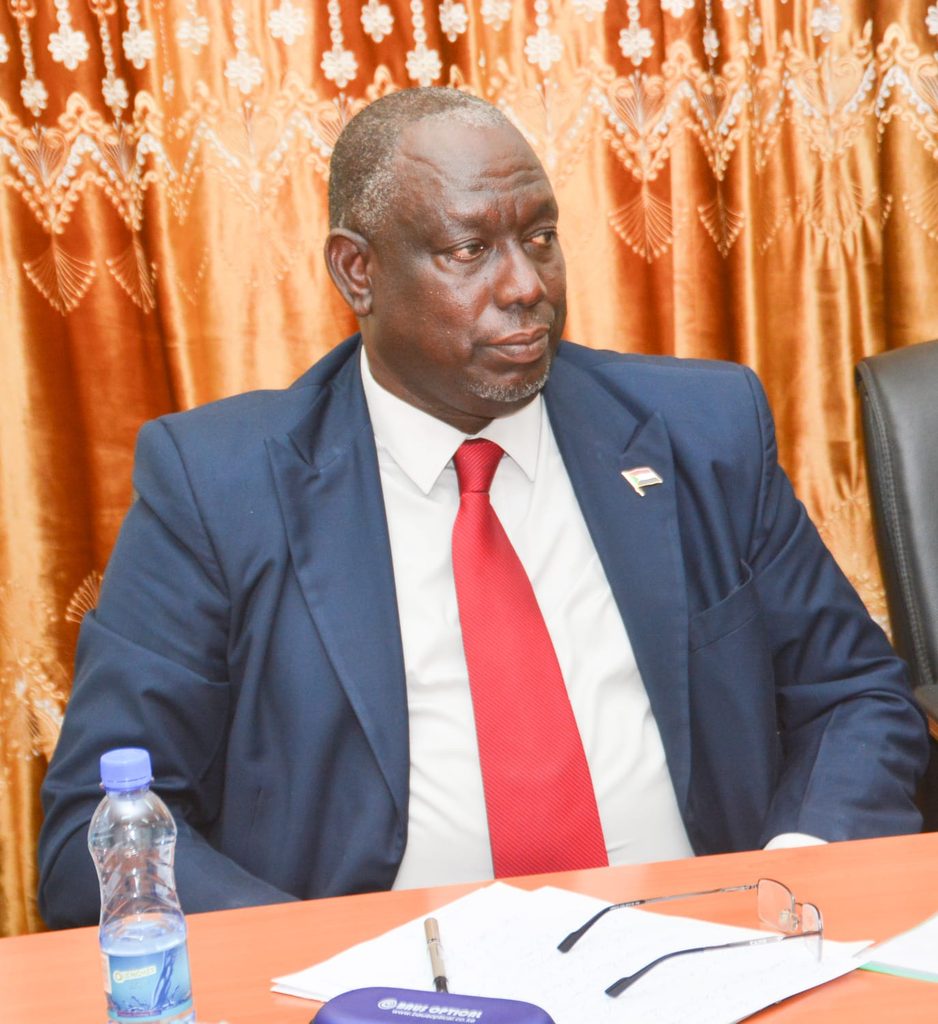
Leila Osman, Deputy Director of Foreign Affairs and Organisation at Sudan’s Ministry of Tourism, Culture and Wildlife, identified limited institutional capacity as one of the major challenges affecting the country’s wildlife sector.
Osman said Sudan’s participation in international wildlife agreements and programmes needs to become more active, noting that the country has often joined processes at the final stages instead of contributing from the beginning.
She also pointed to a shortage of specialised experts and institutional support needed to manage environmental programmes and maximise opportunities offered by international organisations.
The gap, she said, also affects the ability to attract investors into tourism and wildlife projects.
For Osman, however, Sudan’s natural heritage presents an opportunity that goes beyond conservation.
She highlighted plans to establish urban wildlife education centres in 10 major cities to introduce people living in towns and cities to Sudan’s wildlife.
The centres are intended to serve as educational spaces for schools and universities while also creating opportunities for revenue generation and tourism.
Connecting communities with conservation
Osman stressed the importance of placing people at the centre of environmental conservation.
She argued that efforts to mobilise support for Sudan’s wildlife sector should demonstrate how conservation can improve people’s lives, create opportunities and contribute to sustainable development.
“Integrate people and environment,” she said, emphasising the need to link human development with environmental conservation.
Sudan’s ecological diversity, she noted, stretches from Jebel Marra and the Nuba Mountains to eastern Sudan, with the country also possessing important archaeological and marine attractions.
With proper planning, dedicated teams and international partnerships, she said, wildlife conservation could become a source of education, revenue and sustainable tourism.
Strengthening regional cooperation
The workshop also highlighted the importance of cross-border cooperation because Sudan shares ecosystems with Ethiopia, South Sudan, Chad, Egypt, Libya and Eritrea.
Sudan has bilateral agreements with neighbouring countries covering wildlife, water and environmental protection. However, their implementation remains constrained by limited funding and a lack of dedicated teams to follow up on commitments.
The discussions therefore pointed to the need for stronger regional cooperation alongside investment in technical skills, conservation infrastructure and wildlife education.
For Sudan, protecting wildlife is increasingly being viewed not only as an environmental responsibility but also as a way of opening new opportunities for communities, researchers, students, tourists and investors.
The workshop provided a platform to bring that vision into sharper focus, with conservation, education and sustainable tourism emerging as key areas through which Sudan can strengthen the value of its natural heritage.