Meitamei Olol Dapash:Narok North Parliamentary Aspirant
By Peace Muthoka
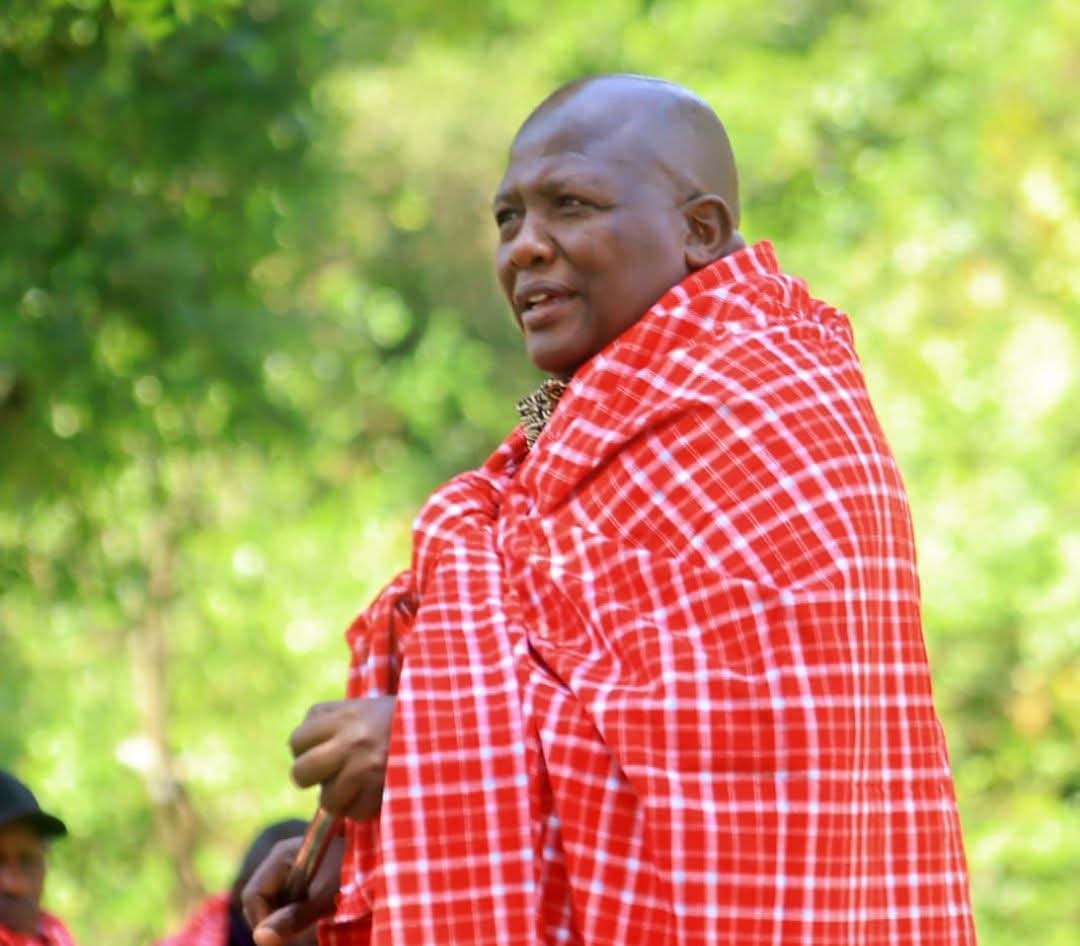
MAU NAROK, Narok County, June 8, 2026 — Renewed calls for land justice have emerged in Mau Narok after Narok North parliamentary aspirant and Maasai land rights activist Meitamei Olol Dapash demanded the recovery of nearly 30,000 acres of land, saying landlessness among Maa youth remains one of the region’s biggest challenges.
Speaking in Mau Narok, Meitamei Olol Dapash accused absentee landlords of holding vast tracts of land that he claimed should benefit local communities, particularly young people struggling to access land for livelihoods and economic empowerment.

He argued that despite the existence of large farms in the area, many Maa youth continue to face uncertainty over land ownership, leaving generations economically vulnerable.
“We continue to witness traumatizing landlessness among Maa youth while our lands in Mau Narok remain under the control of absentee landlords,” Dapash said, calling for justice, transparency, and the restoration of community land rights.
The activist demanded the unconditional surrender and recovery of several farms, including Muthera Farm, Rose Farm, Muchiri Farm, Kareu Farm, Nyachae Farms, and Kashemve Farm, among others. According to him, the disputed land measures approximately 30,000 acres.
He singled out Nyachae Farms, which he claimed spans nearly 12,000 acres, describing it as one of the largest properties at the center of the land dispute debate in the region.
Dapash maintained that addressing historical land injustices would help tackle poverty, unemployment, and economic marginalization affecting many Maa youth. He urged government agencies to investigate land ownership records and ensure all land acquisitions and occupations comply with constitutional and legal requirements.
For years, Dapash and other Maasai leaders have pushed for the return of what they describe as ancestral community land in Mau Narok, making land ownership one of the most sensitive and recurring issues in Narok County.
At the same time, he called on residents to remain united and peaceful while pursuing justice through constitutional, legal, and democratic channels.
“Our struggle is not against individuals,” Dapash said. “It is a struggle for justice, dignity, and a future where Maa youth can own land, build livelihoods, and participate fully in the development of this region.”
Beyond land ownership, the activist framed the movement as part of a wider push to preserve Maa identity, culture, and economic empowerment. He urged young people to embrace unity, knowledge, and leadership in shaping the future of the Maa community.
“The future of the Maa Nation will not be determined by politicians alone,” he said, emphasizing the need for youth to take an active role in reclaiming community heritage and advancing development.
The renewed demands are expected to reignite debate over historical land claims, ownership rights, and community justice in Mau Narok as political activity gradually builds ahead of future electoral contests in Narok County.