
Plastic Pollution Threatens Oceans as Coalition Demands Urgent Action
By Peace Muthoka
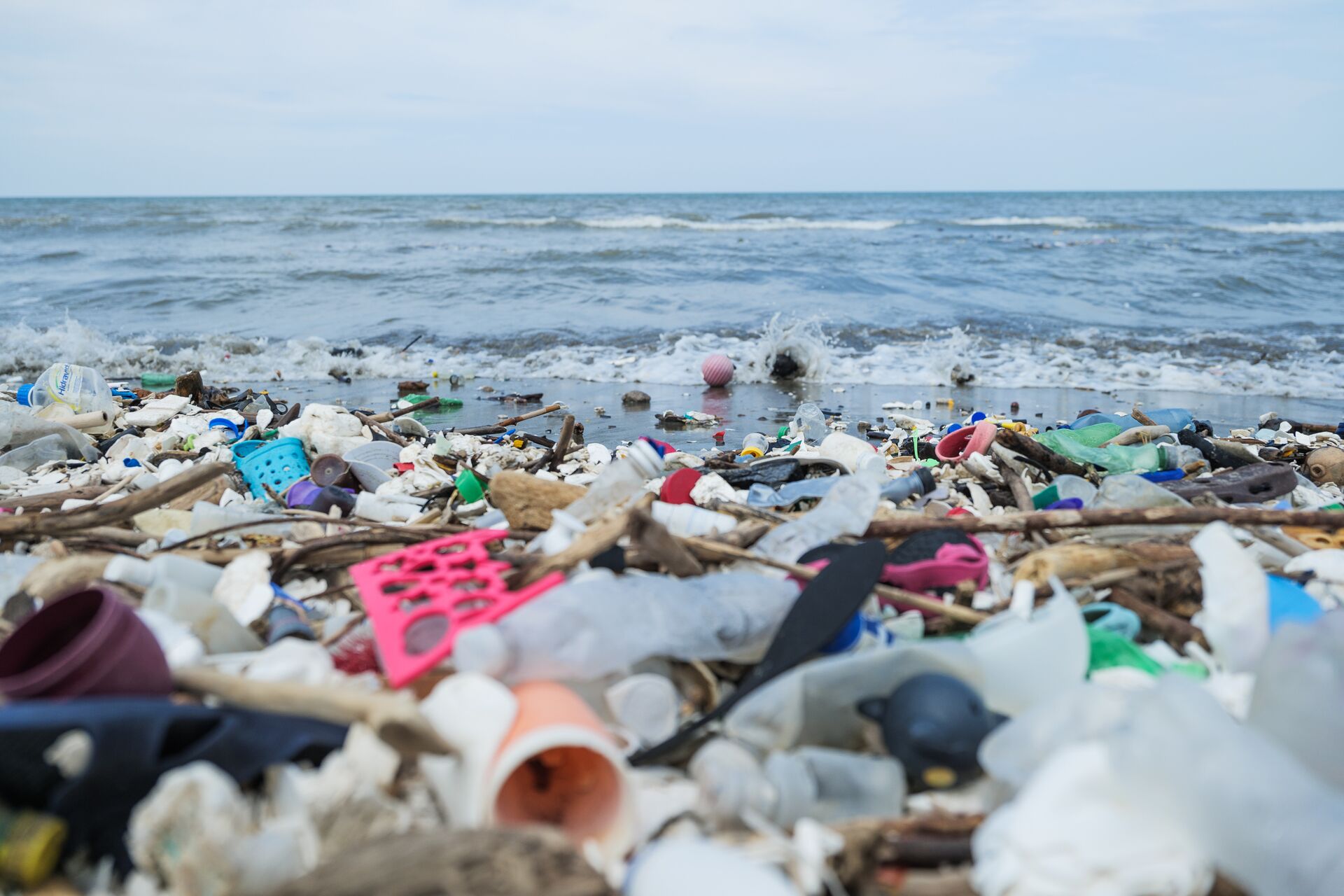
NAIROBI, June 18, 2026 — As Kenya hosts the 11th Our Ocean Conference in Mombasa, the Kenya Coalition to End Plastic Pollution has called for bold and measurable action to tackle plastic pollution, warning that the growing crisis poses a serious threat to marine ecosystems, public health, and the livelihoods of millions who depend on the ocean.
The coalition said plastic pollution has become one of the most pressing environmental challenges facing the world today, with oceans bearing the brunt of the damage. It noted that oceans and seas cover more than 70 percent of the Earth’s surface and play a critical role in sustaining life, regulating climate, and supporting economies.
For Kenya, the Indian Ocean remains an economic and ecological lifeline. The ocean supports more than two million livelihoods through sectors such as fisheries, tourism, and trade, while contributing an estimated Sh178 billion annually to the national economy. However, environmental groups warn that this vital resource is increasingly under threat from the rising tide of plastic waste.
According to the coalition, plastic accounts for nearly 80 percent of all marine litter globally. Once it enters the ocean, plastic waste endangers marine life through entanglement and ingestion, often causing injury or death. The impacts extend beyond marine ecosystems, with growing evidence linking exposure to toxic chemicals and microplastics to serious human health concerns, including cancer, reproductive disorders, endocrine disruption, and other long-term illnesses.
Griffins Ochieng’, Executive Director of the Centre for Environment Justice and Development (CEJAD), said studies conducted by the organization and its partners have found toxic chemicals in many recycled and everyday plastic products available in the Kenyan market.
“These chemicals can leach into the environment, while plastics continue to break down into microplastics that are ingested by marine life and eventually enter the human food chain through seafood consumption,” he said.
The coalition emphasized that protecting oceans requires addressing plastic pollution before it reaches marine environments.
Frederick Njau, Programme Coordinator for Sustainable Development at Heinrich Boell Foundation, noted that approximately 80 percent of marine plastic pollution originates on land through poorly managed waste systems.
“Most plastic waste is transported through rivers, waterways, and drainage systems before eventually reaching the ocean. This highlights the urgent need to strengthen waste management systems and stop pollution at its source,” he said.
The coalition also highlighted the disproportionate impact of plastic pollution on coastal communities.
Hellen Dena, Pan-African Plastic Project Lead at Greenpeace Africa, said communities living along the coast are often the first to experience the consequences of marine pollution.
“They witness polluted beaches, declining fish catches, damaged marine ecosystems, and contaminated food systems. At the same time, they remain central to the solutions. Supporting and empowering coastal communities is critical to protecting both human and ocean health,” she said.
As Africa hosts the Our Ocean Conference for the first time, environmental advocates urged governments, businesses, and development partners to move beyond commitments and focus on implementation.
Stephen Kariuki, Executive Director of the Mt. Kenya Network Forum, said the future of the world’s oceans depends on concrete action rather than promises.
“We call on governments, industry, development partners, and the international community to deliver measurable action. The future of our oceans will be determined by implementation, not declarations,” he said.
The coalition outlined several priority interventions, including increased investment in environmental education, public awareness campaigns, youth leadership initiatives, community-led conservation efforts, and sustainable livelihood opportunities. It also called for stronger protection and restoration of mangroves, coral reefs, beaches, and other critical marine ecosystems that support biodiversity and coastal economies.
In addition, the coalition urged the full implementation and enforcement of Kenya’s Sustainable Waste Management Act and Extended Producer Responsibility regulations to ensure producers take responsibility for the waste generated by their products. It said stronger enforcement would help reduce plastic leakage into rivers and oceans while promoting a circular economy and creating green jobs.
The groups further called for the formal recognition and protection of waste pickers and other frontline waste workers, noting that they play a vital role in preventing plastic waste from reaching waterways and marine environments.
Beyond waste management, the coalition stressed the need to tackle plastic pollution at its source by reducing plastic production, eliminating hazardous chemicals in plastics, phasing out problematic single-use plastic products, and expanding reuse and refill systems.
“The ocean cannot be protected if the flow of plastic pollution continues unchecked throughout its life cycle,” the coalition said in a statement.
It further argued that Africa has a unique opportunity to demonstrate global leadership by advancing innovative, community-driven, and equitable solutions to environmental challenges.
The coalition concluded that protecting ocean health is inseparable from protecting human health and safeguarding the future of communities that depend on healthy marine ecosystems.