Kenya Launches US$200 Million Project to Restore Degraded Landscapes in 12 Counties
By Peace Muthoka
NAIROBI, Kenya, November 2, 2026 — Kenya has launched a US$200 million (approximately KSh25.8 billion) project to restore degraded landscapes, improve water security and strengthen community livelihoods in 12 counties over the next five years.
The Kenya Watershed Services Improvement Project (KEWASIP), financed by the World Bank and implemented through the State Department for Forestry, targets the rehabilitation of 200,000 hectares of degraded ecosystems and aims to benefit approximately 750,000 people directly and indirectly.
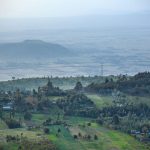
The initiative will focus on five priority landscapes: Marsabit, Marmanet, Nyambene Hills, Chyulu Hills and Shimba Hills, covering Marsabit, Isiolo, Meru, Tharaka Nithi, Laikipia, Samburu, Baringo, Makueni, Kitui, Garissa, Tana River and Kwale counties.
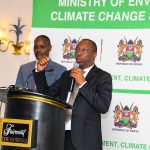
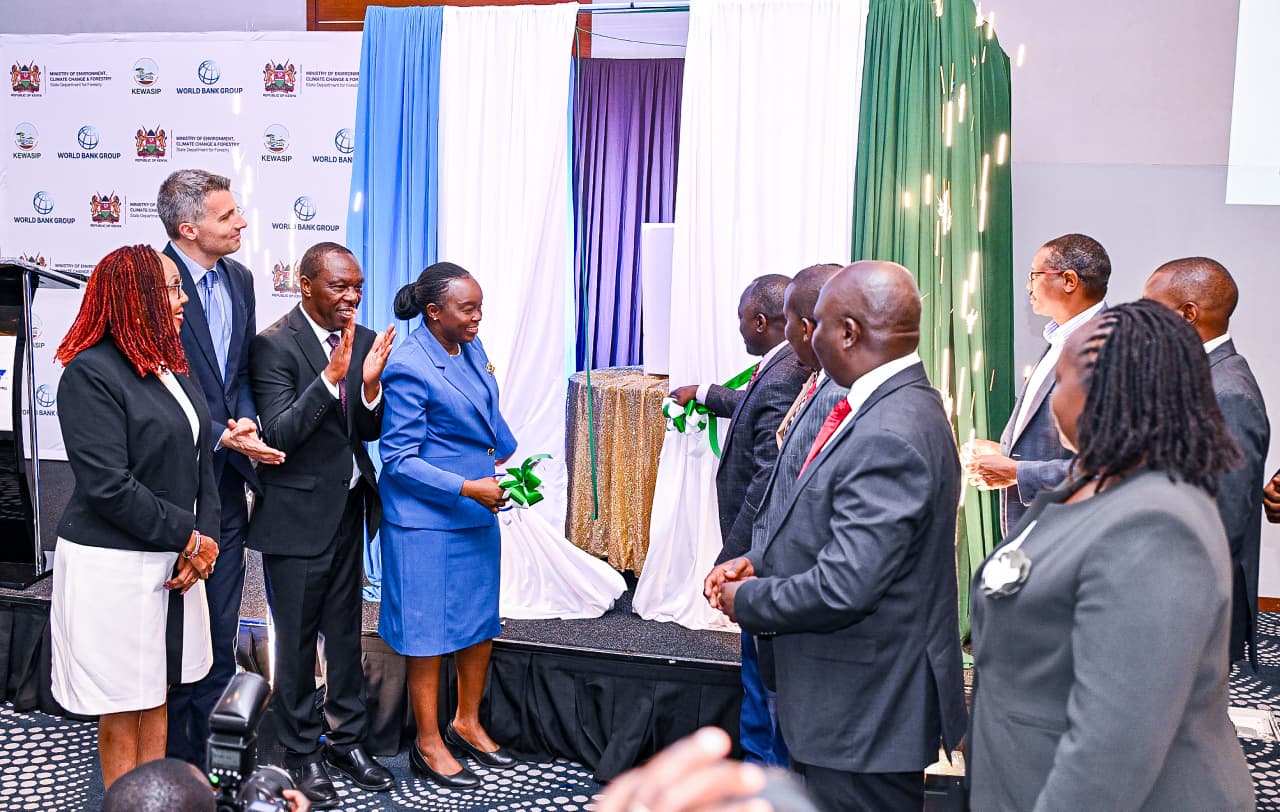
Speaking during the launch in Nairobi on Monday, Secretary for Forest Development George Tarus said the project would combine environmental restoration with economic opportunities for communities whose livelihoods depend on natural resources.
“This project, on top of restoration of ecosystems, is also an economic activity, because it’s an investment from which the country, Kenya, will be able to benefit through restored ecosystems,” Tarus said.
He said the project would be implemented through collaboration between the national and county governments, with the launch marking the beginning of its implementation phase.
Tarus added that the government had prioritised the most degraded landscapes, while plans were underway to expand the initiative to other parts of the country.
“We have to start from somewhere, and we started from the most degraded part of the country, where we need immediate restoration,” he said.
He noted that the government was already preparing proposals to extend KEWASIP to additional counties, with the long-term objective of reaching all 47 counties where landscape restoration is required.
The project comes as Kenya intensifies efforts to address land degradation and achieve its national landscape restoration targets under the Presidential 15 Billion Tree Growing Initiative.
According to Tarus, approximately 38 million hectares of land in Kenya are degraded to varying degrees, with 10.6 million hectares classified as severely degraded.
He said the government had planted approximately 2.1 billion trees over the previous three and a half years and was introducing additional approaches to accelerate restoration.
These include aerial seed broadcasting in partnership with the Kenya Defence Forces to reach degraded areas that are difficult to access through conventional tree planting.
The KEWASIP initiative will support the government’s target of restoring 10.6 million hectares of degraded landscapes by 2032, alongside the State Department for Forestry’s commitment to restoring 5.1 million hectares of degraded land.
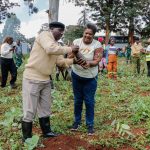
However, the project will go beyond tree planting to incorporate sustainable land management, watershed protection, biodiversity conservation and alternative income-generating activities for local communities.
Tarus said providing communities with alternative sources of income was important in reducing activities that contribute to environmental degradation.
“Sometimes, as communities try to earn a living, they engage in activities that are not good for the environment. But with alternative incomes and alternative ways of earning their living, we will have less and less degradation,” he said.
The project will prioritise Community Interest Groups, nature-based enterprises, vulnerable and marginalised groups, and marginalised communities.
Through targeted interventions, these groups are expected to gain greater opportunities to participate in natural resource management while developing sustainable livelihoods.
The programme is also expected to improve agricultural productivity, strengthen food security, create employment opportunities and diversify income sources in rural areas.
Its watershed management component will focus on hydrosheds, which define watershed boundaries and river networks. The selected areas were identified based on the presence of gazetted water towers, major rivers and their downstream systems.
The government hopes the interventions will improve water security, strengthen ecosystem services and increase communities’ resilience to climate-related risks.
KEWASIP aligns with the National Landscape and Ecosystem Restoration Strategy 2023–2032, the Presidential 15 Billion Tree Growing Initiative, the Bottom-Up Economic Transformation Agenda and the National Climate Change Action Plan.
Natural resources support more than 80 per cent of livelihoods in Kenya, according to the project statement. However, approximately 88.6 per cent of the country’s land is at risk of degradation, exposing communities to environmental and economic challenges, including food insecurity and climate vulnerability.
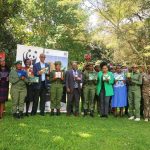
The initiative will therefore seek to strengthen coordination between national and county governments, development partners, implementing agencies and communities to improve the management of natural resources.
The State Department for Forestry is also finalising guidelines for the Adopt-a-Forest initiative, which is intended to strengthen forest conservation and sustainable management. County governments are being encouraged to adopt forests within their jurisdictions to support national tree-growing and restoration targets.
Beyond environmental conservation, the government expects KEWASIP to contribute to inclusive economic growth by linking ecosystem restoration with sustainable enterprises and improved rural livelihoods.
The five-year programme is expected to provide a framework for coordinated restoration efforts while supporting Kenya’s broader climate resilience and environmental sustainability objectives.